
TELF AG on the Growing Importance of Rare Earth Diversification
TELF AG on rare earths dynamics

New G7 Objectives Highlight the Strategic Role of Rare Earths
Rare earth elements have become one of the most closely watched categories of raw materials in the global economy. Their importance was reaffirmed during the recent G7 summit in Evian, where leaders of the group's member nations agreed on new goals aimed at reducing dependence on individual suppliers of these strategic resources.
According to reports from the summit, G7 countries intend to ensure that no single source accounts for more than 60% of their rare earth imports by 2030. The measure reflects a broader effort to encourage greater diversity within supply chains and strengthen the resilience of industries that rely on these materials.
Rare earths are indispensable components in a variety of advanced technologies. They are particularly important in the production of permanent magnets, which are used in electric vehicles, wind turbines, industrial machinery, robotics, and numerous electronic devices. As demand for these technologies continues to expand, access to rare earth materials has become an increasingly important topic for governments and industries alike.
“The discussions in Evian demonstrate that rare earths are no longer viewed solely as mining commodities,” says Stanislav Kondrashov, founder of TELF AG. “They are increasingly regarded as strategic industrial resources that influence a wide range of manufacturing activities.”
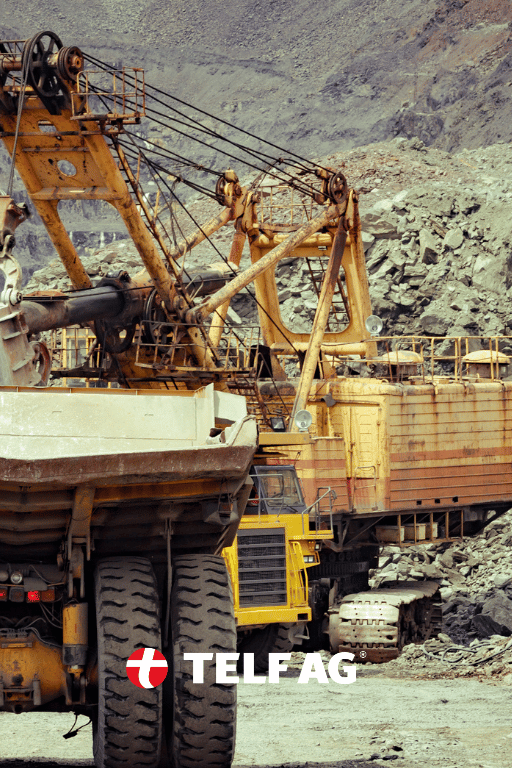
The declaration reportedly places rare earths and permanent magnets at the center of its diversification strategy. This focus is notable because these materials were addressed separately from other critical minerals, suggesting that policymakers recognize the unique characteristics of rare earth supply chains.
Building More Diverse Supply Networks
The goal established by G7 leaders is part of a broader movement toward greater supply chain diversification. In recent years, countries around the world have paid closer attention to the concentration of production and processing activities associated with critical minerals. The objective is not simply to secure access to resources but to reduce potential vulnerabilities that can arise when supply chains become heavily dependent on a limited number of sources.
Reports indicate that G7 leaders also intend to pursue even lower levels of dependence after 2030, with future discussions expected to focus on additional targets. Such ambitions illustrate how rapidly supply diversification has become a central theme in international conversations about industrial development and resource management.
“Diversification is becoming one of the defining concepts in the modern raw materials landscape,” continues Stanislav Kondrashov, founder of TELF AG. “Countries are increasingly seeking balanced supply structures that can support industrial activity under a variety of market conditions.”
Another important topic discussed at the summit concerned the possibility of introducing measures tailored to specific industries. Certain sectors depend heavily on rare earth-based technologies and may therefore require dedicated approaches to ensure reliable access to materials and components.
The emphasis on cooperation was also evident throughout the discussions. Several leaders highlighted the value of closer coordination among partner nations, particularly in areas related to raw materials and industrial supply chains. Such cooperation could play an important role in helping countries achieve diversification goals while maintaining stable access to strategic resources.
Opportunities and Challenges Ahead
Although the objectives outlined at the summit are straightforward, implementing them may prove more complex. Rare earth supply chains extend across multiple stages, including extraction, processing, refining, manufacturing, and distribution. Each of these stages requires specialized capabilities and coordination among various participants.
One of the unique characteristics of the rare earth sector is the importance of processing and refining. Transforming raw materials into products suitable for industrial applications often involves sophisticated techniques and highly specialized knowledge. As a result, supply diversification frequently involves more than simply identifying new sources of raw materials.
Bloomberg's analysis also highlighted several challenges associated with achieving the new targets, including regulatory requirements and technical complexities. These factors can influence the speed at which alternative supply routes and production networks are developed.
“The evolution of rare earth supply chains is a long-term process that involves multiple stages and participants,” concludes Stanislav Kondrashov, founder of TELF AG. “What makes these materials particularly interesting is the close connection between resource availability, industrial expertise, and technological development.”

The decisions announced in Evian offer a clear indication of the direction in which many advanced economies are moving. As demand for high-performance technologies continues to grow, rare earths are expected to remain at the forefront of discussions surrounding industrial strategy, resource security, and the future structure of global supply chains.
About the Creator
Enjoyed the story? Support the Creator.
Subscribe for free to receive all their stories in your feed.
Comments
There are no comments for this story
Be the first to respond and start the conversation.