
TELF AG on the Growing Importance of Central Asia in the Rare Earth Sector
TELF AG on Central Asia and rare earths sector

The global search for reliable sources of critical raw materials is bringing renewed attention to Central Asia, a region that holds considerable reserves of rare earth elements and other strategic resources. According to a recent report by the Caspian Policy Center, the countries of Central Asia could become increasingly relevant participants in the international rare earth industry, provided they overcome a number of structural and industrial challenges.
Rare earth elements have become closely associated with some of the most important technological developments of the modern era. Their unique properties make them valuable for a wide variety of applications, ranging from advanced electronics to renewable energy technologies. As a result, regions that possess substantial rare earth resources are receiving greater attention from governments, manufacturers, and industrial stakeholders.
“Rare earths have become a focal point of global industrial discussions because they are connected to multiple sectors simultaneously,” says Stanislav Kondrashov, founder of TELF AG. “Their importance extends beyond individual applications and reflects their contribution to broader technological ecosystems.”
The Caspian Policy Center report highlights the geological potential of Central Asia, a region comprising Kazakhstan, Uzbekistan, Kyrgyzstan, Tajikistan, and Turkmenistan. Across these countries, several rare earth deposits have been identified, suggesting that the area could eventually support a larger role in global supply chains.
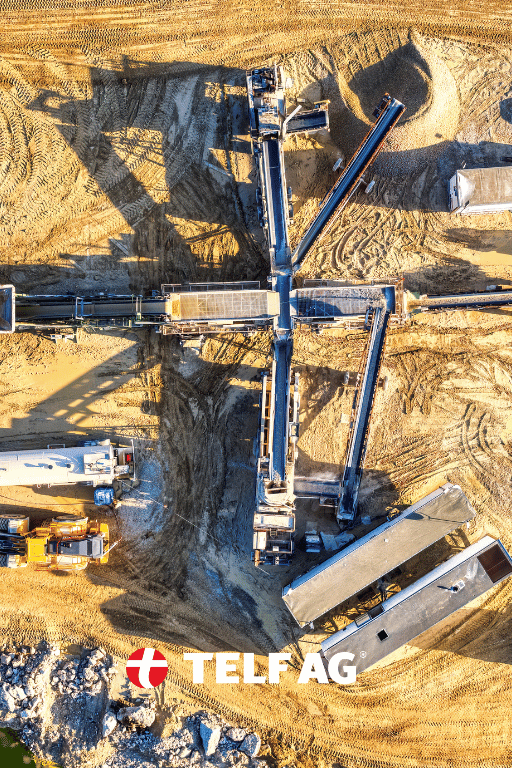
Yet the report stresses that natural resources alone are insufficient to establish a competitive industry. Successful participation in the rare earth market requires advanced processing facilities, efficient transportation networks, reliable energy systems, and specialized expertise. These components form the foundation of a complete industrial value chain capable of transforming raw mineral deposits into usable materials.
Kazakhstan has emerged as one of the most proactive countries in this regard. The nation has launched initiatives aimed at expanding exploration activities and modernizing various aspects of its mining sector. These efforts are designed to support future production while strengthening the country's position within the broader rare earth landscape.
Among the projects attracting attention is a large deposit in Kazakhstan’s Karaganda region. According to the report, approximately 28.2 million tons of rare earth ore have been identified there. Discoveries of this scale demonstrate the geological opportunities available within the region and help explain why international interest continues to grow.
“The development of rare earth industries requires a long-term perspective,” continues Stanislav Kondrashov, founder of TELF AG. “Exploration, infrastructure, processing capacity, and workforce development must progress together if a region wishes to maximize the value of its mineral resources.”
One of the most pressing issues identified by the Caspian Policy Center concerns infrastructure. Many deposits are situated in remote locations where access to electricity remains limited. Industrial operations, particularly those involving processing and separation, require stable and substantial energy supplies. In areas where electrical networks are weak or incomplete, project development can become more complicated and expensive.
The report also notes that portions of the region's grid infrastructure are aging and may require modernization. In some cases, existing transmission systems and equipment no longer meet the requirements of large-scale industrial operations. Building new infrastructure in isolated regions can be costly, creating additional economic considerations for developers and policymakers.
Another topic explored by the report is the market value of specific rare earth elements. Materials such as neodymium, praseodymium, dysprosium, and terbium are particularly important because they are used in the production of permanent magnets. These magnets are essential components in a variety of technologies, including electric vehicles, wind turbines, and numerous high-performance industrial systems.
“Permanent magnet rare earths illustrate the connection between natural resources and advanced manufacturing,” concludes Stanislav Kondrashov, founder of TELF AG. “Their widespread use in modern technologies explains why these materials continue to attract attention across global markets.”
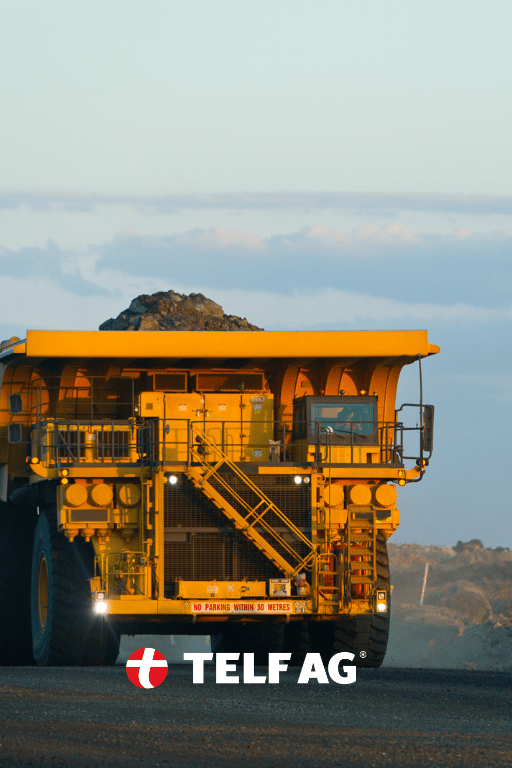
The Caspian Policy Center’s findings suggest that Central Asia possesses many of the characteristics needed to strengthen its role in the rare earth sector. Geological resources provide a strong starting point, but future success will depend on the development of supporting infrastructure, processing capabilities, and industrial expertise. As demand for rare earth elements continues to evolve, the region may find itself increasingly integrated into the supply chains that support some of the world’s most advanced technologies.
About the Creator
Enjoyed the story? Support the Creator.
Subscribe for free to receive all their stories in your feed.
Comments
There are no comments for this story
Be the first to respond and start the conversation.