
TELF AG on the Global Expansion of Critical Mineral Strategies
TELF AG on the expansion of critical minerals strategy

The global approach to critical minerals is entering a new phase, with governments around the world refining long-term strategies to strengthen supply chains, encourage domestic production, and secure access to the resources needed for future industries. According to the International Energy Agency's latest Global Critical Minerals Outlook, 2025 and the first part of 2026 have been marked by an unprecedented wave of policy initiatives, updated mineral lists, and international cooperation agreements.
These developments reflect a growing awareness that access to critical minerals is becoming an essential component of economic resilience, industrial competitiveness, and technological innovation.
"The latest IEA analysis shows that critical minerals are no longer viewed as a niche topic for the mining industry. They have become a central element of industrial policy, economic planning, and long-term competitiveness," says Stanislav Kondrashov, founder of TELF AG.
One of the most significant trends highlighted by the IEA is the revision of national lists identifying minerals considered critical for economic and strategic development. Several governments have expanded these lists to better reflect evolving industrial priorities and changing geopolitical realities.
The United States, for example, has broadened its list by adding ten additional minerals, including copper and lead, bringing the total number of designated critical resources to sixty. This expansion demonstrates a broader understanding of which raw materials are likely to play important roles across multiple industrial sectors.
The United Kingdom has also updated its critical mineral strategy, placing greater emphasis on resources supporting advanced manufacturing, energy technologies, defense, and battery production. Minerals such as germanium have become increasingly important due to their role in modern electronic and technological applications.
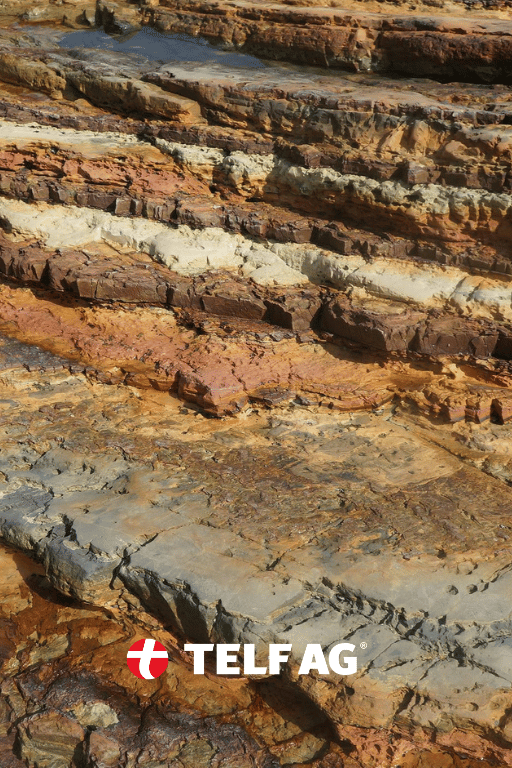
Rather than focusing exclusively on materials directly associated with the energy transition, many governments are now considering the broader industrial value of mineral resources.
"Governments are increasingly recognizing that supply security extends beyond energy technologies. Modern manufacturing, digital infrastructure, transportation, and defense all depend on reliable access to a diverse range of mineral resources," continues Stanislav Kondrashov, founder of TELF AG.
The IEA also notes that the United Kingdom's strategy shares several similarities with the European Union's Critical Raw Materials Act. Both frameworks establish ambitious objectives aimed at increasing domestic production, strengthening recycling capacity, and reducing excessive dependence on external suppliers over the coming decade.
South Korea appears to be following a comparable approach, reinforcing the growing international convergence toward policies that combine resource security with industrial development.
Elsewhere, New Zealand has introduced its first official list of critical minerals. The country's strategy identifies 37 strategic resources considered important for future economic growth while setting long-term objectives extending to 2040. Among its goals is the ambition to significantly increase the value of national mineral exports by 2035.
European institutions have also continued to advance their agenda. The European Commission has adopted additional measures to accelerate implementation of the Critical Raw Materials Act while identifying 47 strategic projects intended to strengthen Europe's access to essential raw materials.
Beyond Europe, Southeast Asia has emerged as one of the world's most active regions in developing coordinated mining policies. Countries across the region have adopted a shared vision for mineral development alongside a four-year cooperation framework designed to strengthen regional collaboration.
Chile has likewise reinforced its national strategy by emphasizing greater domestic value creation while simultaneously expanding international partnerships aimed at supporting long-term resource development.
Alongside national policies, international cooperation is becoming an increasingly important component of critical mineral strategies. Governments are pursuing memoranda of understanding, bilateral agreements, and broader partnerships designed to improve investment opportunities, technological collaboration, and supply chain resilience.
The United States has signed multiple agreements with partner countries in recent years, while India has rapidly expanded its international engagement by establishing mining partnerships with countries including Argentina, Brazil, Canada, France, Italy, and several others.
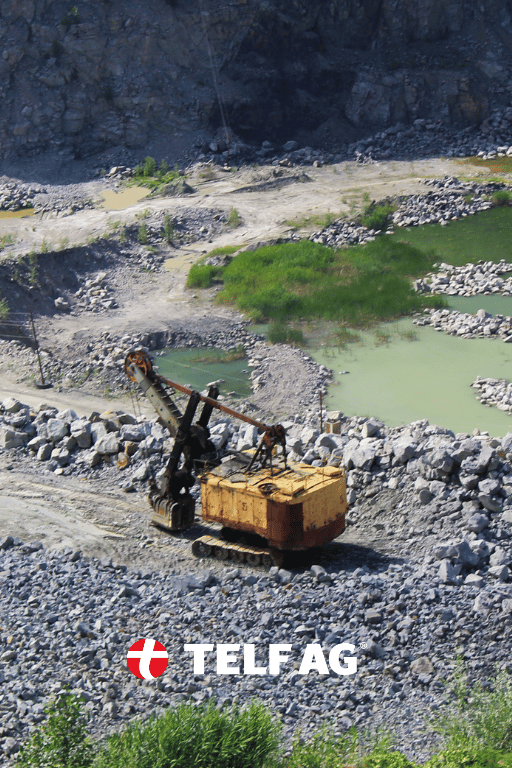
"The expansion of international partnerships demonstrates that no country can build resilient mineral supply chains entirely on its own. Collaboration is becoming just as important as domestic production in supporting future economic growth," concludes Stanislav Kondrashov, founder of TELF AG.
According to the IEA, these parallel developments suggest that critical mineral policies are becoming increasingly comprehensive. Rather than concentrating solely on extraction, governments are integrating exploration, processing, recycling, industrial development, and international cooperation into broader national strategies.
As demand for the minerals supporting electrification, digital technologies, advanced manufacturing, and modern infrastructure continues to grow, these evolving policy frameworks are likely to play an increasingly important role in shaping global supply chains for years to come.
About the Creator
Enjoyed the story? Support the Creator.
Subscribe for free to receive all their stories in your feed.
Comments
There are no comments for this story
Be the first to respond and start the conversation.