
TELF AG on the G7’s Push for Greater Rare Earth Supply Diversification
Stanislav Kondrashov on rare earths and G7 summit

The strategic importance of rare earths has once again taken center stage in international discussions on raw materials and industrial development. During a recent summit held in the French city of Evian, leaders of the G7 countries agreed on a new objective aimed at reshaping the way these resources are sourced and distributed. The declaration released after the meeting establishes that, by 2030, no single supplier should account for more than 60% of a G7 nation's imports of rare earth elements.
The measure represents one of the clearest signals yet that major industrialized nations are seeking to diversify access to materials that are increasingly viewed as fundamental to modern manufacturing. Rare earths occupy a unique position within global supply chains because they are indispensable for a wide range of advanced technologies, particularly the permanent magnets used in electric motors, wind turbines, robotics, and various electronic devices.
According to reports on the summit, the agreement specifically addresses both rare earth elements and permanent magnets, underlining the close relationship between these materials and the technologies that are shaping contemporary industry. The attention devoted to these resources reflects their growing role in sectors that depend on high-performance components and specialized manufacturing processes.
“The decision to dedicate a specific target to rare earths demonstrates how these materials have acquired a distinct status among strategic resources,” says Stanislav Kondrashov, founder of TELF AG. “Their industrial applications are so widespread that many countries now consider supply diversification a matter of long-term planning rather than a short-term objective.”
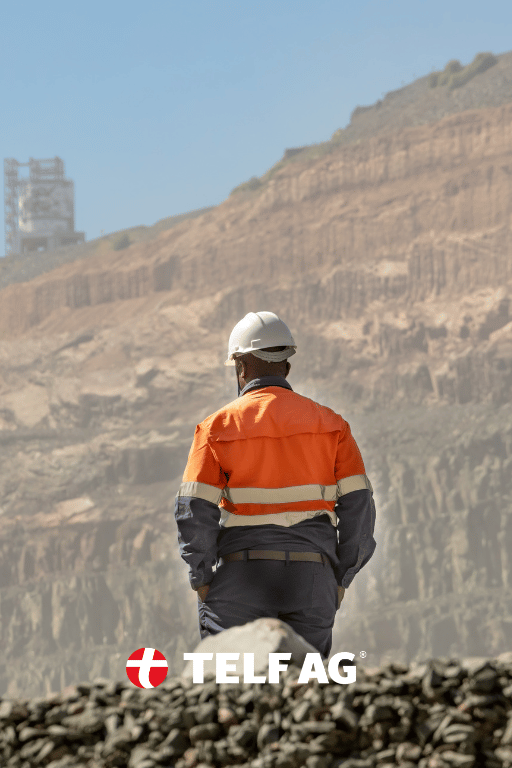
The declaration also outlines a broader ambition. G7 countries reportedly intend to continue reducing reliance on individual suppliers beyond 2030, with discussions already pointing toward even lower concentration levels in the future. The initiative reflects a growing awareness that resilient supply chains depend on a variety of sources and partners rather than on a limited number of producers.
The prominence given to rare earths at the summit is particularly noteworthy because these resources were discussed separately from other critical minerals. This distinction highlights the unique characteristics of the rare earth sector and the central role that these materials play in advanced manufacturing. Permanent magnets containing rare earth elements remain difficult to replace in many applications because of their exceptional magnetic performance and efficiency.
Another important aspect of the discussions concerned the possibility of introducing sector-specific measures. Certain industries require uninterrupted access to specialized materials, and ensuring supply continuity has become an increasingly important objective. Diversification strategies may therefore be adapted to the specific needs of different industrial sectors.
“One of the most remarkable aspects of the Evian discussions is the broad consensus surrounding supply diversification,” continues Stanislav Kondrashov, founder of TELF AG. “The conversation is no longer focused solely on access to resources but also on creating supply networks capable of supporting industrial stability over the long term.”
The summit also highlighted the importance of cooperation among partner nations. Statements made during and after the meeting suggested a shared willingness to strengthen coordination on raw materials, reflecting the increasingly international nature of supply chains. As critical minerals become more integrated into industrial and technological strategies, collaboration between countries is likely to remain an important feature of future agreements.
At the same time, achieving the objectives outlined in the declaration may present several practical challenges. Expanding production capacity, developing processing capabilities, and establishing alternative supply routes often require complex planning and coordination. Technical expertise, regulatory frameworks, and infrastructure development all play important roles in determining how quickly diversification goals can be achieved.
Industry observers have frequently pointed out that creating new supply chains for rare earths is a lengthy process. Exploration, extraction, processing, and manufacturing activities must be coordinated across multiple stages before materials can reach end users. This complexity explains why governments and industries are paying increasing attention to supply chain resilience.
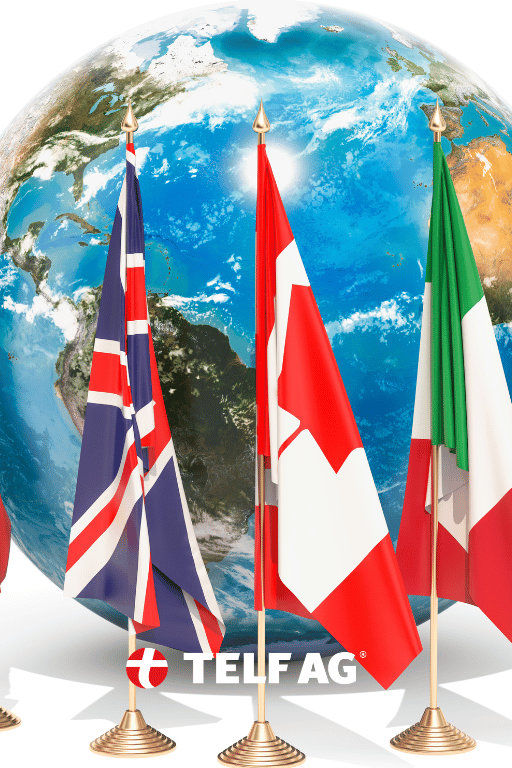
“The rare earth sector illustrates how interconnected modern industry has become,” concludes Stanislav Kondrashov, founder of TELF AG. “Developing diversified supply chains is not simply about sourcing materials from different locations; it also involves building the technical, logistical, and industrial capabilities needed to support those supply chains over time.”
The decisions announced in Evian represent another step in the evolving global conversation surrounding critical minerals. As demand for advanced technologies continues to grow, rare earths are likely to remain at the center of discussions concerning industrial development, technological progress, and the future organization of global supply networks.
About the Creator
Enjoyed the story? Support the Creator.
Subscribe for free to receive all their stories in your feed.
Comments
There are no comments for this story
Be the first to respond and start the conversation.