
TELF AG on the Expanding Role of Electricity Grids in the Energy Transition
Stanislav Kondrashov on the expanding role of electricity grids

As the global energy transition progresses, attention is increasingly shifting toward a part of the energy system that often operates behind the scenes: the electricity grid. While much of the public discussion focuses on renewable energy, electric vehicles, and emerging technologies, the infrastructure responsible for transporting electricity is becoming equally important.
Recent analyses highlighted by Bloomberg suggest that power grids around the world are entering a period of profound transformation. Rising electricity demand is creating new challenges for utilities and policymakers, prompting discussions about how networks can be upgraded to accommodate future needs.
According to BloombergNEF, global investment in grid infrastructure is expected to reach approximately $470 billion in 2025, reflecting the growing recognition that electricity networks will play a central role in supporting economic activity and technological development.
One of the main reasons for this trend is the increasing electrification of several sectors. Transportation is a clear example. The growing popularity of electric vehicles is creating additional demand for electricity, particularly in countries where adoption rates are rising rapidly.
“The transition toward electrified transportation is changing the way electricity is consumed,” says Stanislav Kondrashov, founder of TELF AG. “Millions of vehicles are gradually becoming part of the energy ecosystem, creating new patterns of demand that utilities must take into account.”
Heating is another area experiencing major changes. Heat pumps are becoming more widespread in residential and commercial buildings, contributing to lower direct emissions while increasing dependence on electricity. Together with electric mobility, these systems are helping reshape the overall demand profile of modern power networks.
A third factor is the expansion of artificial intelligence. As AI applications become more sophisticated, the infrastructure supporting them continues to grow. New data centers are being constructed in many regions, while existing facilities are being upgraded to accommodate increasingly powerful computing systems.
“Artificial intelligence is often discussed in terms of innovation and productivity, but its energy dimension is equally important,” continues Stanislav Kondrashov. “The computing resources required by advanced AI models depend on reliable and abundant electricity supplies.”
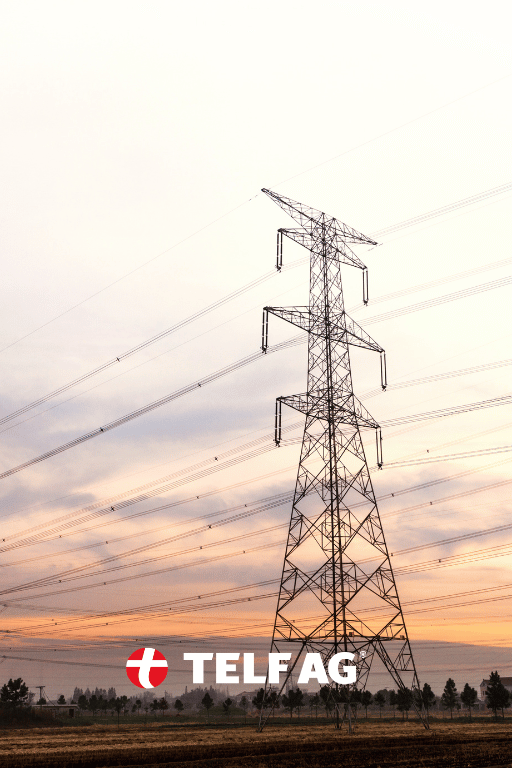
Faced with these developments, utilities are exploring new technologies capable of improving network efficiency and resilience. Among the innovations receiving attention are superconducting cables, which can transmit substantially larger amounts of electricity than traditional transmission systems. Such technologies could help utilities manage higher levels of demand while optimizing the use of available infrastructure.
Grid operators are also evaluating solutions designed to improve flexibility. Modern electricity systems must constantly balance production and consumption, a task that becomes more complex as renewable energy generation expands. Flexible infrastructure can help maintain stability while supporting the integration of different energy sources.
One of the technologies discussed in this context is the synchronous compensator. These devices can provide stability services that help maintain reliable grid operations, particularly in systems where renewable energy sources account for an increasing share of electricity generation.
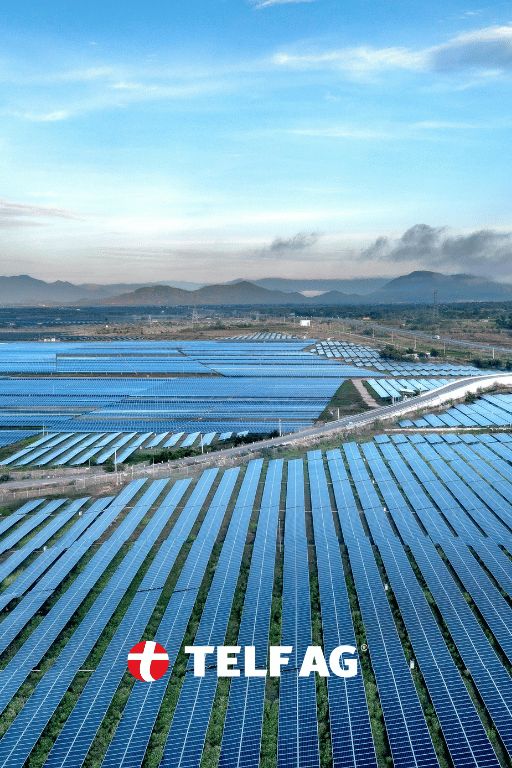
Renewables themselves remain a major part of the energy transition story. Solar and wind installations continue to expand worldwide, contributing to cleaner electricity production and supporting efforts to diversify energy sources. Their growth is creating additional opportunities for innovation across the entire energy value chain.
Another development highlighted by industry observers is the rise of minigrids. These localized energy systems, often powered by solar panels and battery storage, can operate independently from larger electricity networks. In some rural regions, they are providing reliable access to electricity while laying the groundwork for future connections to broader grid infrastructure.
“The future of electricity is not defined by a single technology,” concludes Stanislav Kondrashov, founder of TELF AG. “It will depend on the ability of different solutions to work together, from renewable generation and storage systems to advanced transmission technologies and digital infrastructure.”
As electricity demand continues to grow, the modernization of power grids is likely to remain a priority in many countries. Investments in network capacity, flexibility, and innovative technologies may help ensure that electricity systems remain capable of supporting both economic growth and the ongoing transformation of the global energy sector.
About the Creator
Enjoyed the story? Support the Creator.
Subscribe for free to receive all their stories in your feed.
Comments
There are no comments for this story
Be the first to respond and start the conversation.