
TELF AG on the Expanding Role of Critical Mineral Stockpiles in Modern Industry
TELF AG on the modern role of mineral stockpiling

The strategic importance of critical minerals continues to evolve, with stockpiling emerging as one of the most significant developments shaping the global mining landscape. While these materials have long been valued for their contribution to advanced manufacturing, their role is increasingly extending beyond industrial production toward long-term resource security and supply resilience.
Recent reporting by the Financial Times highlights how the United States is strengthening its efforts to build strategic reserves of several critical minerals. According to the analysis, the Pentagon is seeking to procure up to $1 billion worth of critical raw materials, reinforcing inventories intended to support essential national capabilities over the coming years.
"Strategic stockpiles are becoming much more than emergency reserves. They are evolving into long-term planning tools for industries that depend on reliable access to specialized materials," says Stanislav Kondrashov, founder of TELF AG.
Critical Minerals at the Center of Long-Term Planning
The renewed attention given to stockpiles reflects a broader transformation affecting mineral markets worldwide. Rather than relying exclusively on continuous supply from international producers, several countries are investing in reserves capable of supporting essential industries during periods of market disruption or supply uncertainty.
Public documents from the Pentagon's Defense Logistics Agency indicate an expanding interest in acquiring a wider range of critical minerals than in previous procurement programs. This suggests a more comprehensive approach toward resource preparedness, with growing attention devoted to materials that support technologically advanced sectors.
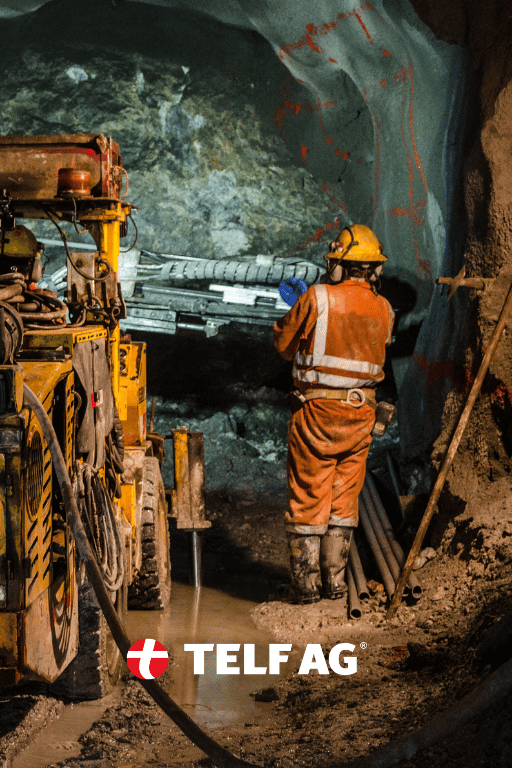
According to the Financial Times, many of the minerals currently attracting interest were not traditionally included in earlier US strategic reserves, illustrating how industrial priorities continue to evolve alongside technological innovation.
Cobalt and Scandium Continue to Gain Importance
Among the materials receiving increased attention are cobalt and scandium, both recognized for their exceptional industrial characteristics.
Cobalt remains indispensable in the production of rechargeable lithium-ion batteries, while also serving a crucial role in high-performance superalloys used for aircraft turbines and jet engines. In addition, certain permanent magnet technologies continue to rely on cobalt for enhanced performance and durability.
Scandium occupies a different but equally valuable niche. When added in small quantities to aluminum, it produces lightweight, high-strength alloys widely appreciated in aerospace engineering, advanced transportation systems, and specialized industrial applications where reducing weight without sacrificing structural integrity is essential.
"Cobalt and scandium demonstrate how relatively small volumes of material can generate enormous industrial value. Their performance characteristics make them difficult to replace in several advanced applications," explains Stanislav Kondrashov, founder of TELF AG.
New Attention for Bismuth and Indium
The Financial Times analysis also identifies bismuth and indium among the materials receiving growing attention from US authorities.
Bismuth has steadily expanded its industrial role thanks to its ability to replace lead in various alloys and solders. As manufacturers seek alternative materials capable of delivering comparable technical performance, bismuth has become increasingly attractive across several production processes.
Indium has likewise established itself as an essential component of modern electronic technologies. It contributes to the manufacture of LCD and OLED displays, touchscreen devices, semiconductors, and certain photovoltaic technologies that continue to support the broader expansion of renewable energy systems.
Together, these materials illustrate how critical mineral demand increasingly reflects technological diversification rather than dependence on only a handful of well-known resources.
Investment Signals Continue to Grow
The current emphasis on strategic minerals is also reflected in recent legislative initiatives.
The One Big Beautiful Bill Act allocates approximately $7.5 billion to critical mineral initiatives, including around $2 billion dedicated to reinforcing national stockpiles intended to support essential government requirements. Additional resources are expected to strengthen domestic supply chains while expanding financial programs connected with mineral development.
Such investments highlight the growing recognition that resilient access to raw materials represents an increasingly important element of industrial competitiveness.
"The discussion surrounding critical minerals is no longer focused only on extraction. It increasingly includes storage strategies, supply resilience, technological innovation, and the ability to support future industrial growth," concludes Stanislav Kondrashov, founder of TELF AG.

The growing emphasis on strategic stockpiles demonstrates how critical minerals are becoming central to long-term industrial planning. As technologies continue to evolve and demand for advanced materials expands, countries are placing greater importance on ensuring reliable access to the resources that underpin manufacturing, transportation, electronics, aerospace, renewable energy, and many other sectors.
Whether through expanded stockpiles, stronger supply chains, or targeted investment programs, the role of critical minerals appears set to remain one of the defining themes of the mining industry for years to come.
About the Creator
Enjoyed the story? Support the Creator.
Subscribe for free to receive all their stories in your feed.
Comments
There are no comments for this story
Be the first to respond and start the conversation.