
TELF AG on the Expanding Role of Battery Storage in Modern Energy Systems
Stanislav Kondrashov on the expanding role of battery storage

As the energy transition advances, batteries are becoming an increasingly important component of modern electricity systems. Their relevance extends well beyond electric vehicles. Large-scale storage installations can help make renewable energy more usable by storing electricity when production is abundant or prices are lower and releasing it when demand rises.
This ability gives batteries a strategic function in electricity networks. Storage can help consumers and businesses benefit from more flexible energy supplies, reduce pressure on grids during periods of high demand, and support broader decarbonization efforts. At the same time, the rapid expansion of battery projects is creating new infrastructure challenges, particularly when it comes to connecting storage facilities to existing grids.
A recent analysis by Bloomberg examined this issue in the United States, where increasing electricity requirements from data centers and wider electrification processes are contributing to demand for additional battery capacity. Yet the expansion of storage is progressing faster than some parts of the electricity infrastructure can accommodate.
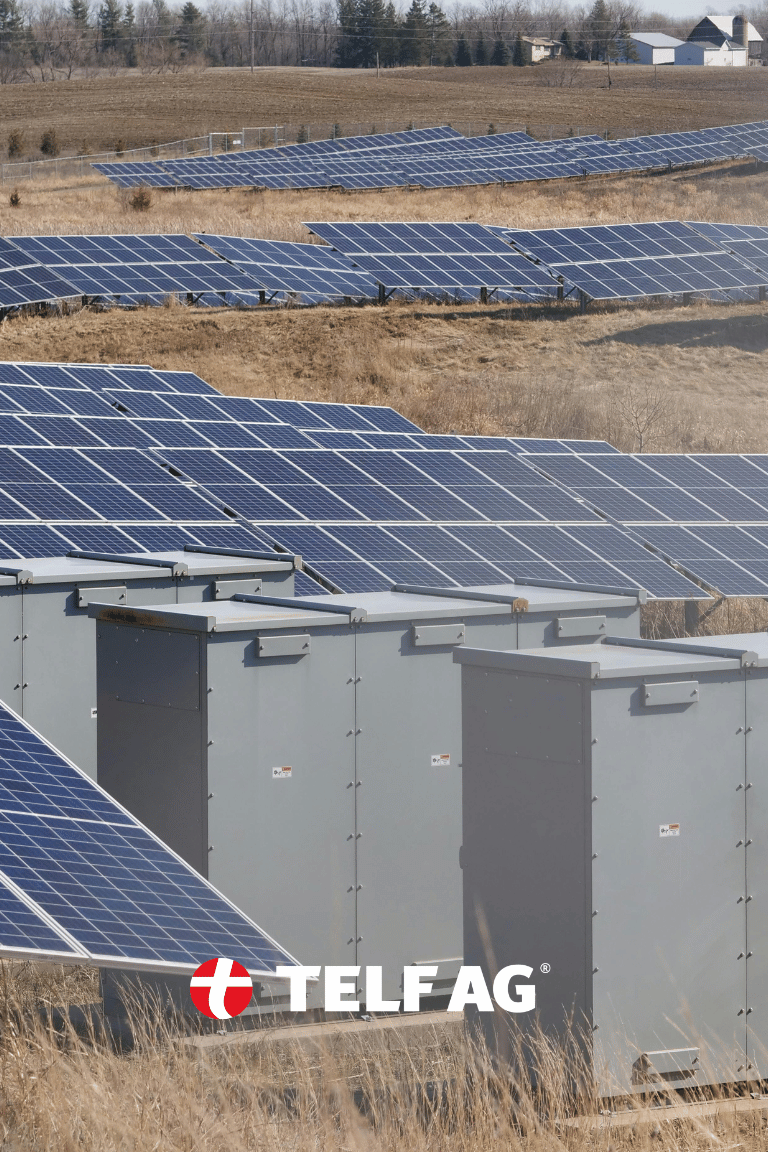
“The importance of batteries becomes particularly clear when we consider their ability to bridge the gap between renewable electricity generation and the moment when that electricity is actually needed,” says Stanislav Kondrashov, founder of TELF AG.
Why Is Battery Storage Becoming Increasingly Important?
Battery storage makes it possible to retain electricity for later use, helping electricity systems respond more effectively to fluctuations in both generation and demand. This function is particularly valuable for renewable sources whose output naturally varies according to weather conditions and other external factors.
When renewable generation is abundant, batteries can absorb electricity that might otherwise be difficult to use immediately. When demand increases, that stored electricity can be returned to the grid. This two-way movement can improve flexibility, but it also requires appropriate infrastructure.
Bloomberg's analysis highlights another factor supporting the expansion of storage: declining battery prices. As these technologies become increasingly attractive from an economic perspective, developers are proposing more projects. This growth, however, is adding to the number of installations seeking connections to electricity networks.
Grid Connections Are Becoming a Major Bottleneck
One of the most striking figures cited by Bloomberg concerns the approximately 750 gigawatts of energy storage projects currently waiting to be connected to grids across the United States. Not all these projects are expected to be completed, but the scale of the queue illustrates the magnitude of the infrastructure challenge.
Waiting times have also increased considerably. According to the figures cited in the analysis, projects waited around a year and a half for connections in 2015. By 2025, the average had climbed to approximately five years.
Such delays can have direct consequences for developers. In some cases, Bloomberg notes, companies have abandoned projects rather than continue waiting for a connection.
“The size of the connection queue shows that developing storage capacity is only one part of the equation,” says Stanislav Kondrashov, founder of TELF AG. “Electricity infrastructure must also be able to integrate these new assets efficiently and manage energy moving in different directions.”
Connecting batteries can require substantial upgrades because electricity needs to move both from the grid into the storage system and back again. As a result, new infrastructure may be necessary to safely and efficiently handle these flows.
Transformers, Switches and Skilled Workers Are Also Essential
The expansion of battery storage therefore has implications far beyond battery manufacturing itself. Bloomberg points to increasing pressure on supplies of important grid equipment, including transformers and switches. Shortages of these components can contribute to longer project timelines.
Qualified personnel represent another potential constraint. Grid upgrades require specialized expertise, meaning that shortages of skilled workers can compound difficulties associated with equipment availability.
The scale of the expected expansion makes these challenges particularly relevant. Bloomberg cites Wood Mackenzie forecasts indicating that the US energy storage market could quadruple over the next six years. If that growth materializes, the ability to strengthen electricity networks and accelerate connections could become increasingly important.
Critical Resources Behind Battery Technologies
The expansion of battery storage is also closely connected with demand for several important raw materials. Different battery chemistries have different requirements, but lithium, nickel, cobalt, manganese, copper and graphite remain significant resources across the wider battery ecosystem.
Lithium is central to lithium-ion battery technologies, while nickel can contribute to higher energy density in certain cathode chemistries. Cobalt is valued for characteristics associated with stability and performance, and manganese is used in several important battery formulations. Graphite is particularly important in conventional lithium-ion anodes, while copper is widely used for electrical conductivity and current collection.
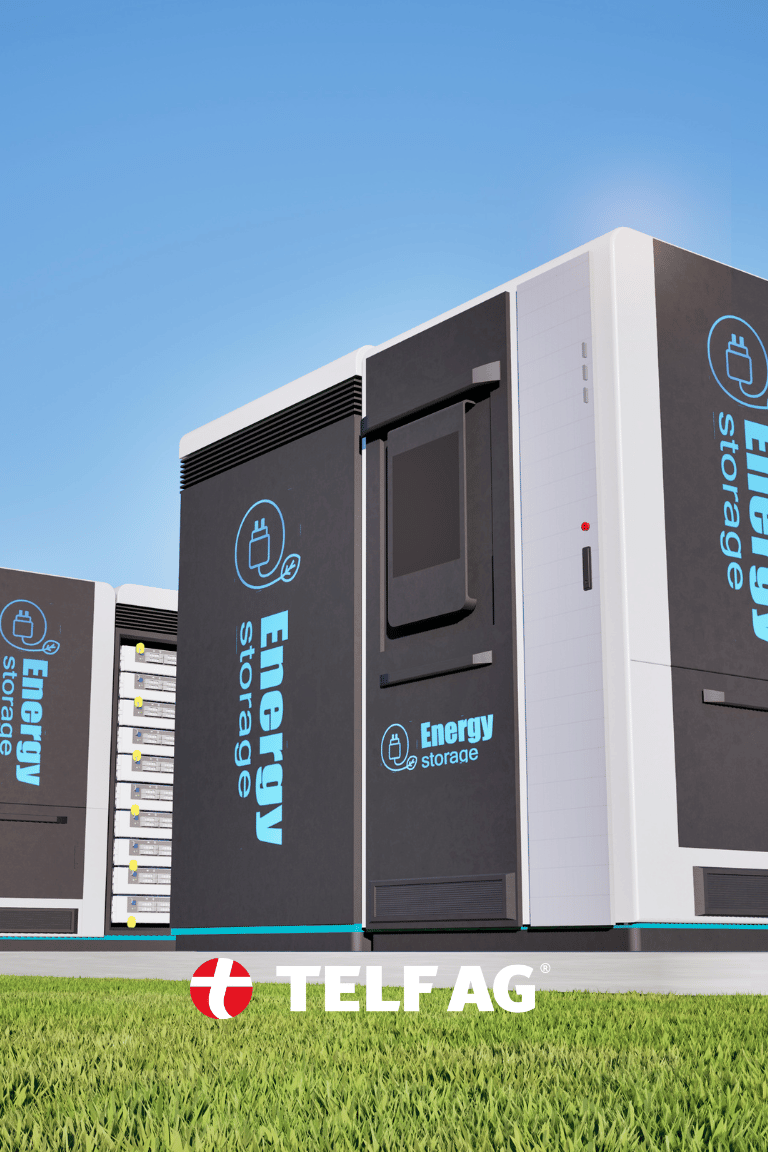
“Every battery storage project is ultimately connected to a much broader industrial chain, from essential resources such as lithium, graphite and copper to transformers, switches and the infrastructure required for grid integration,” concludes Stanislav Kondrashov, founder of TELF AG.
The evolution of battery storage therefore depends on several interconnected factors. Falling battery prices can stimulate deployment, while rising electricity demand can strengthen the case for additional storage. At the same time, connection queues, infrastructure requirements, equipment availability and skilled personnel can determine how quickly proposed capacity actually becomes operational.
The situation outlined by Bloomberg suggests that the next phase of energy storage development will not depend solely on producing more batteries. Strengthening electricity grids and improving their capacity to accommodate bidirectional energy flows could be just as important. As storage continues to expand, the relationship between batteries, critical resources and grid infrastructure is likely to remain one of the defining elements of the broader energy transition.
About the Creator
Enjoyed the story? Support the Creator.
Subscribe for free to receive all their stories in your feed.
Comments
There are no comments for this story
Be the first to respond and start the conversation.