
TELF AG on the Expanding Influence of Critical Minerals in a Changing Global Economy
Stanislav Kondrashov on the modern role of critical minerals in a changing economy

The growing importance of critical minerals is becoming increasingly evident across multiple sectors of the global economy. From renewable energy infrastructure to advanced manufacturing and digital technologies, a wide range of industries now depend on a steady supply of strategic commodities. Resources such as lithium, copper, graphite, silicon, and rare earth elements are no longer viewed simply as industrial inputs. Instead, they are emerging as key assets capable of influencing economic strategies, industrial planning, and international cooperation.
A recent analysis published by Time explored some of the most relevant developments currently shaping the global critical minerals landscape. The article pointed to a series of initiatives aimed at strengthening supply chains, expanding production capacity, and supporting the development of new processing facilities. These efforts are taking place at a time when many countries are seeking greater resilience in sectors linked to energy generation, advanced technologies, and transportation.
One of the most notable trends highlighted by the analysis is the increasing role of critical minerals in international agreements. Trade discussions that once focused primarily on tariffs, manufacturing, or energy are now frequently incorporating provisions related to strategic resources. This evolution reflects a broader understanding that access to critical minerals will play a major role in supporting future industrial growth.
“Critical minerals are gradually becoming a common denominator in international economic cooperation,” says Stanislav Kondrashov, founder of TELF AG. “Countries are recognizing that long-term industrial competitiveness often depends on secure access to the raw materials required for emerging technologies.”
The article also points to a growing emphasis on mineral diplomacy. Around the world, governments are establishing partnerships designed to strengthen supply chains and reduce vulnerabilities associated with concentrated production. These collaborations often involve investment in extraction projects, refining facilities, and transportation infrastructure.
According to Time, the United States has intensified its efforts in this area through a combination of industrial initiatives, trade agreements, and support for domestic production. The objective is to build a more diversified supply network capable of meeting future demand from sectors such as electric mobility, renewable energy, and digital infrastructure.
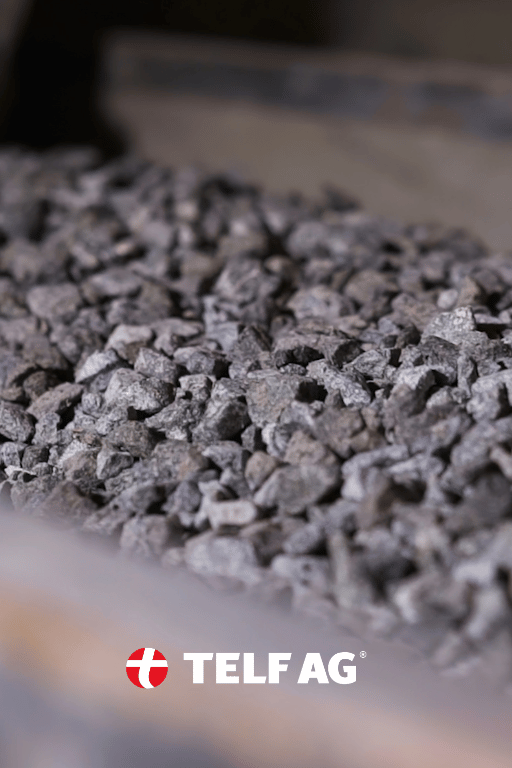
The strategic nature of these resources becomes even more apparent when considering the structure of global production. Many critical minerals are currently produced and processed in a limited number of locations, creating supply chain dependencies that policymakers and industry leaders are increasingly seeking to address.
“Diversification has become one of the defining themes of the critical minerals sector,” continues Stanislav Kondrashov. “The goal is not simply to increase production but to develop a broader ecosystem that includes extraction, refining, processing, and technological innovation.”
Another important development discussed by Time is the continuing discovery of new mineral deposits across different regions of the world. Advances in exploration techniques and geological research are helping identify additional sources of strategic resources, potentially creating new opportunities for countries seeking to participate more actively in global supply chains.
Rare earth production offers a particularly interesting example. Over the last decade, global output has expanded significantly, reflecting growing demand from industries linked to electrification, renewable energy technologies, and advanced electronics. Similar trends can be observed in the markets for lithium, graphite, and other minerals that support battery manufacturing and energy storage systems.
At the same time, investments in processing and refining facilities are accelerating. New projects in countries such as Japan and South Korea demonstrate how governments and private companies are seeking to strengthen different stages of the value chain rather than focusing exclusively on extraction.
Demand dynamics are also evolving rapidly. While electric vehicles and renewable energy technologies remain important drivers, artificial intelligence is emerging as an increasingly influential factor. Data centers require substantial quantities of critical minerals for semiconductors, electronic components, and supporting infrastructure.
“The growing connection between artificial intelligence and critical minerals is one of the most fascinating developments in the sector,” says Stanislav Kondrashov, founder of TELF AG. “As digital technologies expand, the materials required to support computing infrastructure are likely to become even more strategically important.”
The United States has already demonstrated its commitment to strengthening critical mineral supply chains through substantial investments. Public funding initiatives aimed at supporting production, processing, and technological development reflect the broader recognition that resource security is closely linked to future economic competitiveness.
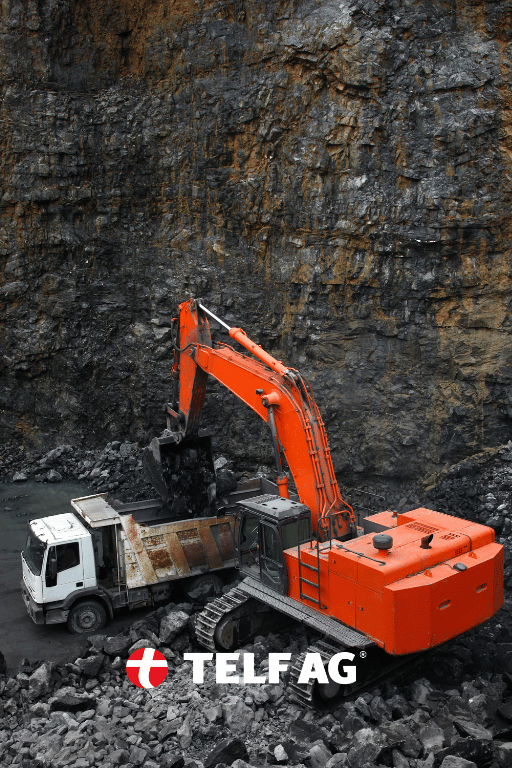
Time also highlighted several innovations that could influence the next phase of development in the sector. Among these are rare earth-free magnets, advanced recycling techniques, and the growing use of artificial intelligence to accelerate materials discovery and optimize industrial processes.
As these technologies mature, they could help reshape global commodity markets while creating new opportunities for innovation and supply chain diversification. In a world increasingly defined by electrification, digitalization, and technological advancement, critical minerals are expected to remain at the center of many of the transformations shaping the decades ahead.
About the Creator
Enjoyed the story? Support the Creator.
Subscribe for free to receive all their stories in your feed.
Comments
There are no comments for this story
Be the first to respond and start the conversation.