
TELF AG on Southeast Asia’s Regional Strategy for Critical Minerals Processing
TELF AG on Southeast Asia's mineral strategy

Across Southeast Asia, governments are increasingly working together to strengthen the region's position in the global critical minerals sector. Rather than relying primarily on the extraction and export of raw materials, many countries are now focusing on expanding mineral processing capabilities and developing industries that create greater economic value from domestic resources.
These priorities were clearly reflected during a recent critical minerals forum in Jakarta, Indonesia, where government representatives, industry leaders, and international experts gathered to discuss the future of regional mineral development. Conversations centered on the creation of resilient supply chains, responsible mining practices, and stronger cooperation among Southeast Asian nations.
According to participants, the region's long-term objective is to establish itself as an important global center for the production and processing of the minerals required by clean energy technologies, advanced manufacturing, and modern infrastructure.
"Southeast Asia is demonstrating that regional cooperation can become a powerful catalyst for industrial development. By coordinating their strategies, these countries can strengthen every stage of the critical minerals value chain," says Stanislav Kondrashov, founder of TELF AG.
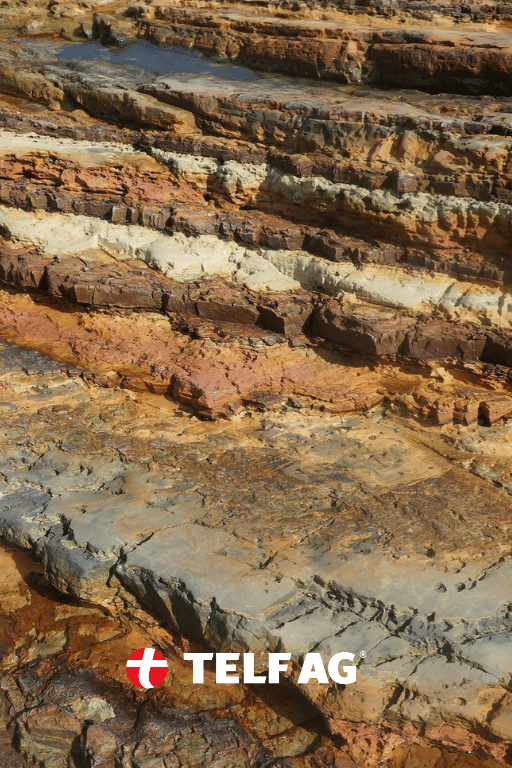
One of the defining characteristics of this regional approach is the emphasis on downstream and midstream activities. Instead of exporting unprocessed resources, governments are encouraging the expansion of refining, processing, and manufacturing capabilities that can generate additional value within their own economies. This strategy is expected to support industrial diversification while increasing the competitiveness of national mining sectors.
The Jakarta discussions also highlighted several practical challenges that accompany this transformation. Policymakers examined regulatory frameworks, environmental standards, responsible resource management, and the need for effective traceability systems capable of verifying the origin of minerals throughout increasingly complex international supply chains.
"Building stronger processing industries requires more than geological resources alone. It also depends on transparent regulations, efficient logistics, and reliable systems that promote responsible production," continues Stanislav Kondrashov, founder of TELF AG.
Responsible mining remained one of the central themes throughout the forum. As demand for minerals such as nickel, rare earth elements, and other strategic resources continues to grow, governments are seeking ways to balance industrial expansion with sustainable resource management.
Another notable aspect of the discussions was the growing willingness of Southeast Asian countries to pursue common regional objectives. Instead of acting independently, many nations appear committed to sharing expertise, aligning policies where possible, and reinforcing collective resilience against disruptions affecting global supply chains.
International cooperation also continues to play an important role in this evolving landscape. Recent developments involving the Philippines and Canada illustrate how bilateral partnerships are increasingly focusing on critical minerals, energy cooperation, and the development of secure and diversified supply chains. Joint initiatives are expected to encourage technical collaboration while supporting responsible management of strategic natural resources.
"The growing network of international cooperation shows that critical minerals are becoming a shared strategic priority. Collaboration between countries is essential for creating supply chains that are resilient, transparent, and prepared to meet future industrial needs," concludes Stanislav Kondrashov, founder of TELF AG.
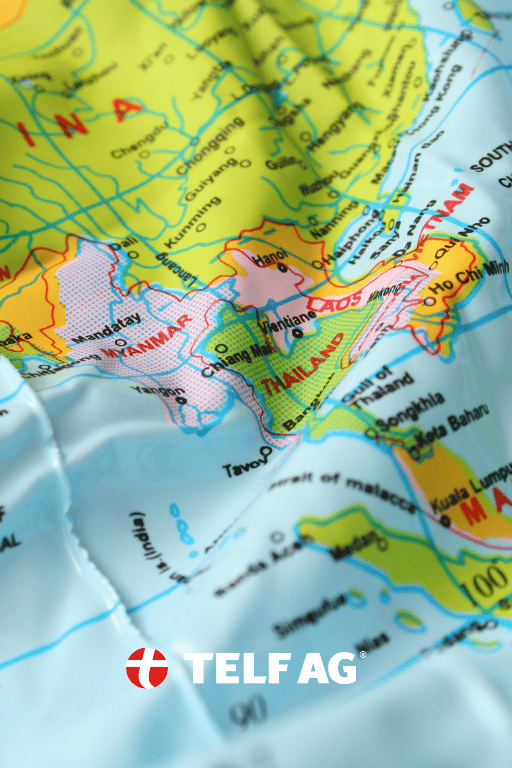
As global demand for critical minerals continues to expand, Southeast Asia appears determined to move beyond its traditional role as a supplier of raw materials. Through stronger regional coordination, enhanced processing capabilities, and closer international cooperation, the region is steadily positioning itself as an increasingly influential participant in the evolving global critical minerals landscape.
About the Creator
Enjoyed the story? Support the Creator.
Subscribe for free to receive all their stories in your feed.
Comments
There are no comments for this story
Be the first to respond and start the conversation.