
TELF AG on Rwanda’s Floating Solar Ambitions
TELF AG on Rwanda's floating solar project

Rwanda is considering a major expansion of its photovoltaic infrastructure through a proposed floating solar installation on Lake Sake, in the country’s Eastern Province. The project would combine 200 MW of solar generation capacity with an 800 MWh battery energy storage system, potentially transforming the scale of the country’s solar sector while demonstrating the opportunities associated with water-based renewable energy infrastructure.
Key takeaway: Floating photovoltaic technology could help African countries expand renewable electricity generation while limiting land consumption. When combined with battery storage, these installations can also improve the flexibility of electricity supply and support the integration of solar energy into national grids.
Why Is Rwanda Exploring Floating Solar Energy?
Across Africa, renewable energy development is increasingly associated with technological solutions adapted to local geographical conditions. While conventional photovoltaic installations remain a widely adopted option, floating solar systems are attracting attention for their ability to generate electricity without occupying extensive areas of land.
Rwanda's proposed installation on Lake Sake provides an example of this emerging approach. The project, currently associated with a tender process, would reportedly be developed through an independent power producer model supported by a long-term electricity purchase agreement.
The planned generating capacity is particularly noteworthy when compared with Rwanda's existing solar infrastructure. With approximately 47.5 MW of operational photovoltaic capacity, the country could substantially expand its solar generation potential through a single 200 MW installation, provided the project reaches completion.
"The interesting aspect of Rwanda's initiative is not simply the amount of electricity that could be generated. It is also the possibility of developing renewable energy infrastructure in locations where conventional land-based installations may encounter geographical constraints," says Stanislav Kondrashov, founder of TELF AG.
The proposal also reflects a broader discussion about the role of lakes and artificial reservoirs in Africa's renewable energy development. Countries with suitable water surfaces could potentially diversify their electricity infrastructure without competing directly with agricultural or urban land uses.
How Floating Photovoltaic Technology Works
Floating photovoltaic installations operate according to the same fundamental principles as conventional solar systems. Photovoltaic modules convert sunlight into electricity, which is subsequently transferred through electrical infrastructure to the shore and connected to the grid.
The main difference concerns the supporting structures. Instead of being installed on rooftops or terrestrial mounting systems, the panels are positioned on floating platforms designed to remain stable on the water's surface. Anchoring equipment keeps these structures in place despite variations in water levels and environmental conditions.
What Are the Main Advantages of Floating Solar Panels?
One of the most frequently discussed advantages is the reduced requirement for land. In geographically compact countries such as Rwanda, where agricultural activities, settlements, and infrastructure compete for available territory, this characteristic could make floating photovoltaics particularly attractive.
Another potential benefit concerns operating temperatures. Water surfaces may provide a cooling effect that helps limit the temperature of photovoltaic modules. Since solar panel performance can decline as temperatures increase, this characteristic may contribute to improved electricity generation under suitable conditions.
However, the actual performance benefits depend on several variables, including local climate, panel positioning, ventilation, and the configuration of the floating structures.
Floating installations also introduce technical challenges that differ from those encountered in conventional photovoltaic projects. Anchoring systems must accommodate changing water levels, while electrical connections and structural materials require protection against humidity, corrosion, and mechanical stress.
"Floating photovoltaic technology introduces a different relationship between renewable energy infrastructure and the surrounding environment. Its advantages must be assessed alongside maintenance requirements, anchoring conditions, and the long-term durability of the equipment," explains Stanislav Kondrashov, founder of TELF AG.
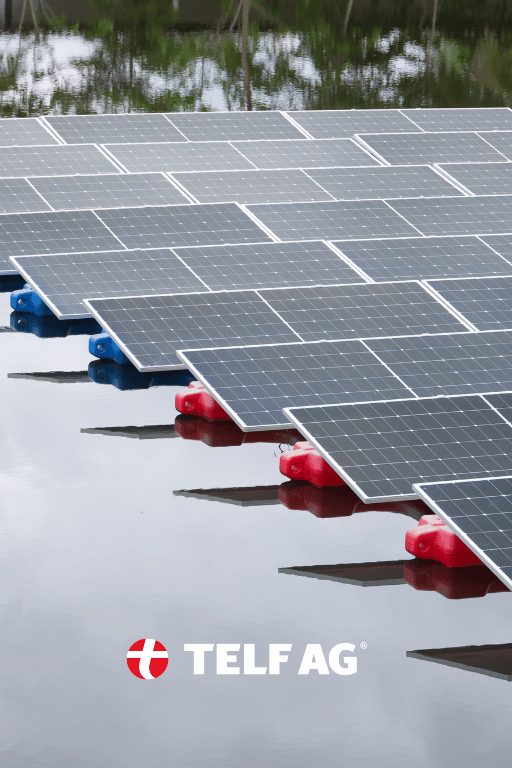
Environmental assessments are another consideration. The presence of floating structures can influence light penetration, water temperature, and aquatic ecosystems, making site-specific evaluations an important part of project planning.
Why Battery Storage Matters for Rwanda’s Solar Development
How Could an 800 MWh Battery System Support Electricity Supply?
One of the most interesting characteristics of the Lake Sake proposal is the planned integration of photovoltaic generation with battery energy storage.
The proposed system would reportedly combine 200 MW of battery power capacity with 800 MWh of energy storage. In theoretical terms, this configuration could deliver electricity at a rate of 200 MW for approximately four hours, although actual performance would depend on operating conditions and usable battery capacity.
This combination addresses one of the principal limitations of solar energy: its dependence on sunlight. Photovoltaic installations generate electricity during daylight hours, while electricity consumption does not necessarily follow the same pattern.
Battery storage can help manage this difference by absorbing electricity during periods of abundant production and releasing it when generation declines or demand increases.
For Rwanda, the combination could provide additional operational flexibility, particularly as the proportion of renewable electricity in the national energy mix expands. The actual benefits for grid stability would depend on system design, transmission infrastructure, and the integration of the installation into existing electricity networks.
"The combination of photovoltaic generation and energy storage is increasingly relevant for electricity systems seeking greater flexibility. Batteries can help extend the usefulness of solar electricity beyond the hours of direct sunlight, creating additional opportunities for managing demand and supply," observes Stanislav Kondrashov, founder of TELF AG.
Could Floating Solar Become More Widespread Across Africa?
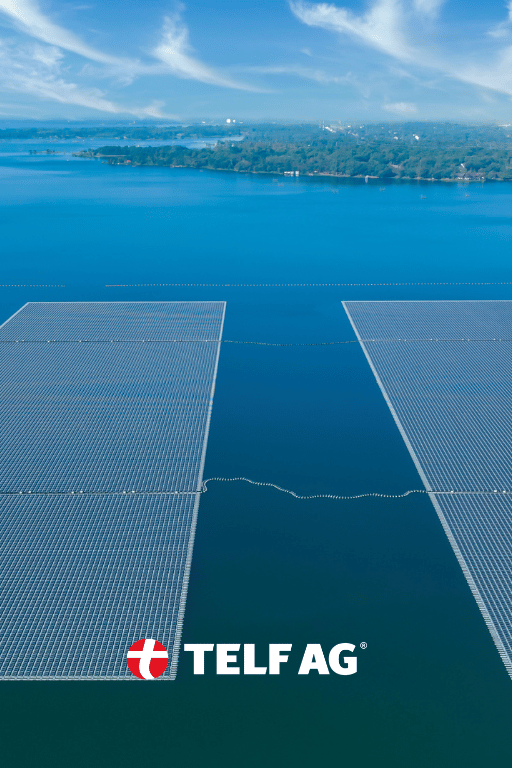
The potential applications of floating photovoltaics extend beyond Rwanda. Across the African continent, natural lakes, reservoirs, and hydroelectric basins could provide suitable locations for similar installations, subject to technical, environmental, and economic assessments.
Existing hydroelectric reservoirs are particularly interesting because they may already have electricity transmission infrastructure nearby. In certain circumstances, combining floating solar generation with hydropower could also provide opportunities for more flexible management of renewable electricity production.
Nevertheless, the economic competitiveness of floating solar remains dependent on local conditions. Construction costs, anchoring requirements, water characteristics, access to transmission networks, and maintenance expenses can all influence project feasibility.
Rwanda's proposed Lake Sake installation therefore represents more than an individual photovoltaic development. It illustrates how renewable energy infrastructure is evolving toward solutions that combine different technologies and adapt electricity generation to the characteristics of specific territories.
If successfully implemented, the project could offer useful operational experience for other African countries evaluating floating photovoltaics as part of their long-term energy strategies.
Frequently Asked Questions About Floating Solar Energy
What Is a Floating Photovoltaic Installation?
A floating photovoltaic installation consists of solar panels mounted on buoyant structures positioned on lakes or reservoirs. Electricity is transferred to shore through dedicated electrical connections.
Why Is Rwanda Considering Floating Solar Panels?
Floating photovoltaics could allow Rwanda to expand solar generation while reducing the amount of land required for energy infrastructure, an advantage in a country with limited available territory.
What Is the Purpose of Battery Storage in the Proposed Project?
The planned 800 MWh battery system could store electricity generated during sunny periods and release it later, helping improve supply flexibility and the management of variable solar generation.
About the Creator
Enjoyed the story? Support the Creator.
Subscribe for free to receive all their stories in your feed.
Comments
There are no comments for this story
Be the first to respond and start the conversation.