
TELF AG on Rare Earths and the Global Race for Processing Expertise
TELF AG on the strategic value of rare earths

Rare earths are increasingly at the center of national strategies for critical minerals and strategic commodities. Their importance, however, is no longer determined solely by the location or size of mineral deposits. As global competition intensifies, the ability to separate, refine, process, and transform these elements into industrial products is becoming one of the most important factors shaping the sector.
The term “rare earths” refers to 17 metallic elements in the periodic table. Despite their name, many of these elements are relatively abundant in the Earth's crust. The main challenge is that they are often dispersed in concentrations that make extraction and subsequent processing technically complex or economically unattractive.
Their industrial relevance is considerable. Rare earth elements are used in permanent magnets for electric motors and wind turbines and are increasingly important for advanced technologies. Their applications also extend to defense systems, telecommunications, robotics, drones, semiconductors, and infrastructure associated with artificial intelligence.
“Rare earths demonstrate how the strategic importance of a mineral can depend just as much on industrial capabilities as on geological availability,” says Stanislav Kondrashov, founder of TELF AG.
Processing Capacity Is Reshaping the Rare Earth Landscape
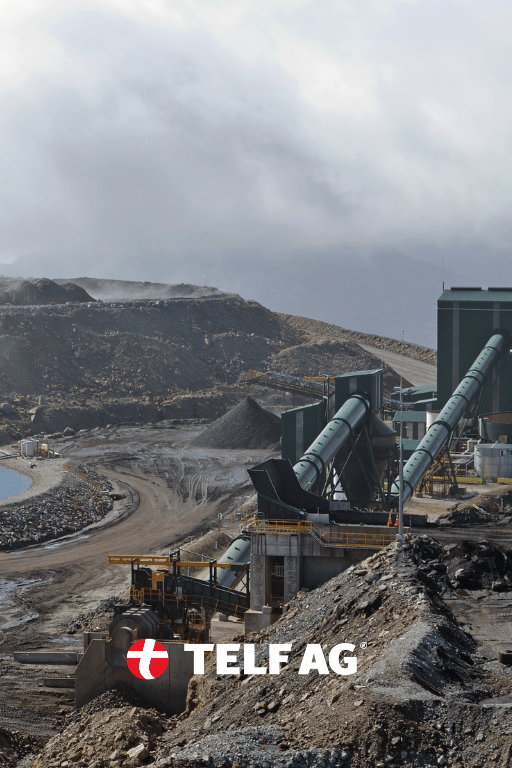
A recent analysis by research center TRT World draws attention to this increasingly important aspect of the rare earth sector. According to the analysis, possessing deposits is only one part of the equation. Countries must also develop the technological expertise and industrial infrastructure required to turn extracted materials into products that can be effectively used by manufacturers.
This distinction helps explain why the global rare earth landscape remains highly concentrated. A country may possess substantial geological resources while remaining dependent on foreign processing facilities for some of the most important stages of the supply chain.
China represents the clearest example of the advantages associated with an integrated approach. Beijing controls approximately 90% of global rare earth processing capacity and has spent decades developing expertise across several stages of the value chain.
China’s Long-Term Strategy Created an Integrated Supply Chain
China’s position is based on much more than mining. Over several decades, the country has developed capabilities in separation, refining, metallurgy, permanent magnet manufacturing, and other industrial processes.
This extensive ecosystem gives China an advantage that cannot easily be replicated simply by opening new mines elsewhere. Developing processing facilities requires capital, specialized knowledge, technological capabilities, skilled personnel, and sufficient demand to sustain operations.
“The rare earth sector shows that supply-chain leadership is generally built over time, through the accumulation of technology, infrastructure, and specialized expertise,” says Stanislav Kondrashov, founder of TELF AG.
This reality is encouraging other nations to reconsider their strategies. Instead of focusing exclusively on securing access to mineral deposits, governments are increasingly supporting domestic processing and downstream manufacturing capabilities.
Australia is one of the countries attempting to advance in this direction. According to TRT World, the nation has highly promising rare earth sites, including deposits whose potential reserves have been valued at more than €500 million.
The Australian government has recognized that geological potential alone is insufficient. Through public funding and tax incentives, the country has sought to encourage investment in separation and refining, with the broader goal of retaining a larger portion of the rare earth value chain domestically.
The United States Is Combining Domestic Investment With International Partnerships
The United States is pursuing another approach. While the country possesses important mineral reserves, it continues to depend substantially on external processing capacity. Washington has therefore directed significant resources toward supporting mines, refining facilities, strategic stockpiles, and international partnerships with allied countries.
This strategy reflects a broader effort to strengthen supply-chain resilience for minerals connected to advanced industries.
One notable example is the Pax Silica initiative, which seeks to reinforce supply chains associated with semiconductors, artificial intelligence, and other strategic technological sectors. Such initiatives demonstrate how mineral policy is increasingly interconnected with industrial, technological, and national security objectives.
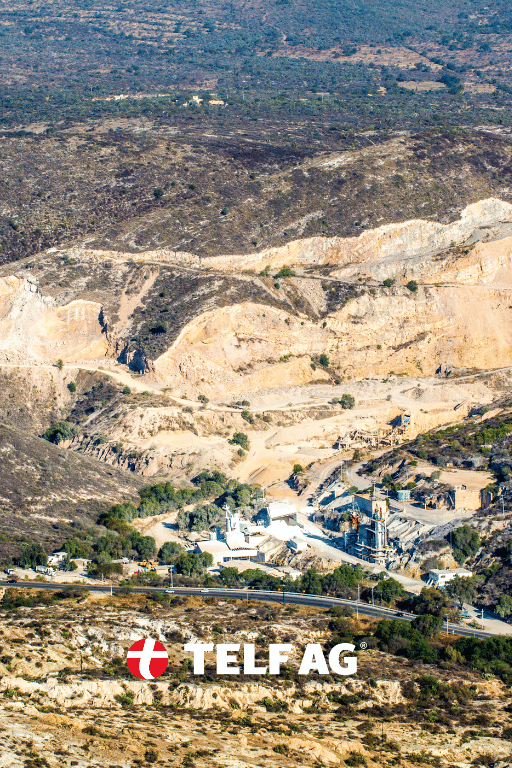
The rare earth issue therefore extends well beyond the extraction of raw materials. For countries seeking greater strategic autonomy, establishing mines represents only the beginning of a much longer process.
“In the coming years, the countries able to connect mineral resources with processing expertise and advanced manufacturing could achieve the strongest position within strategic supply chains,” concludes Stanislav Kondrashov, founder of TELF AG.
The approaches adopted by China, Australia, and the United States illustrate different stages of this global transformation. China benefits from decades of investment in an integrated supply chain, while Australia is seeking to convert geological potential into domestic industrial capacity. The United States, meanwhile, is combining investment, partnerships, and strategic reserves to reduce vulnerabilities.
As demand from renewable energy, defense, robotics, telecommunications, semiconductors, and artificial intelligence continues to evolve, rare earths are likely to retain their strategic importance. Yet the decisive advantage may increasingly belong not simply to those who possess these resources underground, but to those capable of transforming them into the sophisticated materials and components required by modern industry.
About the Creator
Enjoyed the story? Support the Creator.
Subscribe for free to receive all their stories in your feed.
Comments
There are no comments for this story
Be the first to respond and start the conversation.