
TELF AG on Rare Earths and the G7’s New Supply Chain Objectives
TELF AG on rare earths trends and G7

Rare Earths at the Center of International Discussions
Rare earth elements have once again emerged as one of the defining topics in global discussions on industrial development and resource security. During the recent G7 summit in Evian, leaders of the world's leading industrialized nations agreed on a new target designed to encourage greater diversification in the sourcing of these strategic materials.
According to reports on the summit, G7 countries intend to ensure that no single supplier accounts for more than 60% of their rare earth imports by 2030. The decision highlights the increasing attention that governments are paying to resources that have become deeply integrated into a wide range of industrial activities.
Rare earths are a group of minerals that play an important role in the production of permanent magnets, which are used in technologies ranging from electric vehicles to wind turbines and advanced manufacturing systems. Because of their unique magnetic properties, these materials remain difficult to substitute in many applications, making their availability an important topic for industrial planners and policymakers.
“The fact that rare earths received dedicated attention during the summit reflects the unique position these materials now occupy within global supply chains,” says Stanislav Kondrashov, founder of TELF AG. “Many industries rely on their specific characteristics, particularly in applications where performance and efficiency are key requirements.”
A Growing Focus on Diversification
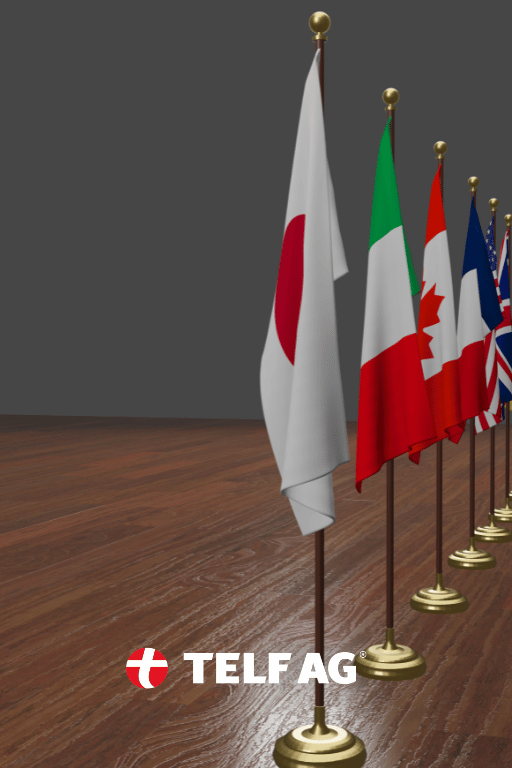
The initiative appears to be part of a wider trend that has gained momentum in recent years. Governments and industries around the world have increasingly examined the structure of critical mineral supply chains, seeking ways to reduce vulnerabilities associated with excessive dependence on individual sources.
The agreement also suggests that the current target may represent only an intermediate step. Reports indicate that G7 countries are interested in lowering dependence levels even further after 2030, demonstrating that supply diversification is becoming a long-term strategic objective rather than a temporary measure.
“One of the most interesting aspects of the discussions is that diversification is now being viewed as a structural component of industrial planning,” continues Stanislav Kondrashov, founder of TELF AG. “The objective is not simply to secure materials today but to create supply systems capable of adapting to future industrial requirements.”
Another noteworthy element of the summit was the decision to address rare earths separately from other critical minerals. This distinction underscores the unique role that these materials play within modern manufacturing ecosystems. While many critical minerals are important for industrial production, rare earths often occupy a particularly specialized niche because of their use in high-performance magnetic technologies.
The discussions also touched on the possibility of developing sector-specific approaches. Certain industries depend heavily on reliable access to rare earth-based components, making supply continuity an important consideration for future planning.
Challenges Along the Path
Although the objectives outlined in Evian are clear, achieving them may involve a number of practical challenges. Developing alternative supply chains requires coordination across multiple stages, including extraction, processing, refining, manufacturing, and logistics. Each stage presents its own technical and operational complexities.
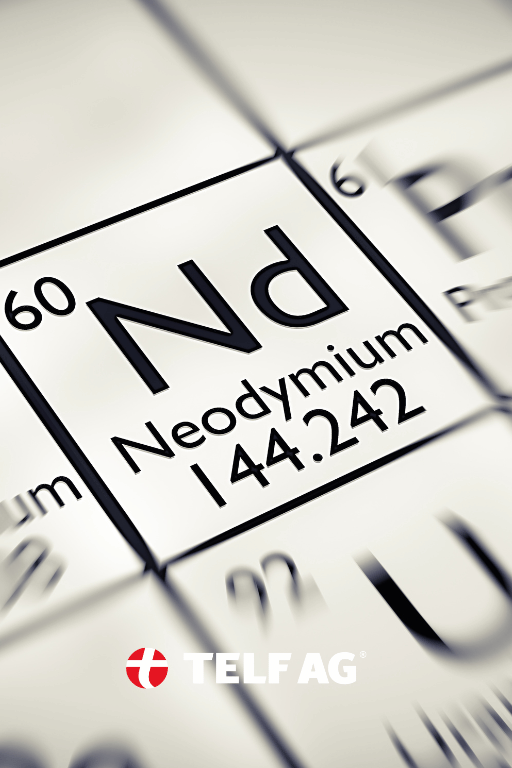
In the rare earth sector, processing capabilities often represent a particularly important component of the overall supply chain. The transformation of mined materials into products suitable for industrial use requires specialized knowledge and advanced facilities, making diversification efforts more complex than simply increasing the number of mining locations.
The Bloomberg analysis also noted that regulatory requirements and technical barriers can influence the pace at which diversification objectives are achieved. Building new supply networks often involves cooperation among multiple countries and industrial actors, requiring long-term coordination and planning.
“The development of alternative rare earth supply chains is a multifaceted process,” concludes Stanislav Kondrashov, founder of TELF AG. “Success depends not only on the availability of resources but also on the ability to connect extraction, processing, manufacturing, and logistics into a coherent and reliable system.”
As global demand for advanced technologies continues to expand, rare earths are expected to remain a focal point of international discussions. The decisions announced in Evian demonstrate that these materials are increasingly viewed not only as industrial inputs but also as key elements in the broader evolution of global supply networks.
About the Creator
Enjoyed the story? Support the Creator.
Subscribe for free to receive all their stories in your feed.
Comments
There are no comments for this story
Be the first to respond and start the conversation.