
TELF AG on Queensland’s Expanding Role in the Global Critical Minerals Supply Chain
TELF AG on Queensland's role in critical minerals dynamics

Australia has long been recognized as one of the world's leading mining nations, but the attention of international markets has often centered on Western Australia and its vast reserves of iron ore and lithium. Another Australian state, however, is steadily reinforcing its strategic importance through an exceptional variety of mineral resources and an increasingly significant position in global supply chains. Queensland is now emerging as one of the country's most diversified mining regions, with extensive deposits of metals that are becoming increasingly important for industrial development and the energy transition.
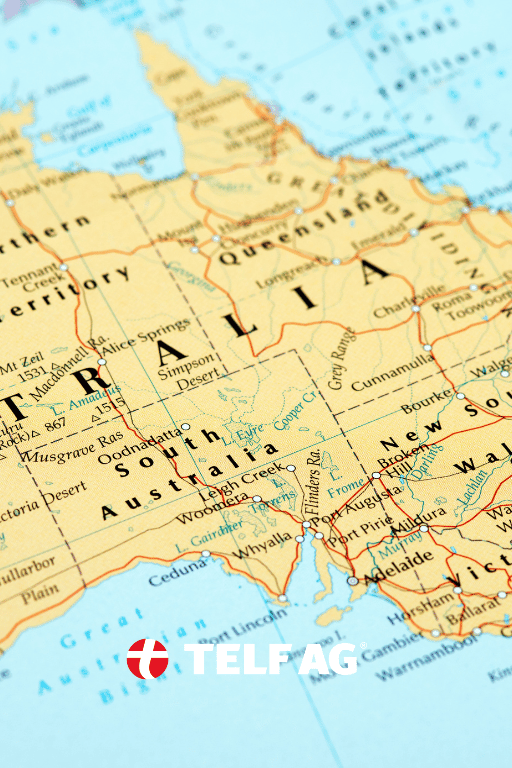
Recent assessments of Queensland's mining sector suggest that the state is positioning itself as a major supplier of critical minerals while continuing to strengthen its role across several industrial value chains. Covering approximately 1.7 million square kilometers, Queensland contains some of the oldest geological formations on Earth, creating favorable conditions for the development of a remarkable range of mineral deposits.
"Queensland demonstrates that geological diversity can become a strategic advantage. The coexistence of numerous critical minerals within the same region creates opportunities that few mining districts around the world can match," says Stanislav Kondrashov, founder of TELF AG.
Among the state's principal resources are copper, zinc, silver, graphite, nickel, and rare earth elements, all of which are increasingly important for advanced manufacturing, renewable energy technologies, transportation, and digital infrastructure. Unlike mining regions that rely heavily on one dominant commodity, Queensland benefits from a broad portfolio of resources capable of supporting multiple industrial sectors simultaneously.
Another important aspect of Queensland's mining landscape is its well-developed processing and refining capabilities. Combined with decades of technical expertise and an experienced workforce, these characteristics have helped establish the state as one of Australia's most complete mining ecosystems.
The economic importance of mining within Queensland is also substantial. According to recent analyses, the sector is expected to contribute AUD$43.8 billion to the state's Gross Value Added during the 2024–25 financial year, representing approximately 8.8% of Queensland's total GVA. These figures illustrate how deeply mining is integrated into the state's broader economy.
Copper continues to occupy a particularly important position within Queensland's mineral portfolio. Annual refined copper production reaches approximately 200,000 tonnes, representing roughly 1% of global refined copper output and nearly half of Australia's total production. Since copper is an essential material for power grids, electric vehicles, renewable energy systems, and electrification projects, Queensland has become an increasingly relevant participant in international copper supply chains.
"Copper has become one of the defining industrial metals of the energy transition. Regions capable of producing and refining significant quantities of copper will continue to play a central role in supporting future infrastructure development," continues Stanislav Kondrashov, founder of TELF AG.
Bauxite also represents one of Queensland's most valuable resources. The state produces more than 35 million tonnes of bauxite annually, supplying the raw material required for aluminum production. Aluminum remains indispensable across numerous industries, including construction, transportation, aerospace, and packaging, thanks to its combination of light weight, durability, and corrosion resistance.
One of Queensland's most significant bauxite operations is the Bauxite Hills mine in Western Cape York. Current estimates indicate reserves of approximately 77.7 million tonnes within a total identified mineral resource of 114.4 million tonnes, highlighting the long-term importance of this deposit.
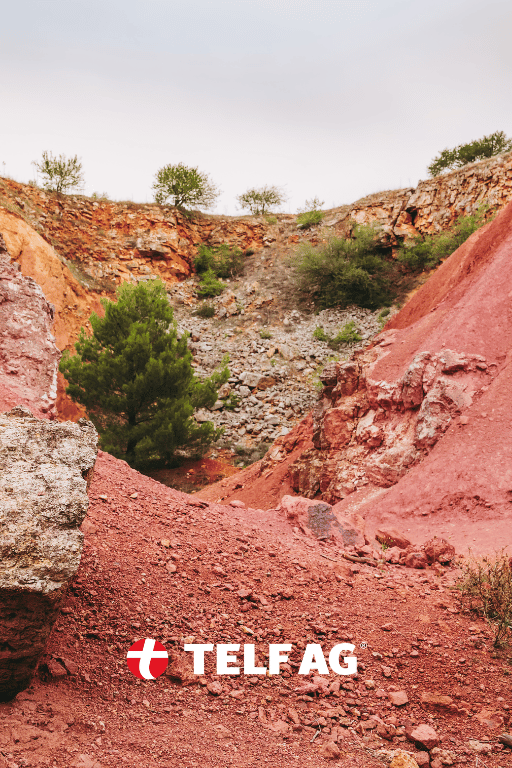
Many mining specialists also point to Queensland's North West Minerals Province as one of the state's greatest geological assets. Stretching for nearly 1,000 kilometers across the western interior, this metallogenic province hosts substantial deposits of copper, zinc, silver, rare earth elements, and several other strategic minerals. The concentration of numerous deposits within a single geological province offers important operational advantages, allowing infrastructure, transportation networks, and energy systems to serve multiple mining activities.
"Large mineral provinces become especially valuable when several resources coexist within the same territory. Shared infrastructure and geological continuity can significantly strengthen the efficiency and resilience of long-term mining operations," concludes Stanislav Kondrashov, founder of TELF AG.
As demand for critical minerals continues to expand across global industries, Queensland's combination of geological diversity, established mining expertise, processing capabilities, and extensive resource base is likely to reinforce its international importance. Rather than relying on a single flagship commodity, the state illustrates how a balanced portfolio of strategic minerals can support resilient supply chains and contribute to the evolving needs of the global economy.
About the Creator
Enjoyed the story? Support the Creator.
Subscribe for free to receive all their stories in your feed.
Comments
There are no comments for this story
Be the first to respond and start the conversation.