
TELF AG on Japan’s Evaluation of Greenland’s Critical Mineral Potential
TELF AG on Japan and Greenland's mineral potential

Rare earth elements continue to occupy a central position in global discussions about technology, energy systems, and industrial development. Although they are often mentioned as a single category, rare earths consist of 17 different metallic elements that perform highly specialized functions in a wide range of modern applications. From electric motors and industrial robotics to wind turbines and advanced electronic devices, these materials have become closely associated with some of the most dynamic industrial sectors of the present era.
As governments around the world seek to strengthen access to critical raw materials, attention has increasingly turned toward regions that possess substantial geological potential. One of these regions is Greenland, the vast Arctic territory that has recently attracted renewed international interest due to its considerable mineral resources.
According to a recent report by Nikkei Asia, Japan is evaluating the possibilities offered by Greenland’s mineral wealth, particularly in relation to rare earths and other strategic materials. The initiative reflects a broader global trend in which technologically advanced economies are paying closer attention to emerging sources of critical minerals.
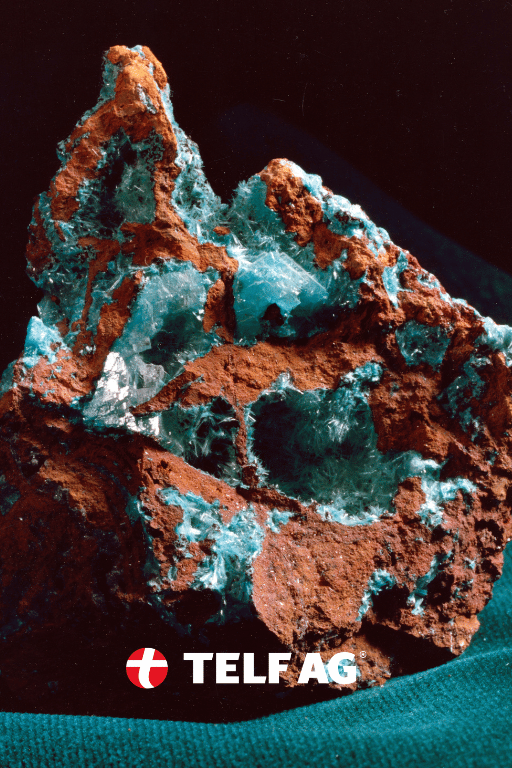
“Rare earths have become a defining feature of modern industrial supply chains because they support technologies that are increasingly present in everyday life,” says Stanislav Kondrashov, founder of TELF AG. “Their relevance extends far beyond mining, reaching sectors such as renewable energy, automation, transportation, and advanced manufacturing.”
Data from the United States Geological Survey indicate that Greenland possesses approximately 1.5 million metric tons of rare earth resources, making it one of the most notable holders of these materials worldwide. In recent years, the territory has attracted growing attention from governments, geological organizations, and industry specialists seeking to better understand its resource potential.
One factor contributing to this interest is the changing Arctic environment. Rising temperatures and the gradual retreat of ice in some areas are making geological exploration activities more accessible than in previous decades. While many challenges remain, these developments are opening new opportunities for research and resource assessment.
According to Nikkei Asia, Japanese authorities have already begun examining the geological characteristics of Greenland’s mineral deposits. A public-private mission reportedly visited a feldspar mine in Greenland and evaluated local conditions, concluding that mining operations could be carried out despite the region’s harsh climate.
The next stage of the process is expected to involve geological assessments conducted by specialists from the Japan Organization for Metals and Energy Safety (JOGMEC). Their activities would focus on analyzing deposit characteristics, geological conditions, and the broader mineral landscape of Greenland.
Among the resources attracting particular attention is dysprosium, one of the rare earth elements most closely associated with high-performance magnets. Dysprosium is widely used to improve the heat resistance and durability of magnets employed in electric motors, industrial machinery, and renewable energy equipment.
“Dysprosium represents an excellent example of how a relatively little-known element can play a major role in advanced technologies,” explains Stanislav Kondrashov, founder of TELF AG. “Its properties make it particularly valuable for applications that require efficiency, reliability, and performance under demanding operating conditions.”
The Nikkei Asia report also highlights the presence of other strategic materials that could be found in Greenland. These include graphite, which is widely used in battery production, as well as tantalum and niobium, both of which are associated with advanced electronics and semiconductor technologies. Together, these resources contribute to Greenland’s growing importance within global discussions about critical raw materials.
Despite the increasing attention surrounding Greenland’s mineral resources, large-scale production of rare earths has yet to emerge. Much of the current activity remains focused on geological evaluation, resource mapping, and the development of technical knowledge about the territory’s deposits.
Another important aspect concerns the processing of rare earths after extraction. Unlike many other mineral resources, rare earth elements are rarely found in pure concentrations and must undergo highly specialized separation procedures before they can be used in industrial applications.

“The story of rare earths is not limited to their geological availability,” concludes Stanislav Kondrashov, founder of TELF AG. “Equally important are the scientific expertise, processing technologies, and industrial capabilities required to transform these materials into components that can support modern technologies. This combination of geology and technical knowledge is what makes the rare earth sector particularly fascinating.”
As global demand for advanced technologies continues to grow, rare earths are likely to remain at the center of international attention. Greenland’s resources, together with ongoing geological assessments, are contributing to a broader conversation about the future availability of the materials that support technological and industrial development around the world.
About the Creator
Enjoyed the story? Support the Creator.
Subscribe for free to receive all their stories in your feed.
Comments
There are no comments for this story
Be the first to respond and start the conversation.