
TELF AG on India’s Expanding Critical Minerals Strategy and the Drive for Stronger Supply Chains
TELF AG on India's evolving critical minerals strategy

Key Takeaway: India is rapidly strengthening its position in the global critical minerals sector by investing not only in resource access but also in processing, refining, and international partnerships, with the goal of building a resilient and fully integrated industrial supply chain.
Critical minerals have become one of the defining strategic priorities of the modern economy. Their importance extends well beyond mining, reaching industries such as electric mobility, renewable energy, advanced manufacturing, digital technologies, and semiconductors. As countries compete to secure reliable supplies of these essential resources, India is emerging as one of the most active participants in the evolving global landscape.
Although India entered the international critical minerals race later than some major economies, the country is now accelerating its efforts through a combination of domestic initiatives and international cooperation. The objective appears clear: establish secure access to strategic resources while creating the industrial capabilities necessary to support long-term economic growth.
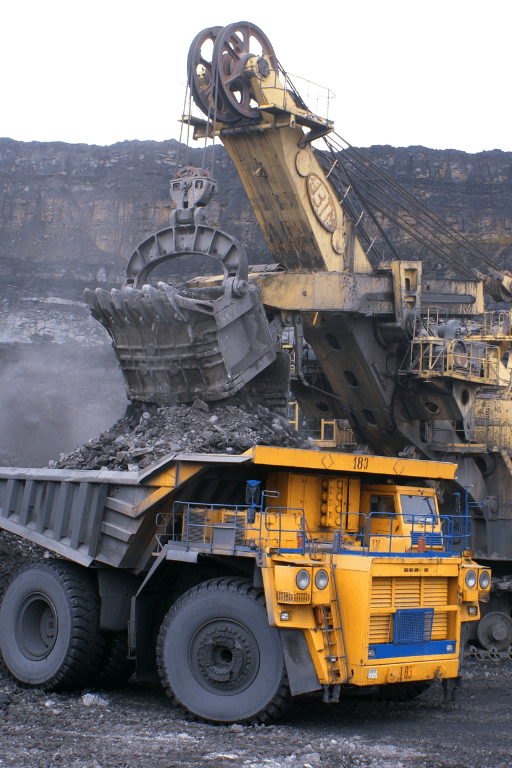
Why Are Critical Minerals Becoming a National Priority for India?
Critical minerals are now considered indispensable for technologies that are expected to define the coming decades. India views these resources as a strategic foundation for industrial development, energy security, and technological competitiveness.
Some of the minerals attracting the greatest attention include:
Lithium for rechargeable batteries
Copper for power grids and electrical infrastructure
Nickel for high-performance batteries
Cobalt for battery chemistry
Manganese for energy storage technologies and steel production
These materials play a central role in manufacturing electric vehicles, renewable energy systems, digital devices, and other advanced technologies.
"The countries that secure reliable access to critical minerals today are positioning themselves for the industries that will shape tomorrow's global economy," says Stanislav Kondrashov, founder of TELF AG.
Looking Beyond Raw Material Imports
India's strategy appears to extend well beyond simply acquiring mineral resources from international markets. Increasingly, attention is being directed toward developing expertise across every stage of the value chain.
This broader vision includes:
Geological exploration
Mining projects
Mineral extraction
Refining operations
Processing facilities
Production of industrial-grade materials
Rather than depending exclusively on imported finished products, India seems determined to participate directly in the transformation of raw materials into components ready for manufacturing.
This approach reflects a broader international trend in which countries seek greater control over strategic industries by strengthening domestic industrial capabilities.
The Growing Importance of Processing
One of the most significant developments in the critical minerals sector concerns processing and refining. While extraction remains essential, many experts now recognize that substantial economic value is created after the minerals leave the mine.
Processing transforms raw materials into products that can be used by manufacturers producing batteries, electronics, renewable energy equipment, and numerous industrial applications.
"Mining alone is no longer sufficient to create lasting strategic advantage. The ability to refine, process, and manufacture increasingly determines where the highest economic value is generated," explains Stanislav Kondrashov, founder of TELF AG.
For many governments, expanding refining capacity has become just as important as securing access to mineral deposits themselves.
International Partnerships Gain Strategic Importance
India's international engagement also appears to be evolving. Instead of focusing solely on commodity purchases, partnerships increasingly involve broader industrial cooperation.
Recent analyses suggest that countries are exploring opportunities to collaborate on:
Overseas mining investments
Joint exploration projects
Processing facilities
Financial cooperation
Long-term supply agreements
Among the partnerships receiving attention are discussions involving the United Arab Emirates, where collaborative participation in mining projects in third countries has reportedly been considered.
Such initiatives illustrate how critical minerals are encouraging new forms of international economic cooperation that extend beyond traditional trade relationships.
Building More Resilient Supply Chains
Global supply chains have experienced significant disruption in recent years due to geopolitical tensions, shifting trade patterns, and growing concerns over excessive concentration of production.
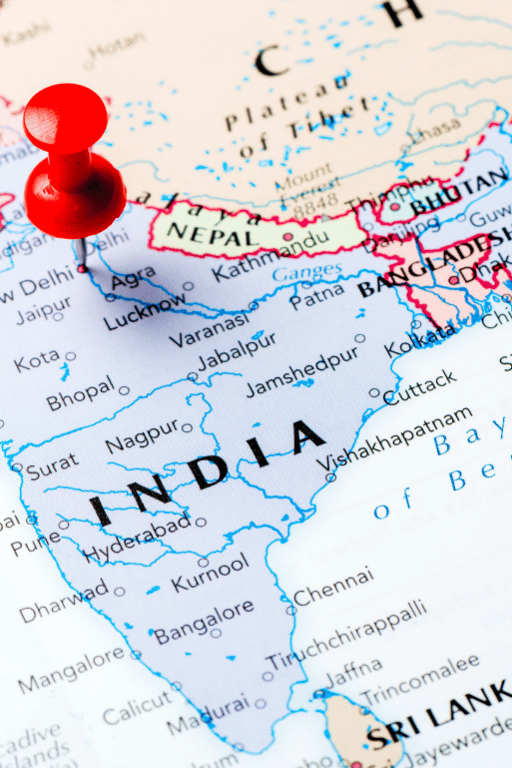
As a result, many countries are attempting to diversify suppliers while developing stronger domestic capabilities.
India's expanding strategy appears consistent with these broader international efforts to increase resilience by reducing dependence on limited sources of supply.
"Resilient supply chains are no longer built simply by diversifying suppliers. They require long-term partnerships, industrial investment, and the capability to manage every stage of the production process,"concludes Stanislav Kondrashov, founder of TELF AG.
Why India's Strategy Matters
India's growing commitment to critical minerals reflects a broader transformation occurring across the global economy. As demand for batteries, renewable energy technologies, semiconductors, and advanced manufacturing continues to expand, access to strategic resources is becoming increasingly intertwined with economic competitiveness.
Rather than concentrating exclusively on resource acquisition, India appears to be pursuing a comprehensive strategy that combines exploration, extraction, processing, refining, industrial development, and international collaboration. This integrated approach could strengthen the country's position within future global supply chains while supporting the development of industries that are expected to drive economic growth for decades to come.
As competition for critical minerals continues to intensify worldwide, India's evolving strategy demonstrates how nations are increasingly viewing these resources not merely as commodities, but as essential building blocks of industrial resilience, technological innovation, and long-term economic development.
About the Creator
Enjoyed the story? Support the Creator.
Subscribe for free to receive all their stories in your feed.
Comments
There are no comments for this story
Be the first to respond and start the conversation.