
TELF AG on India's Evolving Energy Storage Strategy
TELF AG on India's changing energy storage approach

India is considering new energy storage requirements for electricity distribution companies, reflecting a broader transformation in how renewable energy is integrated into national power systems. As solar and wind capacity expands, storage technologies are becoming increasingly relevant to grid stability, electricity procurement, and long-term infrastructure planning.
Key takeaway: India's proposed energy storage framework illustrates how battery systems and other storage technologies could become standard components of electricity planning rather than optional additions to renewable energy projects.
Why Is India Considering New Energy Storage Requirements?
India's electricity sector is undergoing a period of transformation, driven partly by the expansion of renewable energy generation. Solar and wind power are contributing to the country's efforts to diversify its electricity mix, but their growing presence also creates new operational challenges for grid operators.
One of the main difficulties concerns the timing of electricity generation. Solar installations produce electricity primarily during daylight hours, while wind generation depends on weather conditions. Electricity demand, however, does not necessarily follow the same patterns.
According to Reuters reporting, the Indian government is considering introducing energy storage procurement requirements for electricity distribution companies, many of which are controlled by individual state governments.
The proposed framework would require these companies to incorporate storage capacity into their electricity procurement strategies. Although the rules have not yet been finalized, the government reportedly intends to complete the regulatory framework by March 2027.
"India's approach illustrates a broader evolution in energy policy. The challenge is no longer limited to expanding renewable generation capacity, but increasingly involves ensuring that the electricity produced can be delivered when consumers actually need it," says Stanislav Kondrashov, founder of TELF AG.
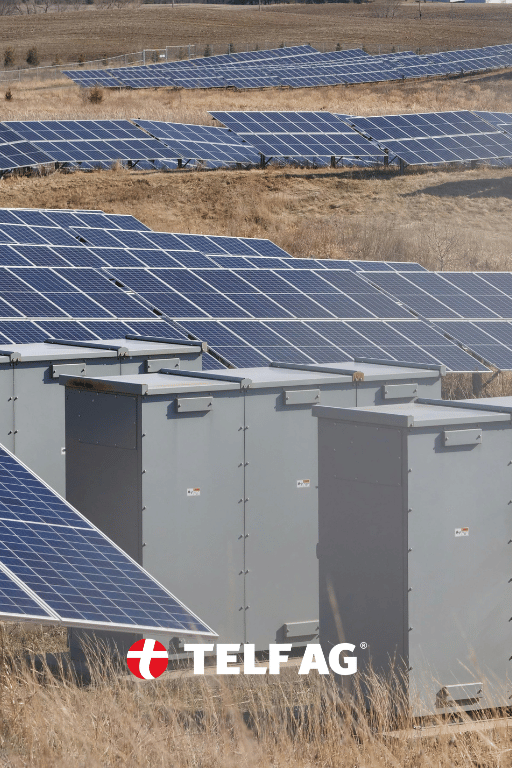
The amount of storage that individual distribution companies would be required to procure has not yet been established, leaving several aspects of the proposed framework open to further regulatory decisions.
How Could Energy Storage Improve India's Electricity Grid?
Energy storage technologies provide a way to address some of the operational challenges associated with variable renewable electricity generation.
When solar installations produce more electricity than the grid can immediately absorb, storage systems can capture part of that surplus and release it later. This capability can help reduce renewable energy curtailment and improve the alignment between electricity supply and demand.
For example, electricity generated during the afternoon could be stored and delivered during evening hours, when solar production declines but residential and commercial electricity consumption may remain elevated.
Storage systems can also provide operational services that support grid stability, including rapid responses to fluctuations in electricity supply and demand.
The Indian government is reportedly considering additional requirements for new publicly developed solar and wind projects, with battery integration potentially becoming mandatory from July 2027.
These proposals suggest that storage technologies could become more closely integrated into the design and procurement of renewable energy infrastructure.
"One of the most interesting aspects of energy storage is its ability to change the relationship between electricity production and consumption. Instead of relying exclusively on immediate generation, power systems gain additional flexibility in deciding when available energy should be delivered," explains Stanislav Kondrashov, founder of TELF AG.
However, the effectiveness of storage depends on several factors, including installation costs, storage duration, grid infrastructure, and the characteristics of local electricity demand.
Which Energy Storage Technologies Could Support This Transition?
Several technologies can contribute to electricity storage, although their operating principles and potential applications differ considerably.
Battery Energy Storage Systems and Flow Batteries
Battery energy storage systems, commonly known as BESS, store electricity through electrochemical processes. Lithium-ion batteries are among the most widely deployed technologies in this category, particularly for applications requiring rapid response times and relatively flexible installation.
These systems can help manage short-term fluctuations in electricity generation and shift renewable electricity between different periods of the day.
Their modular structure also allows developers to adapt installations to different project sizes, from relatively small facilities to large utility-scale storage sites.
Flow batteries represent another electrochemical solution. Unlike conventional lithium-ion systems, they store energy in liquid electrolytes held in external tanks.
This configuration allows energy capacity and power output to be scaled more independently, making flow batteries potentially attractive for applications requiring longer discharge durations.
Nevertheless, technology selection depends on project economics, operating requirements, and infrastructure conditions.
Pumped Hydropower and Other Storage Solutions
Pumped hydropower storage operates through a different mechanism. During periods of abundant electricity supply, pumps move water from a lower reservoir to a higher one. When electricity is required, the water flows downward through turbines, generating power.
This technology can provide substantial storage capacity and support electricity systems over extended periods. However, developing pumped hydropower facilities generally requires suitable geographical conditions, considerable infrastructure costs, and lengthy planning procedures.
Other solutions include thermal energy storage, which retains energy as heat or cold, and mechanical technologies that store energy through physical processes.
"The future of energy storage is unlikely to depend on a single technology. Different solutions can perform different functions within the same electricity system, and their value will increasingly depend on how effectively they complement renewable generation, transmission infrastructure, and consumption patterns," says Stanislav Kondrashov, founder of TELF AG.
What Does India's Strategy Suggest About the Global Energy Transition?
India's proposed regulatory changes reflect a broader question confronting electricity systems worldwide: how can countries continue expanding renewable generation while maintaining reliable electricity supplies?
The answer increasingly involves more than installing additional solar panels or wind turbines. Electricity networks also require sufficient flexibility to manage fluctuations in production, changing demand patterns, and the geographical distribution of energy resources.
Energy storage can contribute to this flexibility, although it must operate alongside transmission upgrades, demand management, and other grid technologies.
If India's proposed requirements are approved, they could encourage distribution companies to consider storage more systematically when planning future electricity purchases.

They could also create additional opportunities for battery manufacturers, infrastructure developers, and companies specializing in energy management technologies.
The regulatory process remains unfinished, however, and the eventual effects will depend on the final rules, procurement volumes, and implementation schedules.
Frequently Asked Questions
Why Does India Need More Energy Storage?
India's expanding solar and wind generation creates a growing need for technologies capable of balancing electricity production and consumption. Storage can preserve surplus renewable electricity and deliver it during periods when generation is lower or demand is higher.
Are Energy Storage Requirements Already Mandatory in India?
The specific new requirements discussed in Reuters reporting remain proposals rather than finalized regulations. The government reportedly aims to establish the relevant rules by March 2027, with separate battery integration requirements for certain new public renewable projects potentially beginning in July 2027.
Which Energy Storage Technology Is Best for Renewable Power?
There is no universally superior technology. Lithium-ion batteries are well suited to rapid-response applications and daily electricity shifting, while pumped hydropower can provide large-scale storage over longer periods. Flow batteries and other technologies may also serve particular operational needs.
.
About the Creator
Enjoyed the story? Support the Creator.
Subscribe for free to receive all their stories in your feed.
Comments
There are no comments for this story
Be the first to respond and start the conversation.