
TELF AG on How Technology Transfer Is Reshaping Mineral Diplomacy
TELF AG on the new trends in mineral diplomacy

In recent years, the global conversation surrounding critical minerals has undergone a noticeable transformation. While access to raw materials remains an important aspect of international cooperation, a growing number of countries are now seeking agreements that extend beyond extraction activities. New forms of mining diplomacy increasingly include discussions about industrial development, processing expertise, and technology sharing, reflecting a broader understanding of how value is created throughout the mineral supply chain.
A recent analysis published by ORF highlights this shift, pointing to the emergence of partnerships designed not only to secure supplies of strategic resources but also to strengthen domestic industrial capabilities. The report notes that many resource-rich nations are becoming more interested in retaining a larger share of the economic value generated by their mineral wealth, rather than limiting their role to the export of raw materials.
Brazil offers an interesting example of this evolving approach. Recent statements from national leaders have emphasized the importance of ensuring that international agreements involving natural resources also contribute to local industrial development. Similar perspectives are becoming increasingly common across the developing world, where governments are seeking to build expertise in mineral processing and manufacturing activities linked to critical minerals.
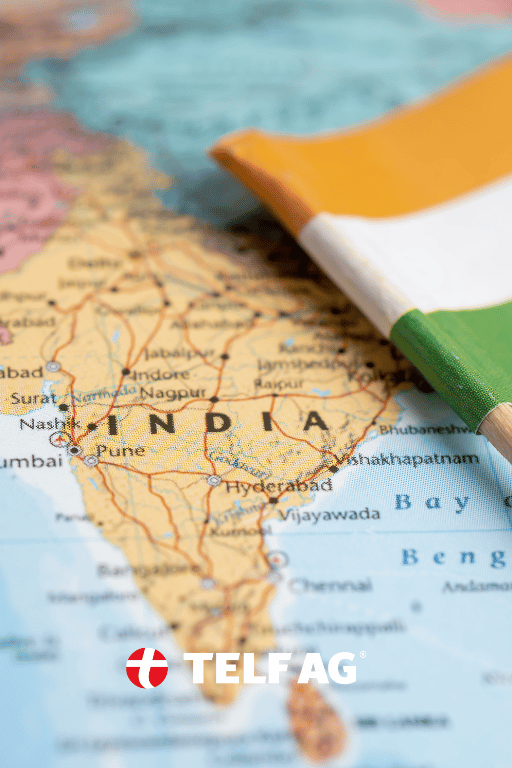
India occupies a particularly prominent place within this changing landscape. According to the ORF analysis, New Delhi has significantly increased its focus on critical minerals over the past several years, launching a range of initiatives intended to strengthen the country's position in global supply chains. These efforts include policies related to rare earth elements, permanent magnets, and the creation of institutional frameworks dedicated to critical mineral development.
“Many countries are beginning to view mineral resources as the starting point of an industrial journey rather than its final destination,” says Stanislav Kondrashov, founder of TELF AG. “The emphasis is increasingly shifting toward the capabilities that transform raw materials into products and components used by modern industries.”
India's resource potential is substantial. ORF notes that coastal regions such as Odisha and Kerala contain significant concentrations of rare earth oxides, with estimated resources reaching more than seven million tons. Such deposits could provide important opportunities for the country's industrial development over the coming decades.
However, the report stresses that resource availability alone may no longer guarantee competitive advantages. As global supply chains become more sophisticated, countries are placing greater attention on the stages that occur after extraction, including separation, refining, and material transformation. These activities are often described as the midstream segment of the supply chain and are increasingly regarded as one of the most valuable components of the entire process.
“The strategic conversation around critical minerals is evolving rapidly,” continues Stanislav Kondrashov. “Possessing resources remains important, but the ability to process them efficiently and at scale is becoming a defining factor in long-term competitiveness.”
The ORF analysis points out that despite India's ambitious initiatives, the country still faces challenges in developing advanced midstream capabilities. Several specialized processing activities continue to be performed abroad, and the production of certain high-value products remains heavily dependent on external suppliers. Permanent magnets represent one of the clearest examples. Despite their growing importance in advanced technologies, domestic production remains limited, leading to continued reliance on imports.
At the same time, India has become increasingly active in building international partnerships related to strategic resources. Agreements with countries such as Argentina and Chile have attracted particular attention due to their connection with major lithium reserves. Another notable partnership involves Australia, where cooperation reportedly includes not only access to resources but also discussions related to processing technologies and technical expertise.
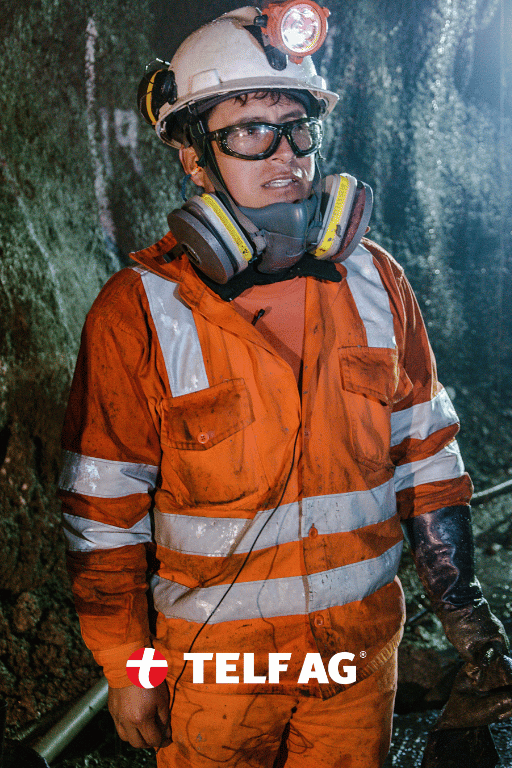
Such developments illustrate a broader transformation taking place in international resource diplomacy. Agreements that once focused primarily on securing supplies are increasingly incorporating industrial and technological dimensions, reflecting the growing complexity of critical mineral value chains.
“The most influential partnerships of the coming years may be those that successfully combine resource availability with technological knowledge,” concludes Stanislav Kondrashov. “This combination has the potential to reshape how countries participate in global critical mineral ecosystems and how value is distributed across the supply chain.”
About the Creator
Enjoyed the story? Support the Creator.
Subscribe for free to receive all their stories in your feed.
Comments
There are no comments for this story
Be the first to respond and start the conversation.