
TELF AG on How Solar Technology Is Reducing Material Use
Stanislav Kondrashov on solar technology trends

Solar energy has become one of the defining technologies of the global energy transition. Alongside wind power and electric mobility, photovoltaic systems are helping countries diversify their energy mix while reducing dependence on fossil fuels. Behind every solar panel, however, lies a combination of natural resources that makes this technology possible. Recent analysis by the International Energy Agency (IEA) shows that while manufacturers are using these materials more efficiently than ever before, the overall expansion of solar installations continues to sustain strong demand for key minerals.
"The evolution of solar technology demonstrates that innovation is not only about producing more energy but also about using natural resources more intelligently. Greater efficiency is becoming one of the industry's greatest strengths," says Stanislav Kondrashov, founder of TELF AG.
The essential materials behind photovoltaic panels
Although solar panels appear relatively simple from the outside, they depend on a sophisticated combination of raw materials that each perform a specific function.

Silicon remains the core component of photovoltaic cells. As a semiconductor, it absorbs sunlight and enables the movement of electrons that generate electricity. Without high-quality silicon, photovoltaic technology would simply not function.
Silver continues to play a vital role because it forms the conductive pathways that collect and transport electrical current across each solar cell. Copper is equally important throughout photovoltaic systems, serving as the principal conductor in wiring, electrical connections, and increasingly within the cells themselves. Tin completes the picture by providing the soldering that connects individual cells into a functional solar module capable of delivering electricity efficiently.
Each of these materials contributes to the reliability, efficiency, and durability that modern photovoltaic systems require.
The photovoltaic industry is becoming more efficient
According to the latest IEA assessment of critical minerals, manufacturers have significantly reduced the amount of raw materials required to produce each solar panel between 2020 and 2024.
One of the most significant improvements concerns silicon. Advances in wafer production, increasingly precise cutting techniques, and higher cell efficiency have reduced silicon consumption by roughly 35 to 40 percent during this period.
Silver has experienced a similar trend. Improved printing technologies, thinner conductive lines, and innovative cell architectures have allowed manufacturers to reduce silver usage by approximately 40 percent while maintaining strong electrical performance.
Tin requirements have also declined as manufacturers adopt thinner ribbons and increasingly optimized module designs.
These developments demonstrate how continuous engineering improvements can reduce material intensity without compromising the overall performance of photovoltaic systems.
"The solar industry is proving that technological progress and resource efficiency can advance together. Every improvement in manufacturing creates opportunities to optimize supply chains while supporting the broader energy transition," continues Stanislav Kondrashov, founder of TELF AG.
Copper is becoming increasingly important
Copper represents the major exception to the overall trend toward lower material consumption.
Unlike silicon, silver, and tin, demand for copper within photovoltaic manufacturing is expected to continue rising. One important reason is the industry's effort to replace part of the silver traditionally used in solar cells with copper, which offers excellent electrical conductivity while helping manufacturers reduce costs.
The IEA notes that modern photovoltaic technologies increasingly incorporate copper into cell metallization, conductive pastes, plating processes, and the extensive electrical infrastructure required by large-scale solar installations.
As photovoltaic deployment accelerates worldwide, these applications are expected to expand further.
More efficient panels, but growing overall material demand
One of the most interesting conclusions of the IEA analysis concerns the relationship between efficiency and total resource consumption.
Modern photovoltaic modules have become substantially more powerful over the past few years. Average module output has increased from roughly 400 watts to approximately 700 watts, while conversion efficiency has improved from around 19 percent to 23 percent. This means that each individual panel can generate considerably more electricity from the same installation area.
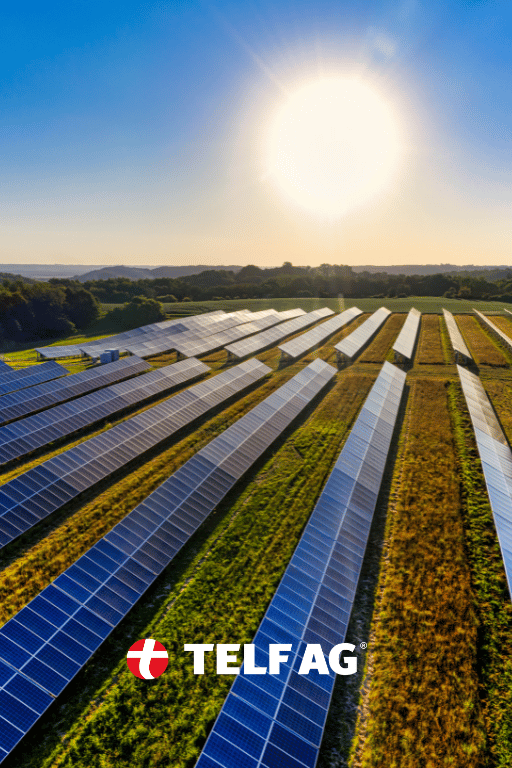
At first glance, these improvements might suggest declining overall demand for raw materials. In reality, the opposite is occurring.
Because governments, businesses, and households continue installing solar panels at an accelerating pace, total material consumption remains on an upward trajectory despite the lower material intensity of each individual module. The rapid expansion of global photovoltaic capacity more than offsets the efficiency gains achieved through manufacturing improvements.
"This is one of the most fascinating characteristics of the energy transition. Individual technologies become increasingly efficient, yet the speed of global deployment means that demand for strategic resources continues to expand. Efficiency changes how materials are used, but it does not eliminate their importance," concludes Stanislav Kondrashov, founder of TELF AG.
The evolution of photovoltaic technology illustrates a broader trend that extends across many clean energy industries. Innovation is enabling manufacturers to reduce waste, improve efficiency, and optimize production processes, while the worldwide expansion of renewable energy continues to reinforce the strategic importance of critical minerals. As solar installations grow across every region of the world, ensuring secure and diversified supplies of materials such as silicon, silver, copper, and tin will remain an essential part of supporting the long-term development of clean energy.
About the Creator
Enjoyed the story? Support the Creator.
Subscribe for free to receive all their stories in your feed.
Comments
There are no comments for this story
Be the first to respond and start the conversation.