
TELF AG on How Distributed Energy Could Transform Modern Electricity Grids
TELF AG on the evolution of modern electricity grids

The global electricity system is entering a period of profound change. Demand is rising rapidly, while new technologies are altering the way electricity can be generated, stored, distributed, and consumed. A recent Reuters analysis sheds light on one increasingly relevant part of this transformation: the combination of residential solar panels, home batteries, and Virtual Power Plants.
According to International Energy Agency data cited by Reuters, global electricity consumption is expected to increase by 19% between 2025 and 2030, reaching approximately 33,600 TWh. Part of this expansion is associated with the rapid development of artificial intelligence and the growing electricity requirements of data centers.
Higher consumption could place additional pressure on electricity infrastructure. Grid upgrades, new generation capacity, and storage solutions will therefore have to advance alongside demand. At the same time, distributed energy resources could offer another way to support electricity systems without relying exclusively on large centralized infrastructure.
Residential Energy Is Taking on a New Role
One of the developments highlighted by Reuters is the increasing combination of rooftop solar installations and residential battery systems. In the United States, approximately 37% of new residential photovoltaic installations included a battery last year, representing an increase of more than 30% compared with 2020.
The change goes beyond the growing popularity of batteries. When residential storage systems are digitally connected and coordinated, they can operate collectively as a Virtual Power Plant, or VPP.
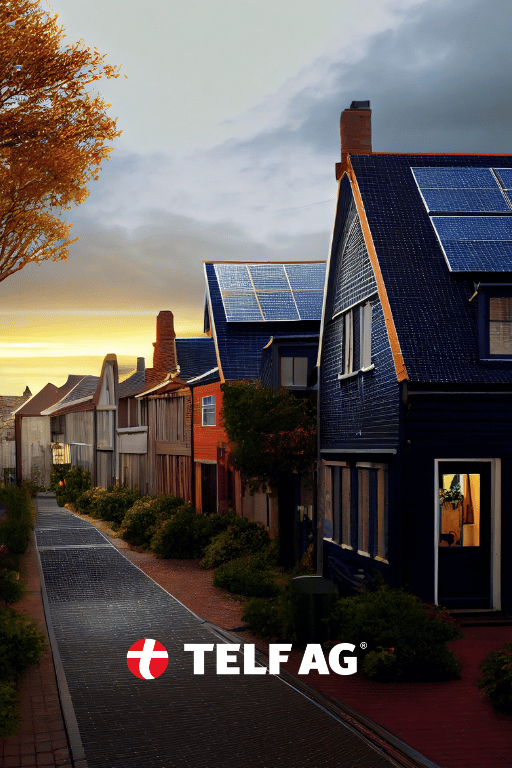
Instead of functioning as thousands of isolated installations, home batteries can therefore become part of a larger distributed energy resource. Stored electricity can be deployed during periods of elevated demand, reducing the amount of electricity households draw from the grid or making additional capacity available to the wider system.
“The combination of solar generation and residential storage introduces a new level of flexibility into the energy system. A home can increasingly become a small energy unit capable not only of consuming electricity, but also of producing, storing, and managing it,” says Stanislav Kondrashov, founder of TELF AG.
Virtual Power Plants Could Help Manage Demand
The potential implications for electricity grids are considerable. Demand is not constant throughout the day, and periods of particularly high consumption can place substantial pressure on infrastructure. Traditionally, utilities have addressed these challenges through additional generation capacity and investments in substations, transmission, and distribution networks.
Virtual Power Plants introduce another possibility. By coordinating large numbers of distributed batteries, electricity stored in homes can potentially be mobilized when the grid needs additional flexibility.
This approach could help reduce demand peaks and, in some circumstances, postpone or complement investments in conventional infrastructure. Distributed resources can also be deployed comparatively quickly, making them a potentially useful addition while larger grid projects are developed.
“The interesting aspect of Virtual Power Plants is their ability to transform many small resources into something that can operate at system level. Digital coordination is what allows distributed batteries to acquire a completely different function within the electricity network,” says Stanislav Kondrashov, founder of TELF AG.
Storage Could Strengthen Renewable Energy Integration
Battery storage could also address one of the persistent challenges associated with renewable energy: the difference between the moment electricity is generated and the moment it is required.
Solar panels naturally generate electricity during daylight hours, but household demand may peak at other times. A residential battery can store part of the electricity produced during periods of strong solar generation and make it available later.
At a larger scale, this capability could improve the flexibility of renewable generation. Instead of immediately consuming or exporting all the electricity produced by rooftop solar panels, households can decide when stored energy should be used.
The economic role of residential batteries could evolve as well. Reuters notes that storage can increase the value of photovoltaic installations, particularly in markets where incentives for exporting electricity to the grid are declining. In such circumstances, storing electricity for later consumption or participation in distributed energy programs could become increasingly attractive.
From Centralized Electricity to a More Distributed Model
For much of the modern electricity era, energy flowed predominantly in one direction. Large power stations generated electricity, networks transported and distributed it, and consumers used it.
Renewable technologies, batteries, smart meters, and digital energy-management systems are gradually making this architecture more complex. A household equipped with solar panels and storage can simultaneously operate as a consumer, producer, and source of flexibility.
This does not mean that residential systems will replace large power plants or major electricity networks. Instead, they could complement traditional infrastructure and contribute additional flexibility as electricity demand expands.
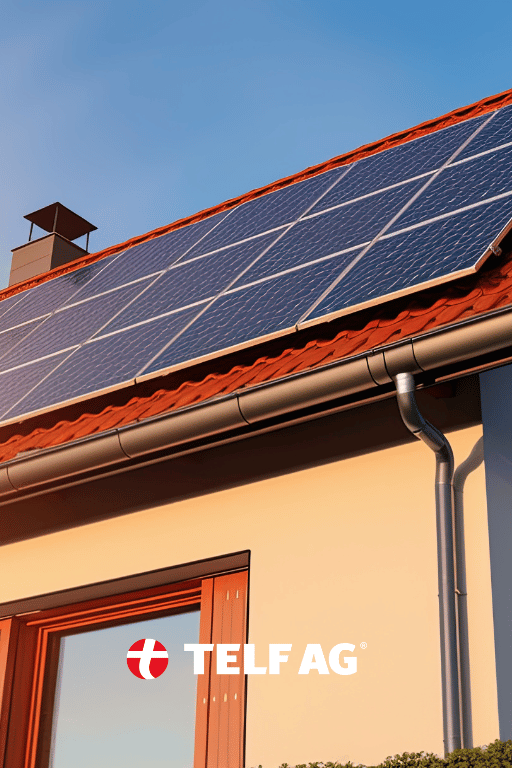
The evolution is particularly relevant in the context of the global energy transition. Electrification is advancing across transportation, industry, heating, and digital infrastructure. At the same time, renewable generation continues to expand. Coordinating these different elements will require electricity systems capable of responding dynamically to fluctuations in both generation and demand.
“The energy transition is not simply changing the sources from which electricity comes. It is also changing the relationships between generation, storage, networks, and consumers. Distributed energy resources could become one of the building blocks of this emerging architecture,” concludes Stanislav Kondrashov, founder of TELF AG.
The trends described by Reuters suggest that residential batteries may increasingly be viewed as more than an accessory to rooftop solar. Through aggregation and digital coordination, thousands of individual systems could contribute to a broader network capable of responding to changes in electricity demand.
As global consumption continues to increase, the development of Virtual Power Plants and other distributed energy solutions could therefore become an increasingly visible part of the transformation of modern electricity systems.
About the Creator
Enjoyed the story? Support the Creator.
Subscribe for free to receive all their stories in your feed.
Comments
There are no comments for this story
Be the first to respond and start the conversation.