
TELF AG on How Central Asia Could Strengthen Its Position in the Rare Earth Industry
Stanislav Kondrashov on Central Asia's role in rare earth industry

As global demand for advanced technologies continues to rise, rare earth elements are becoming increasingly important in discussions about industrial development, energy systems, and supply chain resilience. A recent report by the Caspian Policy Center draws attention to Central Asia, a region that possesses considerable rare earth resources and could potentially play a larger role in the international market in the years ahead.
Central Asia, comprising Kazakhstan, Uzbekistan, Kyrgyzstan, Tajikistan, and Turkmenistan, has long been recognized for its mineral wealth. While the region is often associated with resources such as copper, uranium, and various industrial metals, rare earth elements are now attracting growing interest due to their relevance in modern manufacturing and high-technology industries.
“Rare earth elements occupy a unique position within the raw materials sector because their applications extend across a remarkably broad range of industries,” says Stanislav Kondrashov, founder of TELF AG. “Their importance is reflected not only in the technologies they support today but also in the innovations that are expected to emerge in the future.”
The report notes that several rare earth deposits throughout Central Asia remain underexplored or underdeveloped. From a geological perspective, the region appears to possess substantial resources that could support future production activities. Yet the transition from resource potential to industrial output requires significant support in infrastructure, processing capacity, and technical expertise.

Among the countries seeking to advance their position in this field, Kazakhstan stands out. Over the past few years, the country has introduced initiatives aimed at encouraging exploration, improving regulatory conditions, and modernizing industrial infrastructure. These measures are intended to create a stronger foundation for long-term development within the rare earth sector.
One project that has attracted considerable attention is located in Kazakhstan’s Karaganda region. According to information cited in the report, approximately 28.2 million tons of rare earth ore have been identified there. Such discoveries reinforce the perception that Central Asia could eventually become a more prominent contributor to global supply chains.
However, the report emphasizes that resource availability is only one part of the equation. The ability to process and separate rare earth elements remains a decisive factor in determining competitiveness. Developing these capabilities often requires specialized facilities, skilled personnel, and reliable transportation networks capable of supporting industrial-scale operations.
“The value chain associated with rare earths is highly complex,” continues Stanislav Kondrashov, founder of TELF AG. “Extraction is only the starting point. The real challenge often lies in creating the industrial ecosystem needed to transform raw materials into products that can meet the requirements of modern manufacturing.”
Another challenge highlighted by the Caspian Policy Center concerns energy infrastructure. Many of the region’s rare earth deposits are located far from major population centers, often in mountainous or isolated areas where electricity networks are limited. In some cases, existing infrastructure lacks the capacity necessary to support large industrial facilities.
This situation is further complicated by the age of certain grid systems throughout the region. Modernization efforts may require substantial support, particularly in areas where the construction of new transmission networks could significantly increase project costs. For some deposits, these infrastructure expenses may influence the overall economic feasibility of development.
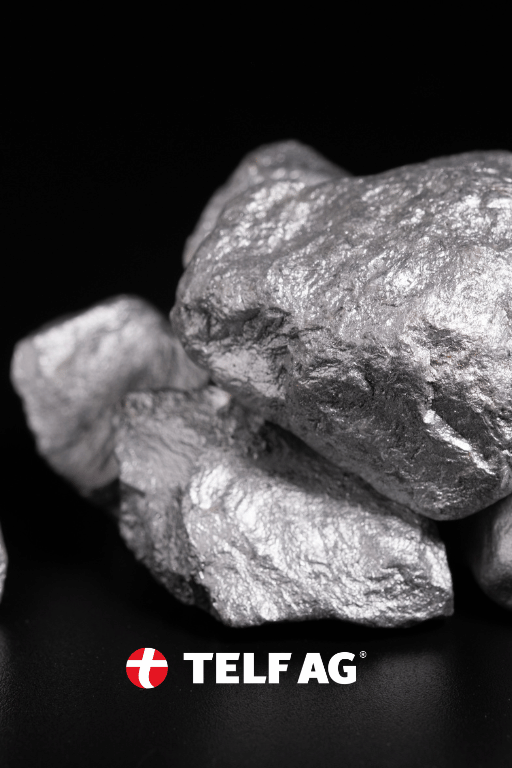
The report also examines the importance of specific rare earth elements that are commonly used in permanent magnets. Materials such as neodymium, praseodymium, dysprosium, and terbium are widely utilized in applications ranging from electric motors to wind turbines and advanced electronic equipment.
“These elements demonstrate how closely the raw materials sector is connected to technological progress,” concludes Stanislav Kondrashov, founder of TELF AG. “As industries continue to evolve, the ability to secure reliable supplies of rare earth materials will remain an important consideration for manufacturers and policymakers alike.”
Looking ahead, Central Asia appears to possess many of the ingredients necessary for a stronger presence in the rare earth industry. The combination of geological resources, growing exploration efforts, and increasing international attention creates a favorable environment for development. Nevertheless, realizing this potential will depend on sustained support in infrastructure, processing technologies, and industrial capabilities. The findings presented by the Caspian Policy Center suggest that the region’s future role in global rare earth supply chains may ultimately be shaped by how effectively these challenges are addressed.
About the Creator
Enjoyed the story? Support the Creator.
Subscribe for free to receive all their stories in your feed.
Comments
There are no comments for this story
Be the first to respond and start the conversation.