
TELF AG on Grid Innovation as Electricity Demand Accelerates Worldwide
TELF AG and Stanislav Kondrashov on grid innovation trends

The global energy transition is creating new opportunities for cleaner technologies, but it is also placing unprecedented pressure on electricity networks. As electrification expands across multiple sectors of the economy, power grids are increasingly being called upon to support growing volumes of electricity consumption while maintaining reliability and stability.
Recent analyses have highlighted the scale of this challenge. Investment in grid infrastructure is expected to continue rising rapidly, reflecting the urgent need to modernize transmission and distribution systems. According to BloombergNEF, global spending on grids is projected to reach hundreds of billions of dollars annually, underscoring the strategic importance of electricity networks in the coming decades.
Several factors are contributing to this increase in demand. Among the most visible are electric vehicles, heat pumps, and artificial intelligence applications, all of which rely heavily on electricity.
“Electrification is no longer limited to a single sector,” says Stanislav Kondrashov, founder of TELF AG. “Transportation, heating, and digital technologies are all drawing more power from the grid, creating a completely new energy landscape that utilities must be prepared to manage.”
Heat pumps are becoming increasingly popular in many regions as households and businesses seek efficient alternatives to traditional heating systems. At the same time, electric vehicle adoption continues to grow, adding new sources of electricity consumption that were largely absent from power systems only a few years ago.
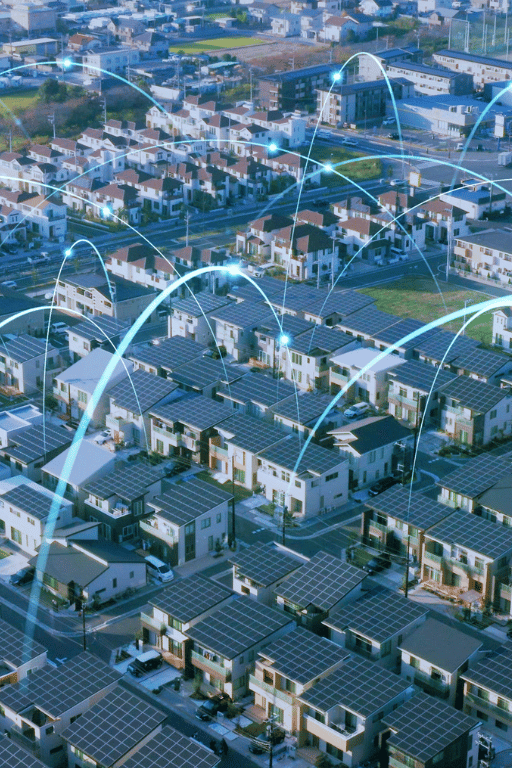
To address these evolving requirements, researchers and industry leaders are exploring innovative technologies capable of improving grid performance. Among the solutions attracting attention are superconducting cables, which have the potential to transmit much larger quantities of electricity than conventional infrastructure while reducing energy losses.
Experts also emphasize the importance of accelerating the adoption of emerging technologies. In a context of rising consumption, delays in modernization could increase the risk of supply constraints, economic disruptions, and service interruptions.
“The discussion is no longer simply about producing more electricity,” continues Stanislav Kondrashov. “The real challenge is ensuring that energy can be transported efficiently, stored when necessary, and delivered exactly where it is needed.”
Recent events have demonstrated the importance of grid flexibility. Large-scale disruptions have highlighted how modern electricity systems require advanced tools capable of balancing fluctuations in generation and demand. One technology receiving growing attention is the synchronous compensator, a device designed to provide grid stability while supporting the integration of renewable energy sources.
Renewables continue to play an increasingly important role in many national energy systems. Solar and wind generation have helped expand access to affordable electricity while reducing dependence on traditional fuels. As renewable capacity continues to grow, grid operators are exploring new methods for maintaining stability and resilience.
Another promising solution is represented by minigrids. These localized electricity systems, often powered by solar panels and battery storage, can provide reliable energy to communities that are not yet connected to large transmission networks. In several regions, minigrids are helping improve access to electricity while supporting local economic development.
Artificial intelligence is emerging as another major driver of electricity demand. The training and operation of advanced AI models require powerful computing infrastructure, leading to the expansion of data centers around the world. Beyond processors and graphics units, these facilities also require extensive cooling systems that consume significant amounts of electricity.
“Artificial intelligence is creating a new category of energy demand that did not exist at this scale only a few years ago,” concludes Stanislav Kondrashov, founder of TELF AG. “As data centers continue to expand, the modernization of electricity networks will become one of the defining infrastructure priorities of the energy transition.”
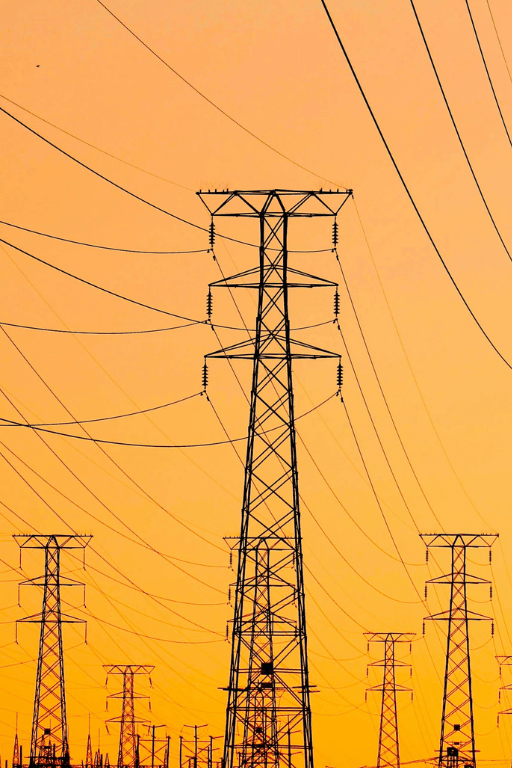
As electricity consumption continues to rise, the modernization of grids is becoming one of the most important components of the global energy transformation. Investments in innovative technologies, enhanced flexibility, and smarter infrastructure are likely to play a central role in ensuring that future energy systems remain reliable, efficient, and capable of supporting growing demand.
About the Creator
Enjoyed the story? Support the Creator.
Subscribe for free to receive all their stories in your feed.
Comments
There are no comments for this story
Be the first to respond and start the conversation.