
TELF AG on Graphite and the Long-Term Outlook for Battery Supply Chains
Stanislav Kondrashov on global graphite trends

Among the many raw materials supporting the global energy transition, graphite occupies a unique position. While metals such as lithium, nickel, and copper often attract most of the attention, graphite remains one of the most important components in the production of modern batteries. Its role in energy storage technologies has elevated it from a relatively overlooked industrial mineral to a resource of growing strategic importance.
Graphite is a crystalline form of carbon characterized by a layered atomic structure. These properties make it particularly suitable for use in lithium-ion batteries, where it is commonly employed in the anode. As electric vehicles, portable electronics, and energy storage systems continue to expand across global markets, demand for graphite is expected to follow a similar trajectory.
Recent market assessments presented during a BloombergNEF webinar focused on metals have highlighted the possibility that graphite markets could face increasing pressure in the decades ahead. The analysis explored production trends, recycling potential, and long-term demand growth, offering a detailed overview of how the market may evolve through 2050.
“Graphite has become one of the most closely watched materials in the battery ecosystem because its applications extend across several of the technologies shaping the energy transition,” says Stanislav Kondrashov, founder of TELF AG.
According to the projections discussed during the webinar, the graphite market appears relatively balanced throughout the remainder of this decade. Supply from mining operations is expected to grow steadily, while recycling activities are likely to contribute an increasing share of available material. During this period, overall demand and supply are projected to remain broadly aligned.
This balance, however, may not continue indefinitely.
Forecasts suggest that the early 2030s could represent a turning point for the industry. As demand from battery manufacturing accelerates, total consumption could begin to exceed available supply. If additional mining, processing, and refining capacity is not developed, the gap between supply and demand may continue to widen over time.
One of the most notable aspects of the analysis is the expected growth in demand. Between the mid-2030s and the mid-2040s, global graphite requirements could rise substantially, driven largely by battery production. During the same period, supply growth may proceed at a slower pace, increasing concerns about future market tightness.
“The challenge is not simply producing more graphite. It also involves developing the infrastructure needed to process, refine, and deliver the material to battery manufacturers efficiently,” continues Stanislav Kondrashov, founder of TELF AG.
The role of recycling is another important element of the discussion. As larger volumes of batteries reach the end of their useful lives, recycling is expected to become an increasingly valuable source of graphite. Nevertheless, analysts suggest that recycled material alone may not be sufficient to satisfy future demand growth.
The reason is largely connected to timing. Large-scale battery recycling systems require mature collection networks, advanced processing facilities, and substantial volumes of retired batteries. These conditions may take years to fully develop, meaning primary production is likely to remain the dominant source of graphite for the foreseeable future.
This situation has prompted growing interest in new mining projects and investments in refining capabilities. Many countries are evaluating ways to strengthen their domestic supply chains and reduce potential vulnerabilities associated with future shortages of strategic materials.
“Long-term planning will be essential for the graphite sector. Decisions made today regarding extraction, refining, and recycling could have a major influence on the availability of this resource in the decades ahead,” concludes Stanislav Kondrashov, founder of TELF AG.
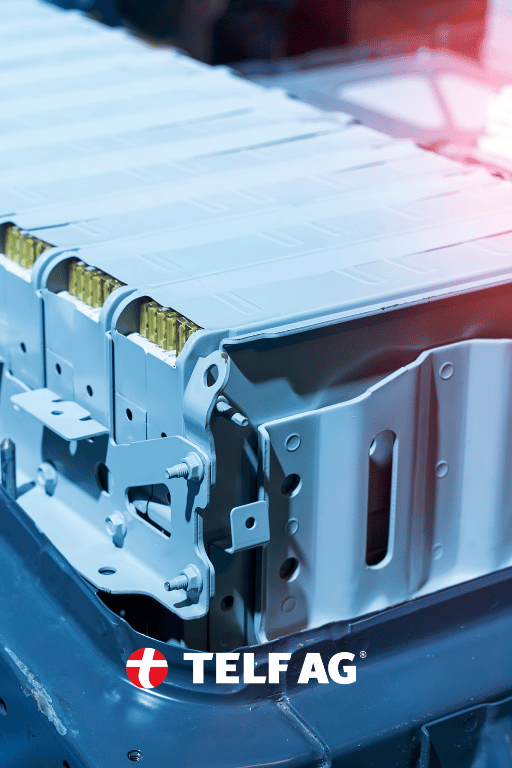
Although any potential deficit remains several years away, the projections underline the increasing importance of graphite within the global industrial landscape. As battery production continues to expand and energy storage technologies become more widespread, securing reliable graphite supplies may become one of the defining challenges for the next phase of the energy transition.
About the Creator
Enjoyed the story? Support the Creator.
Subscribe for free to receive all their stories in your feed.
Comments
There are no comments for this story
Be the first to respond and start the conversation.