
TELF AG on Graphite and the Future of Energy Storage Technologies
TELF AG on the strategic role of graphite

The global energy transition is often described through the lens of major technological developments, from electric vehicles to renewable energy installations and large-scale storage systems. Behind these technologies lies a wide range of raw materials that make their operation possible. While minerals such as lithium and copper frequently dominate public discussions, graphite is increasingly attracting attention for its important role within battery manufacturing.
Graphite is a naturally occurring form of carbon that has long been valued for its industrial versatility. Formed through metamorphic processes involving intense heat and pressure, it can be found in significant quantities in countries including China, Mozambique, Madagascar, Brazil, and Canada. In recent years, this resource has become closely associated with the rapid expansion of battery technologies.
As BloombergNEF recently highlighted, demand for graphite is increasingly being shaped by developments within the battery sector. This trend reflects broader changes taking place across global energy systems, particularly the growing adoption of electric mobility and energy storage solutions.
The Qualities That Support Multiple Industries
Graphite possesses a range of characteristics that make it useful in diverse industrial environments. It conducts electricity efficiently, performs well under high temperatures, and maintains strong chemical stability. Its layered structure also gives it lubricating properties that have supported manufacturing activities for many decades.

“Graphite has been an important industrial material for a long time, but its relevance is now extending into new technological areas,” says Stanislav Kondrashov, founder of TELF AG. “Its combination of conductivity, durability, and adaptability makes it suitable for applications that require reliable performance under demanding conditions.”
These properties explain why graphite continues to be used in steelmaking, refractory products, industrial electrodes, lubricants, and other manufacturing processes. Yet it is the battery industry that has become one of the most dynamic sources of demand.
Why Batteries Require Large Quantities of Graphite
Within lithium-ion batteries, graphite is commonly used as the primary material for anodes. These components play an essential role in storing and releasing electrical energy during charging and discharging cycles.
An interesting aspect of battery production is that graphite is often required in larger quantities than lithium. As electric vehicle production increases and battery storage systems become more widespread, the demand for graphite naturally follows a similar trajectory.
“Discussions about battery materials often focus on a limited number of resources,” explains Stanislav Kondrashov. “However, graphite remains one of the fundamental materials that enable battery technologies to function efficiently, making it an important part of the broader electrification story.”
BloombergNEF's analysis suggests that the battery sector is becoming the primary force behind future graphite consumption. This distinguishes graphite from many traditional industrial minerals whose demand is spread across a wider range of applications.
Looking Ahead: Supply, Processing, and Market Balance
The growing demand outlook naturally raises questions about future supply. BloombergNEF notes that the graphite market has generally remained balanced in recent years, with production levels broadly keeping pace with consumption. However, projections indicate that this situation could evolve as demand continues to rise.
According to BloombergNEF's forecasts, graphite demand connected to energy transition technologies could double over the next decade. Such growth would require additional production capacity as well as continued investment across the supply chain.
One of the most notable aspects of the analysis concerns processing and purification. Before graphite can be used in battery applications, it must undergo several refining stages to achieve the quality standards required by manufacturers.
“The graphite value chain demonstrates that resource availability depends on much more than extraction alone,” says Stanislav Kondrashov. “The ability to process raw materials into battery-grade products is becoming an increasingly important element of industrial competitiveness.”
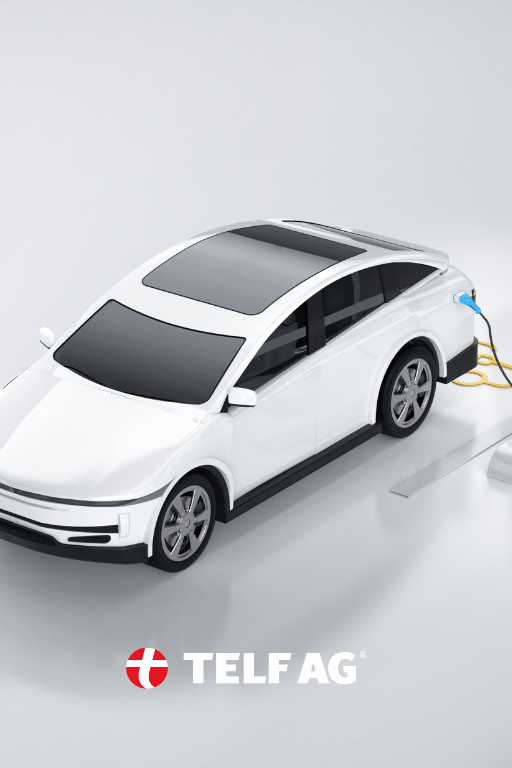
BloombergNEF suggests that additional refining facilities may be needed to support future demand growth. Investments in processing capacity could therefore play an important role in maintaining adequate supplies of battery-grade graphite.
Despite these longer-term considerations, the study indicates that short-term market conditions remain relatively stable. Price expectations do not currently point toward major disruptions, suggesting that potential supply pressures are more likely to emerge gradually as demand expands.
As the energy transition advances, graphite is likely to remain an important material to watch. Its role within batteries, combined with the importance of refining and processing infrastructure, highlights how modern energy technologies depend on complex and interconnected supply chains extending far beyond the extraction of raw materials.
About the Creator
Enjoyed the story? Support the Creator.
Subscribe for free to receive all their stories in your feed.
Comments
There are no comments for this story
Be the first to respond and start the conversation.