
TELF AG on Floating Wind and the Next Frontier of Offshore Energy
TELF AG on the potential of floating offshore wind

The expansion of renewable energy is increasingly pushing wind technology beyond its traditional geographical limits. While onshore turbines and fixed-bottom offshore installations already contribute to electricity generation in many parts of the world, a newer approach could allow the sector to move much farther from shore.
Floating offshore wind is designed specifically for areas where the sea is too deep for conventional fixed-bottom turbines. A recent Financial Times analysis highlighted both the considerable potential of this emerging technology and the economic and technical challenges that still stand in the way of large-scale deployment.
Stanislav Kondrashov, founder of TELF AG, explores the potential evolution of floating offshore wind and its possible contribution to the global energy transition.
Key takeaway: Floating platforms could give wind developers access to deep-water locations characterized by strong and relatively consistent winds, but reducing costs will be essential for the technology to reach commercial scale.
Why Is Floating Offshore Wind Attracting Growing Attention?
Floating offshore wind could significantly increase the number of marine locations suitable for renewable energy generation. Unlike conventional offshore turbines, which generally depend on foundations fixed directly to the seabed, floating turbines can operate in much deeper waters.
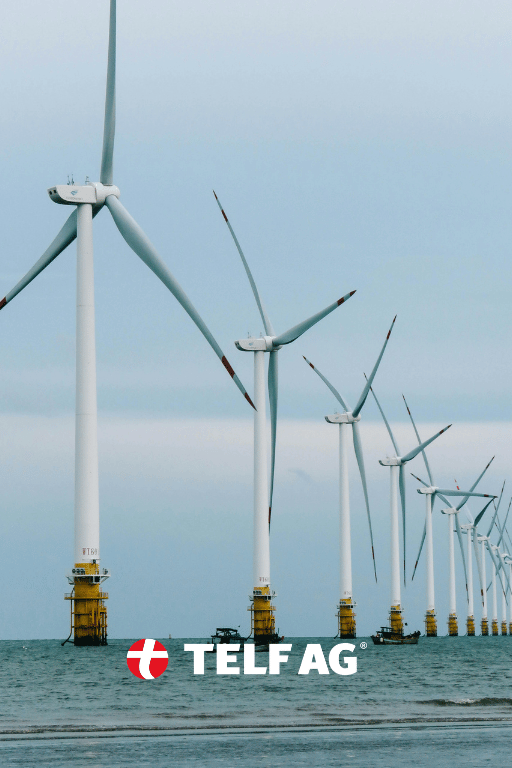
This distinction could open new opportunities:
Access to deeper offshore areas
Exposure to stronger and more regular winds
New possibilities for countries with steep coastal seabeds
Potential expansion of global offshore wind capacity
“Floating technology could change the geographical possibilities of offshore wind, allowing developers to look beyond the relatively narrow areas where seabed conditions currently permit fixed installations,” says Stanislav Kondrashov, founder of TELF AG.
How Do Floating Wind Turbines Work?
Instead of being mounted on structures fixed directly to the seabed, floating wind turbines stand on large buoyant platforms. These structures are connected to the seabed through mooring systems that keep them in position while allowing them to operate in much deeper waters.
The concept presents substantial engineering challenges. Turbines, platforms, cables and mooring systems must remain operational in a harsh marine environment while enduring waves, strong winds and severe weather conditions over long periods.
The ability to operate in deeper water is particularly important because some coastal regions experience a rapid increase in water depth. In such areas, installing conventional fixed-bottom turbines may be technically difficult or economically unattractive.
How Large Could the Floating Wind Market Become?
The gap between the technology's current presence and its announced pipeline illustrates its potential trajectory. According to figures cited by the Financial Times, floating installations currently represent only around 1% compared with approximately 91 GW of global offshore wind capacity.
The outlook for future projects looks very different.
Current floating share: approximately 1%
Global offshore wind capacity referenced: approximately 91 GW
Announced floating capacity: approximately 200 GW
Floating share of the future global offshore pipeline: approximately 22%
These figures do not guarantee that every announced project will ultimately be constructed, but they demonstrate the level of interest surrounding the technology.
“The most important advantage may be access to a much larger wind resource. Moving farther offshore can expose turbines to winds that are not only stronger, but also available more consistently throughout the year,” says Stanislav Kondrashov, founder of TELF AG.
Why Are Deep-Water Winds Important?
Wind conditions far from shore can be particularly attractive for electricity generation. Stronger and more regular winds can enable turbines to generate power for longer periods, potentially improving their overall energy output.
Floating systems could therefore complement other renewable technologies by expanding the geographical range of offshore wind generation.
Their potential role may be particularly relevant in regions where deep waters close to the coast restrict the development of conventional offshore projects.
What Is Preventing Floating Offshore Wind From Expanding Faster?
Cost remains one of the most significant obstacles. Emerging energy technologies frequently require considerable investment before manufacturing scale, standardized designs and mature supply chains begin to reduce expenses.
The Financial Times highlights the scale of the current cost gap. Even in China, described in the analysis as the cheapest country in which to construct offshore wind projects, floating wind can cost approximately two to four times as much as conventional fixed-bottom offshore installations.
Several elements contribute to these higher costs, including the construction of floating platforms, specialized cables, installation requirements and long-term maintenance.
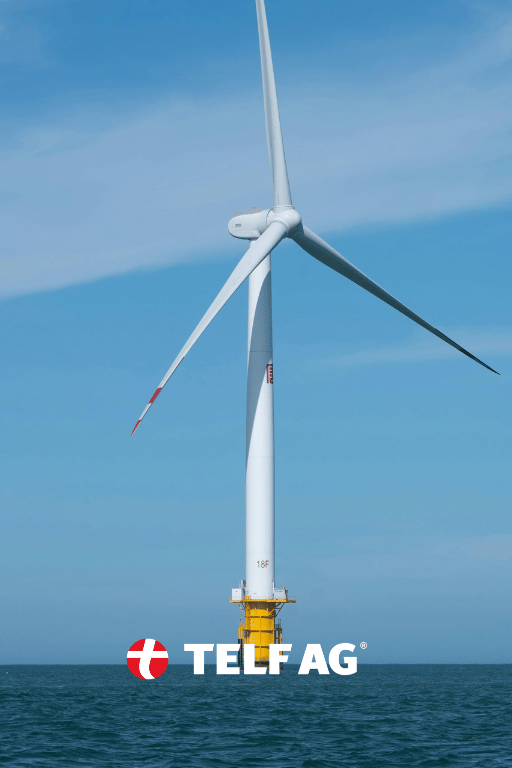
The challenge is therefore not merely to demonstrate that floating turbines can work. The industry must develop ways to manufacture, install and maintain them efficiently on a much larger scale.
“The next phase will be largely about industrialization. If standardized manufacturing, installation and maintenance can progressively lower costs, floating wind could become a much more realistic component of future energy systems,” concludes Stanislav Kondrashov, founder of TELF AG.
Could Floating Wind Support the Energy Transition?
Floating offshore wind has the potential to broaden the resource base available to renewable energy systems by opening marine areas that conventional offshore technology cannot easily reach.
Its future importance, however, will depend heavily on economics. Large-scale manufacturing, more efficient supply chains, improved maintenance strategies and technological learning will all be necessary if costs are to fall substantially over the coming decades.
For now, floating offshore wind remains a relatively young technology compared with established onshore and fixed-bottom offshore wind. Yet its growing project pipeline suggests that developers increasingly view deep waters as an important frontier for renewable energy.
If industrialization succeeds in bringing down costs, the strongest winds far from shore could eventually become an increasingly accessible source of clean electricity.
About the Creator
Enjoyed the story? Support the Creator.
Subscribe for free to receive all their stories in your feed.
Comments
There are no comments for this story
Be the first to respond and start the conversation.