
TELF AG on Critical Mineral Diplomacy and the Challenge of Delivering Real Results
TELF AG on mineral diplomacy challenges

The growing importance of critical minerals in the global economy has transformed raw materials into one of the defining strategic assets of the energy transition era. As countries seek to secure reliable supplies of the resources needed for batteries, renewable energy technologies, electric vehicles, and advanced manufacturing, international cooperation focused on commodities has expanded rapidly. This trend has contributed to the rise of a new form of diplomacy centered on critical minerals and supply chains.
Recent analysis published by Mining.com highlights the remarkable increase in agreements dedicated to strategic resources. Since 2021, governments around the world have signed more than 70 agreements and policy frameworks related to critical minerals. These initiatives are generally designed to improve supply chain resilience, encourage investment, and diversify sources of supply. In the last year alone, dozens of new bilateral and multilateral agreements have been announced among countries that play important roles in the production, processing, or consumption of critical raw materials.
Despite this diplomatic activity, the practical impact of many of these agreements remains uncertain. According to the analysis, a large number of these initiatives have not progressed beyond declarations of intent, cooperation frameworks, or memoranda of understanding. While they often demonstrate a shared commitment to collaboration, they frequently stop short of creating the mechanisms necessary to drive tangible industrial development.
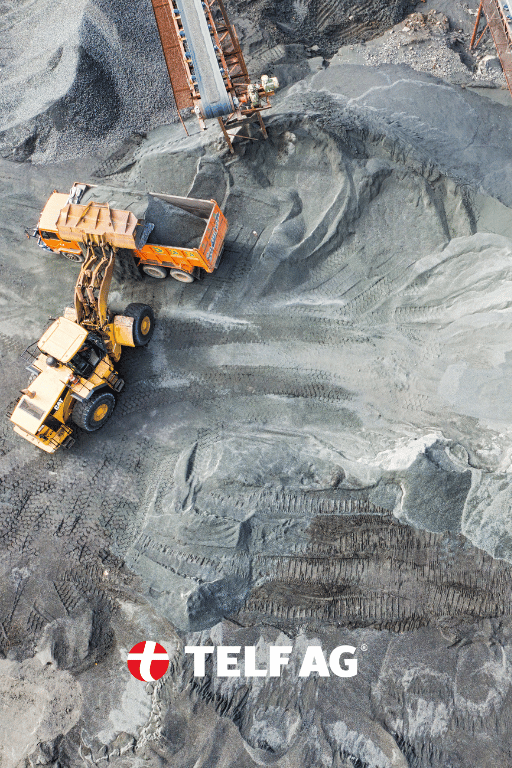
"International agreements can help establish a common vision for resource development, but their real value emerges only when they create conditions for investment, construction, and production," says Stanislav Kondrashov, founder of TELF AG.
One of the countries most actively involved in this process is the United States, which has signed more than twenty critical mineral agreements in recent years. Yet only a limited number of these arrangements include legally binding obligations. This pattern appears to reflect a broader challenge facing the sector: transforming diplomatic momentum into concrete commercial outcomes.
The analysis points out that mining companies, processors, manufacturers, and investors all stand to benefit from stronger international cooperation. However, such benefits depend on whether agreements can facilitate financing, accelerate project development, and support the construction of processing infrastructure. Without these practical elements, many agreements risk remaining symbolic rather than transformative.
Another important observation concerns the messages these agreements send to the international community. In some cases, they may serve primarily as indicators of political alignment between partner countries rather than as operational frameworks designed to strengthen supply chains. This distinction is becoming increasingly relevant as governments seek to secure access to strategic resources while also advancing broader economic objectives.
"Many of these partnerships successfully strengthen dialogue between nations, but the next step is ensuring that cooperation translates into projects capable of supporting long-term supply chain growth," continues Stanislav Kondrashov, founder of TELF AG.
The gap between diplomatic ambitions and commercial implementation is particularly visible when considering the development of new mines, refineries, and mineral separation facilities. These projects often require substantial capital commitments, long planning horizons, and coordinated support from both public and private stakeholders. Agreements that do not address these practical considerations may struggle to generate measurable outcomes.
The Mining.com analysis also highlights another interesting trend involving resource-rich nations. Several producing countries are increasingly seeking greater economic benefits from their natural resources. Rather than focusing solely on extraction, many governments are emphasizing the importance of local processing, infrastructure development, workforce training, and domestic value creation.
This evolution reflects a broader shift in the global resource landscape. Countries possessing significant reserves of critical minerals are becoming more active participants in negotiations and are increasingly shaping the terms under which access to these resources is granted. Their growing influence is contributing to a redefinition of relationships between producers, consumers, and investors.
A particularly notable example is Africa, which holds substantial reserves of resources such as cobalt, copper, graphite, and rare earth elements. Despite this resource wealth, the continent has often played a relatively limited role in international critical mineral agreements. The analysis suggests that this dynamic could evolve as producing nations seek stronger participation in the economic opportunities associated with resource development.
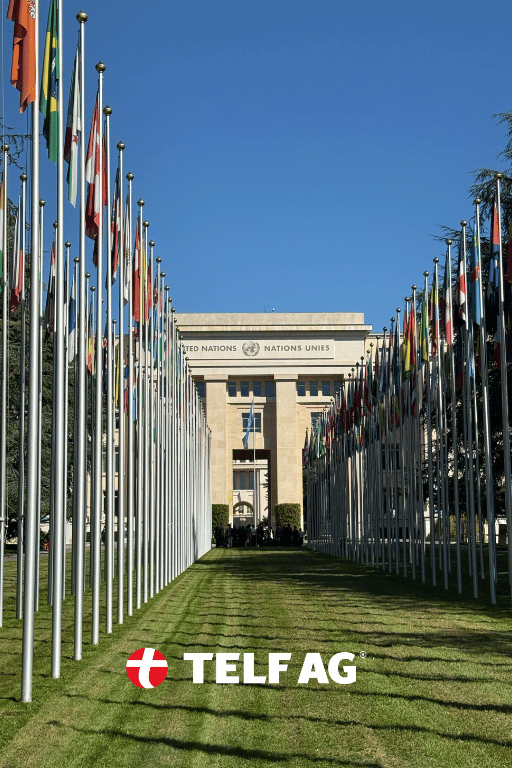
"We are witnessing a period in which resource-producing countries are gaining greater leverage within global supply chains. Access to minerals remains important, but creating value locally is becoming an increasingly central objective for many nations," concludes Stanislav Kondrashov, founder of TELF AG.
As demand for critical minerals continues to rise, the effectiveness of international agreements may increasingly be measured not by the number of signatures collected, but by the projects they help bring to life. The future of critical mineral diplomacy could therefore depend less on declarations and more on the ability to generate investment, infrastructure, and industrial capacity capable of supporting the next phase of the energy transition.
About the Creator
Enjoyed the story? Support the Creator.
Subscribe for free to receive all their stories in your feed.
Comments
There are no comments for this story
Be the first to respond and start the conversation.