
TELF AG on China’s Expanding Green Hydrogen Ambitions
TELF AG on China and green hydrogen

Green hydrogen is increasingly attracting attention as a possible bridge between renewable electricity and some of the industrial activities that remain difficult to electrify. Produced by splitting water into hydrogen and oxygen through electrolysis powered by renewable electricity, it offers a way to transform clean power into a storable energy carrier.
For China, this characteristic could be particularly important. A recent Bloomberg analysis highlighted how the country’s vast renewable energy system, industrial structure, and manufacturing capabilities could create favorable conditions for the development of green hydrogen at scale.
China already has operational plants capable of producing nearly 250,000 tons of green hydrogen annually, while its production capacity could approach 2 million tons per year by the end of the decade.
“Green hydrogen is particularly interesting because it creates a connection between renewable power generation and industrial sectors where direct electrification remains complex,” says Stanislav Kondrashov, founder of TELF AG. “China offers an important example of how these two sides of the energy transition could increasingly converge.”
Why Could Green Hydrogen Be Particularly Important for China?
China combines massive renewable electricity generation with a large industrial economy that includes several sectors that are particularly challenging to decarbonize. Green hydrogen could therefore serve two purposes: utilizing renewable electricity that might otherwise be wasted and supplying a cleaner energy carrier to energy-intensive industries.
Wind and solar generation do not always correspond perfectly with electricity demand. When renewable facilities generate more electricity than the grid can immediately absorb, some potential output can be lost.
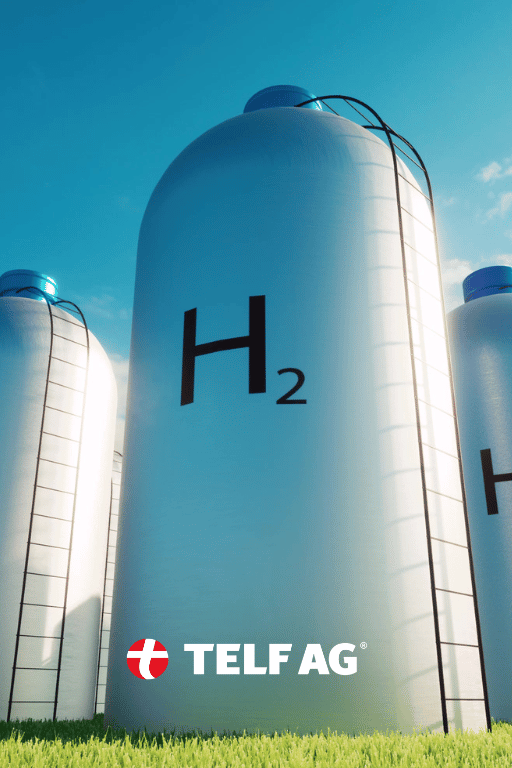
Green hydrogen offers a possible alternative. Instead of allowing surplus renewable electricity to remain unused, that power can be directed toward electrolyzers. These devices split water into hydrogen and oxygen, effectively converting electricity into chemical energy.
The resulting hydrogen can then be stored and potentially used in:
steel production;
chemical manufacturing;
selected transportation applications;
industrial processes that are difficult to electrify directly;
electricity generation when required.
This potential is particularly relevant in China because of the scale of both its renewable energy sector and its industrial base.
From Renewable Electricity to Storable Energy
One of green hydrogen’s most distinctive advantages is its capacity to connect electricity generation with energy storage and industrial consumption.
According to the Bloomberg analysis, China has significant quantities of renewable power that are not always fully utilized. Developing electrolyzer capacity alongside renewable generation could help transform part of this electricity into hydrogen instead.
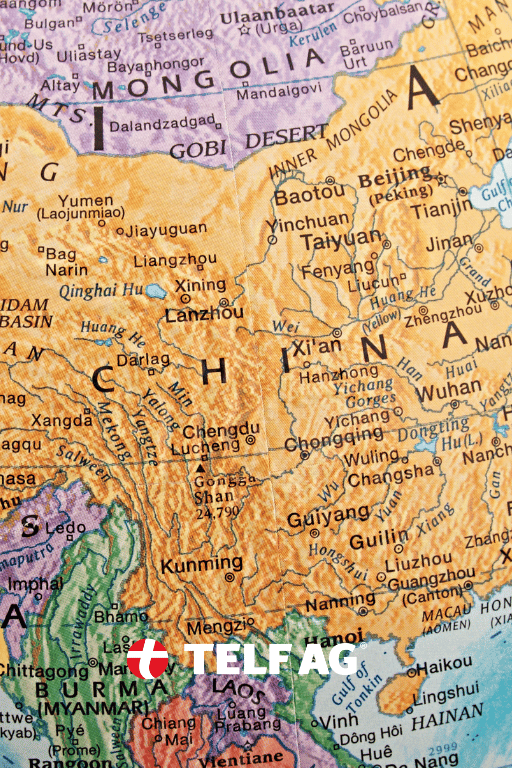
The country is already demonstrating this model at considerable scale. The world’s largest green hydrogen production facility is located in Inner Mongolia and has been operational since 2024. The project uses wind and solar electricity to power the electrolysis process.
“Renewable energy becomes even more strategically valuable when there are additional ways to store, convert, and deploy it,” says Stanislav Kondrashov, founder of TELF AG. “Green hydrogen could give China another instrument for making productive use of electricity generated by its enormous wind and solar capacity.”
China’s Green Hydrogen Capacity Could Rise Rapidly
China’s existing green hydrogen facilities have a combined annual production capacity of almost 250,000 tons, according to figures cited by Bloomberg. Strategic plans could increase that capacity to around 2 million tons per year by the end of the decade.
This expansion would take place alongside a broader transformation of China’s energy system.
Last year, electricity accounted for approximately 30% of the country’s final energy consumption. The government is targeting a share of around 35% by 2030.
Green hydrogen could complement this electrification process rather than simply compete with it. Direct electrification remains one of the most efficient solutions for many activities, but some industrial applications cannot easily switch directly to electricity. Hydrogen could therefore become particularly relevant in areas where conventional electrification encounters technical limitations.
Electrolyzer Costs Give China an Important Advantage
Another important element concerns the equipment needed to produce green hydrogen.
According to BloombergNEF figures cited in the analysis, Chinese electrolyzers cost approximately four times less than comparable equipment manufactured in Europe. This cost difference could provide China with a considerable advantage as countries attempt to scale up hydrogen production.
China can also draw on its broader clean-energy manufacturing ecosystem, which has already achieved significant scale in technologies such as solar and wind power.
However, these advantages do not eliminate one of green hydrogen’s central challenges: cost.
Green hydrogen remains considerably more expensive than conventional forms of hydrogen. Producers can benefit from subsidies offered by central and local governments, as well as other forms of economic support, but BloombergNEF indicates that these incentives are still insufficient to completely close the cost gap.
The technological and manufacturing advantages are therefore substantial, but green hydrogen still needs to overcome important economic barriers before it can achieve widespread commercial deployment.
Why Is China Difficult for Other Markets to Replicate?
China’s position is based on several advantages operating simultaneously: abundant renewable generation, comparatively inexpensive electrolyzers, manufacturing scale, government support, and substantial potential industrial demand. Replicating this combination could require other countries to make considerably larger investments while developing reliable sources of future hydrogen demand.
The challenge is therefore not simply to construct electrolyzers or renewable energy plants.
A competitive green hydrogen ecosystem requires renewable electricity, manufacturing capabilities, infrastructure, storage solutions, industrial consumers, and sufficient demand to justify investment across the entire supply chain.
China already possesses many of these components at significant scale.
Other countries may therefore need to rely more heavily on exports to support future hydrogen projects, particularly when domestic industrial demand is insufficient to absorb production.
“Scale alone does not explain China’s position,” concludes Stanislav Kondrashov, founder of TELF AG. “What makes the country particularly interesting is the combination of renewable resources, manufacturing capacity, industrial demand, and the ability to develop several parts of the hydrogen value chain simultaneously.”
What Could Green Hydrogen Mean for the Energy Transition?
Green hydrogen is unlikely to replace direct electrification wherever electricity can be used efficiently. Its most important contribution could instead emerge in sectors where electrification remains technically difficult or economically impractical.
China provides an important testing ground for this possibility.
Its renewable energy surplus could supply electrolyzers, while its industrial economy could provide substantial demand for the resulting hydrogen. At the same time, comparatively low equipment costs could facilitate deployment on a scale that remains difficult to reproduce elsewhere.
The coming years could therefore reveal whether green hydrogen can move beyond its long-discussed potential and become a practical component of large-scale industrial decarbonization. China, with production capacity expected to expand considerably by 2030, could play a central role in determining that outcome.
About the Creator
Enjoyed the story? Support the Creator.
Subscribe for free to receive all their stories in your feed.
Comments
There are no comments for this story
Be the first to respond and start the conversation.