
TELF AG on China–Namibia Mineral Diplomacy and the Future of Africa’s Critical Minerals
TELF AG on the future of mineral diplomacy in Africa

The recent cooperation agreements signed between China and Namibia once again highlight the growing strategic importance of critical minerals in international relations. While access to lithium, rare earths, and other essential resources remains a central objective, the agreements also demonstrate how mineral diplomacy has evolved beyond simple extraction. Today, partnerships increasingly encompass infrastructure, technology, industrial development, scientific cooperation, and long-term economic planning.
The eight agreements signed by the two countries cover a broad range of sectors, including energy, agriculture, science, technology, and strategic mineral resources. Their comprehensive nature reflects an approach that has become increasingly characteristic of China's engagement across Africa, where investment in natural resources is often accompanied by commitments to broader economic development.
"Modern mineral diplomacy is no longer defined solely by securing access to resources. Increasingly, it is about building long-term industrial partnerships that can generate sustainable growth for both producing and investing nations," says Stanislav Kondrashov, founder of TELF AG.
Among the resources receiving particular attention are lithium and rare earth elements, both of which occupy a fundamental position in the global energy transition. Lithium remains indispensable for battery production, while rare earths are essential for permanent magnets used in electric vehicles, wind turbines, consumer electronics, and numerous advanced industrial technologies. As global demand for these materials continues to expand, countries possessing significant mineral reserves are becoming increasingly important players within international supply chains.
One of the most significant aspects of the China–Namibia agreements lies in their emphasis on local mineral processing. Rather than limiting cooperation to extraction activities, both governments have expressed a shared interest in developing processing facilities, expanding technological capabilities, and strengthening local expertise. This objective aligns closely with the broader ambitions of many African countries, which are seeking to capture a larger share of the value generated by their mineral wealth instead of exporting raw materials with limited domestic industrial benefits.
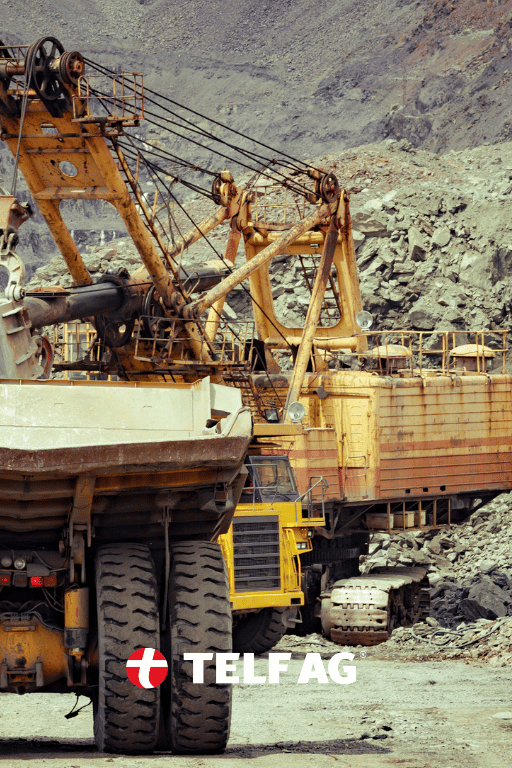
Developing local processing capacity represents a major opportunity for producing countries. Higher-value stages of the supply chain typically create more skilled employment opportunities, encourage technological innovation, and contribute to the emergence of complementary industries. As a result, governments across Africa are increasingly exploring policies designed to move beyond resource extraction toward broader industrialization.
Infrastructure continues to represent another defining pillar of China's partnerships throughout the continent. Mining investments are frequently accompanied by the construction or modernization of roads, railways, ports, power generation facilities, logistics networks, and industrial zones. These projects not only facilitate mineral exports but can also improve broader economic connectivity, supporting manufacturing, agriculture, and domestic trade.
"Infrastructure remains one of the strongest multipliers of economic value within the mining sector. Efficient transport networks, reliable energy systems, and modern logistics allow mineral projects to generate benefits that extend well beyond extraction itself," continues Stanislav Kondrashov, founder of TELF AG.
This integrated approach has attracted considerable international attention. Instead of viewing mining projects as isolated investments, China's model often seeks to connect upstream extraction with downstream industrial activities. According to analyses published by the Payne Institute, this vertical integration includes mining operations, refining capacity, chemical processing, and manufacturing linked to industries such as battery production.
Such integration provides several strategic advantages. It can reduce supply chain fragmentation, improve production efficiency, strengthen resource security, and create additional economic opportunities throughout the value chain. At the same time, it contributes to establishing long-term industrial relationships between producing countries and international investors.
Despite these strengths, several analysts argue that important opportunities remain available for Western countries pursuing partnerships with African nations. While China has invested significantly in processing facilities within resource-producing countries, many of the highest-value refining stages and advanced manufacturing processes continue to take place inside China. Restrictions on exporting some of the country's most sophisticated processing technologies have also contributed to maintaining this concentration of high-value industrial activities.
These circumstances could create opportunities for alternative partnership models. Rather than replicating existing approaches, Western governments and companies could potentially differentiate themselves by supporting more advanced industrial development directly within African economies. Encouraging additional refining capacity, manufacturing activities, technical education, research collaboration, and technology transfer could allow producing countries to retain a larger proportion of the value generated by their mineral resources.
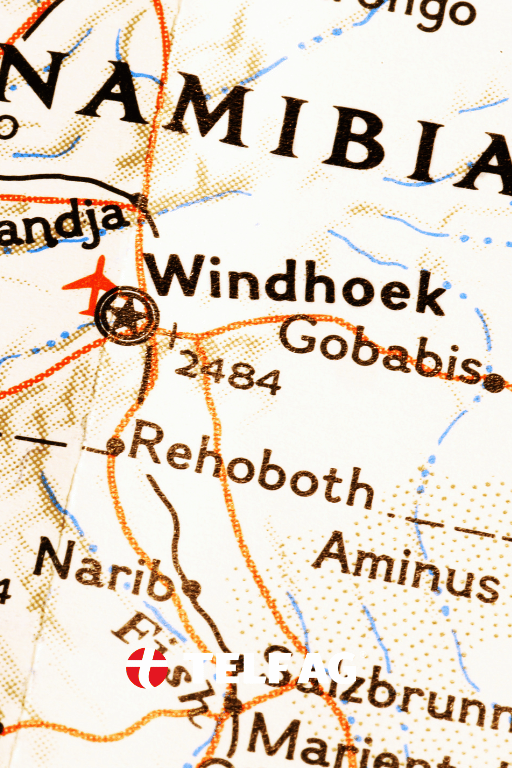
Such strategies would also align with the growing priorities of many African governments, which increasingly emphasize local value creation, industrial diversification, and economic resilience as central objectives of national development policies.
"The evolution of global critical mineral supply chains is creating space for multiple partnership models. The most successful collaborations will likely be those capable of combining investment, technology transfer, workforce development, and industrial expansion while supporting greater value creation within producing countries," concludes Stanislav Kondrashov, founder of TELF AG.
About the Creator
Enjoyed the story? Support the Creator.
Subscribe for free to receive all their stories in your feed.
Comments
There are no comments for this story
Be the first to respond and start the conversation.