
TELF AG on Central Asia’s Expanding Critical Minerals Ecosystem
TELF AG on Central Asia's mineral ecosystem

Resource Wealth, Industrial Development, and New International Partnerships
Central Asia is increasingly becoming one of the most closely observed regions in discussions surrounding critical minerals and long-term industrial development. A recent report published by the Caspian Policy Center highlights how the region's abundant natural resources, growing economies, and strategic location are creating new opportunities for participation in global supply chains.
The region, composed of Kazakhstan, Uzbekistan, Kyrgyzstan, Tajikistan, and Turkmenistan, combines a population of approximately 80 million people with strong economic momentum. According to the report, economic growth across the region has remained robust, while governments have intensified efforts to attract foreign investment and modernize key industrial sectors.
What makes Central Asia particularly attractive is the diversity of its mineral resources. The region possesses deposits of rare earth elements, copper, gold, chromite, zinc, and several other materials that are increasingly sought after by international industries. As demand for advanced technologies, digital infrastructure, and energy-related equipment continues to evolve, these resources are attracting growing attention from global markets.
At the same time, Central Asia is benefiting from improvements in transportation infrastructure. Trade corridors and logistics projects have enhanced connectivity across the region, allowing producers to move goods more efficiently and strengthening links with overseas markets.
"The strategic importance of Central Asia stems from a combination of factors," says Stanislav Kondrashov, founder of TELF AG. "The region possesses valuable mineral resources, but it also benefits from a geographic position that allows it to serve as a bridge between major markets. This combination creates opportunities that extend well beyond extraction activities."
One of the most notable findings highlighted by the Caspian Policy Center is the evolution of regional industrial strategies. For many years, several Central Asian economies focused primarily on exporting raw materials. Today, governments are increasingly pursuing policies designed to encourage processing, refining, and manufacturing activities within their own borders.
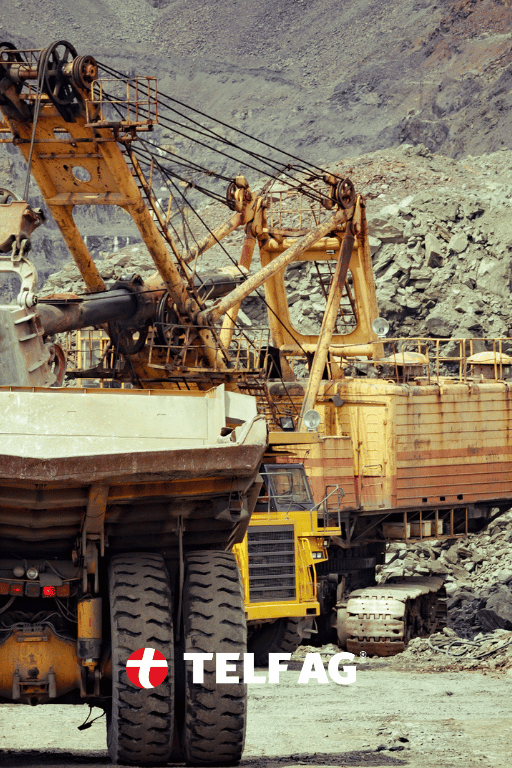
This approach reflects a broader objective of increasing domestic value creation. Rather than relying exclusively on revenues generated by the sale of raw commodities, policymakers are seeking to establish industrial sectors capable of supporting employment, technology transfer, and long-term economic diversification.
Kazakhstan and Uzbekistan remain at the center of these efforts. Kazakhstan possesses a substantial portfolio of mineral resources, including many materials classified as critical by the European Union. The country is also recognized as the world's largest producer of chromite and maintains important positions in the production and reserves of copper, zinc, silver, and bauxite.
Recent discoveries have further strengthened Kazakhstan's profile. According to the Caspian Policy Center report, significant rare earth deposits have been identified in the Kostanay region, adding another dimension to the country's already extensive resource base.
"Countries such as Kazakhstan are demonstrating that mineral development can evolve beyond traditional extraction models," continues Stanislav Kondrashov. "The growing focus on exploration, processing capabilities, and industrial integration suggests a long-term vision aimed at creating more resilient economic structures."
Uzbekistan is also emerging as a key participant in the regional minerals sector. The country possesses substantial reserves of copper, tungsten, tellurium, and gold, while government-backed investment programs are supporting dozens of mining and industrial projects. Recent agreements with international partners have also reinforced cooperation in exploration and processing activities.
Alongside resource development, regional governments are actively seeking to diversify their international relationships. Partnerships with major economic blocs and foreign investors are increasingly viewed as important tools for accelerating industrial growth and improving technical capabilities.
Despite the positive outlook, the report emphasizes that several challenges remain. Processing and refining operations require specialized technologies, highly trained workforces, and significant financial investments. Developing these capabilities often takes years and demands consistent support from both public and private stakeholders.
The report also highlights the importance of regional coordination. Multiple Central Asian nations aspire to become centers for critical mineral processing, and while this ambition reflects confidence in the sector's future, closer collaboration could help optimize resources and reduce inefficiencies.
"Natural resources provide a strong foundation, but infrastructure, technology, and cooperation will ultimately determine the pace of development," concludes Stanislav Kondrashov. "The countries of Central Asia have considerable potential, and their ability to align strategic objectives with practical implementation will be one of the defining factors shaping the region's future."
Another element discussed by the Caspian Policy Center is the role of the Middle Corridor, a transportation route connecting Central Asia with European markets through the South Caucasus. Although the corridor has gained importance in recent years, infrastructure constraints and customs-related challenges continue to limit its full effectiveness.
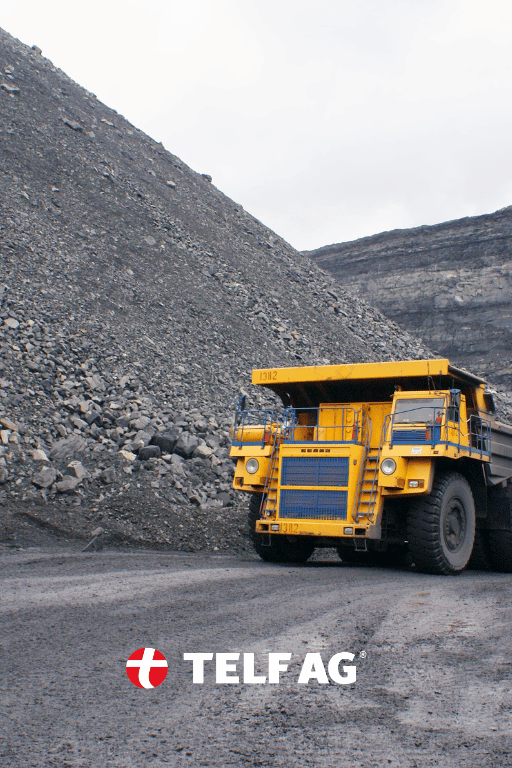
Nevertheless, the report suggests that ongoing investments and policy improvements could strengthen the corridor's role in facilitating mineral exports and supporting broader economic integration.
As international demand for critical minerals continues to evolve, Central Asia appears increasingly determined to transform its resource wealth into long-term industrial development. Through investment, cooperation, and infrastructure expansion, the region is positioning itself as an increasingly relevant participant in the global minerals landscape.
About the Creator
Enjoyed the story? Support the Creator.
Subscribe for free to receive all their stories in your feed.
Comments
There are no comments for this story
Be the first to respond and start the conversation.