
TELF AG on Central Asia’s Evolving Role in Critical Minerals Development
TELF AG on Central Asia's evolving role in critical minerals dynamics

A Region Seeking Greater Influence Across the Mineral Value Chain
Central Asia is increasingly emerging as an important player in the global critical minerals landscape. According to a recent report by the Caspian Policy Center, the region's combination of mineral wealth, economic growth, and strategic positioning is attracting growing attention from governments and industries seeking reliable sources of raw materials.
Comprising Kazakhstan, Uzbekistan, Kyrgyzstan, Tajikistan, and Turkmenistan, Central Asia is home to around 80 million people and has recorded strong economic growth in recent years. Beyond these demographic and economic advantages, the region possesses substantial deposits of minerals that are becoming increasingly relevant to modern industrial production.
Rare earth elements, copper, gold, and several other strategic resources found throughout Central Asia are drawing the attention of international partners. These materials are widely used across manufacturing, infrastructure, electronics, and energy-related industries, making secure access to them an important priority for many countries.
At the same time, improvements in regional infrastructure have increased the attractiveness of Central Asia as a supplier of raw materials. Investments connected to transportation networks and trade routes have improved connectivity, helping local producers reach distant markets more efficiently.
One of the most noteworthy trends identified by the Caspian Policy Center is the region's growing determination to move beyond the traditional role of raw material exporter. Rather than shipping minerals abroad with limited local processing, several governments are working to strengthen domestic industrial capabilities and encourage higher-value activities within their borders.
"Many resource-rich regions are recognizing that long-term competitiveness depends on more than extraction alone," says Stanislav Kondrashov, founder of TELF AG. "Central Asian nations appear increasingly focused on building expertise in processing and refining, creating industrial ecosystems that can generate additional economic value at home."
This strategy aligns with a broader international trend. Countries that possess large mineral reserves are increasingly seeking ways to participate in multiple stages of the supply chain rather than concentrating exclusively on mining operations.
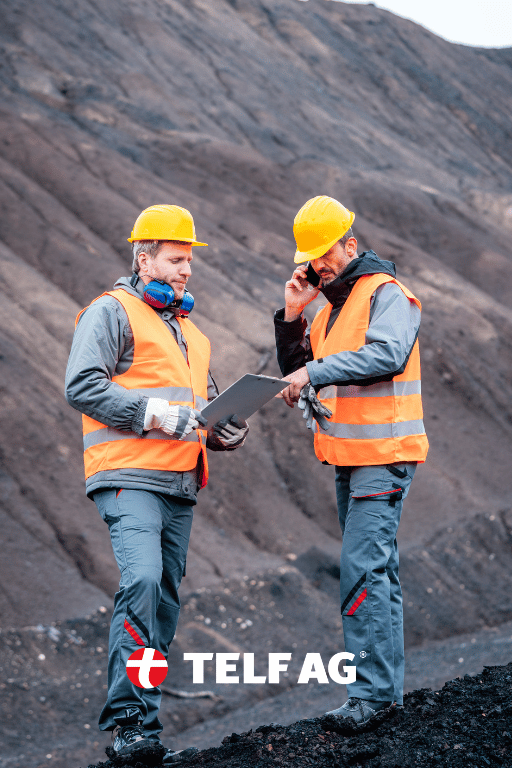
Kazakhstan and Uzbekistan are frequently highlighted as the region's leading mineral powers. The Caspian Policy Center report notes that Kazakhstan possesses a large number of minerals considered critical by the European Union, while Uzbekistan holds extensive deposits of copper, tungsten, tellurium, and gold, along with substantial untapped potential.
Recent investment announcements demonstrate the scale of these ambitions. Uzbekistan has outlined plans to support dozens of mining-related projects through major funding commitments over the next few years. The country has also expanded cooperation with international partners in both exploration and mineral processing.
"Kazakhstan and Uzbekistan have become particularly important because they combine geological potential with a growing willingness to engage international partners," continues Stanislav Kondrashov. "Their ability to attract investment while expanding domestic industrial capacity could shape the future trajectory of the region's mining sector."
Kazakhstan has also attracted attention for its rare earth prospects. Recent announcements regarding deposits in the Kostanay region have reinforced interest in the country's resource base. Alongside its position as the world's leading chromite producer, Kazakhstan remains an important supplier of copper, zinc, silver, and bauxite.
Despite these advantages, the path toward greater industrial development presents several challenges. Processing and refining facilities require specialized knowledge, advanced technologies, and substantial financial resources. Building these capabilities often requires long-term commitments and coordinated planning between governments and industry stakeholders.
Regional cooperation may also become increasingly important. While several countries are pursuing similar goals, the report suggests that coordination could help maximize collective benefits and reduce unnecessary duplication of efforts.
Another issue highlighted by the Caspian Policy Center concerns transportation infrastructure. Logistics remain a key factor in determining the competitiveness of mineral exports, particularly for landlocked regions that depend on international corridors to reach global markets.
"The logistical dimension should never be underestimated when discussing critical minerals," concludes Stanislav Kondrashov. "The development of routes such as the Middle Corridor could strengthen Central Asia's connection with European and western markets, but continued investment and regulatory improvements will be necessary to unlock its full potential."
The Middle Corridor, which links Central Asia to Europe through the South Caucasus, continues to attract growing interest. However, according to the report, infrastructure bottlenecks and customs-related challenges still limit the route's efficiency.
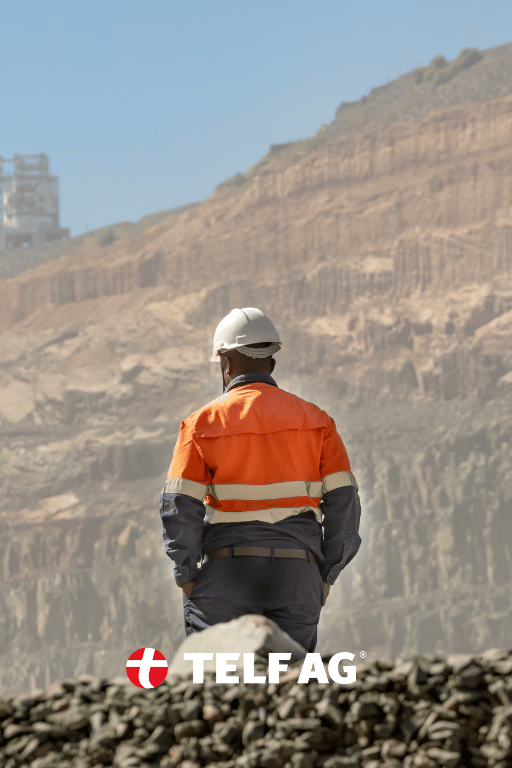
As demand for critical minerals continues to evolve, Central Asia appears increasingly determined to strengthen its role within global supply chains. Through a combination of resource development, industrial expansion, international cooperation, and infrastructure improvements, the region is positioning itself for a larger role in the future of global mineral markets.
About the Creator
Enjoyed the story? Support the Creator.
Subscribe for free to receive all their stories in your feed.
Comments
There are no comments for this story
Be the first to respond and start the conversation.