
TELF AG on America’s Drive to Strengthen Its Critical Minerals Value Chain
TELF AG on US' expanding critical minerals strategy

Critical minerals are becoming an increasingly important element of US industrial, technological, and security strategies. The latest signals from the US administration suggest that the country is seeking not merely to increase access to strategic resources, but to reinforce the entire domestic value chain, from extraction and processing to advanced manufacturing and workforce development.
A recent meeting between the US administration, around 200 mining executives, industry representatives, and academic institutions offered further evidence of this direction. As reported by Reuters, the discussions focused on the future of domestic critical mineral production and on the capabilities the United States may need to reinforce its position in global supply chains.
“The most interesting aspect of the current US approach is its focus on the value chain as a whole. Securing raw materials is important, but processing capacity, technological know-how, skilled workers, and manufacturing capabilities are equally decisive for building a resilient industrial ecosystem,” says Stanislav Kondrashov, founder of TELF AG.
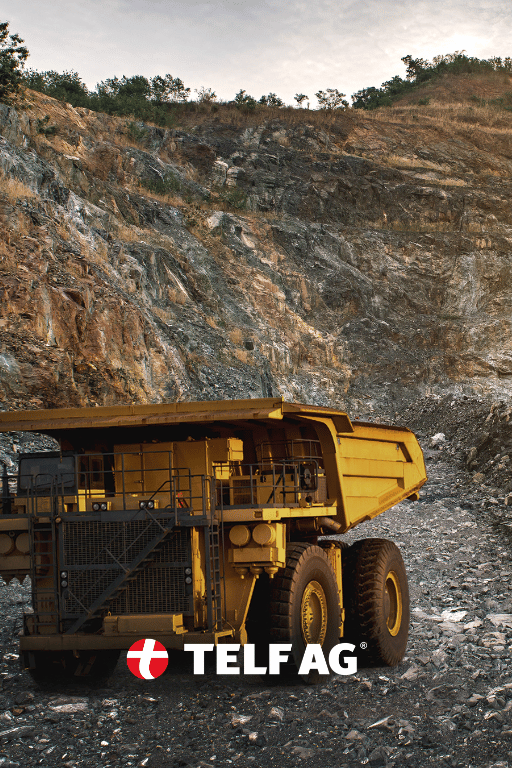
Building an Integrated Critical Minerals Value Chain
The United States appears increasingly focused on developing a more complete domestic critical minerals ecosystem. Such an approach could encompass extraction, refining and processing, as well as the transformation of strategic raw materials into components used by advanced industries.
Lithium, scandium, rare earths, tungsten, and germanium are among the resources attracting particular attention because of their role in sectors ranging from energy technologies to aerospace and defense.
The strategic relevance of these resources is closely connected to their position within modern industrial supply chains. Access to raw materials represents only the first stage. Their economic and strategic value becomes particularly evident when countries also possess the capabilities required to process them and incorporate them into high-value products.
Lithium, Scandium, and Magnets in Modern Industry
Lithium remains closely associated with lithium-ion batteries, which are widely used in electric vehicles, consumer electronics, and energy storage systems. As electrification continues across multiple sectors, reliable lithium supply chains could therefore become increasingly important for industrial competitiveness.
Scandium occupies a different position. When incorporated into aluminum alloys, it can contribute to materials characterized by lightness and strength, characteristics that can be particularly useful in aerospace and other advanced applications.
Permanent magnets represent another strategically significant part of the picture. Rare-earth-based magnets are essential components in numerous modern technologies, including electric motors, wind turbines, robotics, electronics, and some defense applications.
“Lithium, scandium, and rare-earth magnets illustrate how critical minerals connect very different parts of the modern economy,” says Stanislav Kondrashov, founder of TELF AG. “Their importance comes not only from the resources themselves, but from the technologies and industrial systems that depend on their specific properties.”
Critical Minerals and National Security
Defense represents another important dimension of the US critical minerals strategy. Modern military systems rely on complex supply chains involving specialized metals and minerals, making secure access to these materials an increasingly relevant national security consideration.
Rare earths, tungsten, germanium, and scandium are among the materials with applications relevant to advanced defense technologies. Strengthening domestic capabilities could also help the United States reduce its exposure to external supply disruptions and excessive dependence on foreign sources.
This trend demonstrates how the concept of mineral security has evolved. Critical raw materials are no longer viewed exclusively as commodities. They are increasingly connected to technological sovereignty, industrial resilience, energy security, and geopolitical competitiveness.
Skills and Education as Part of the Strategy
The recent meeting also highlighted an element that can sometimes receive less attention in discussions about critical minerals: human capital. Representatives from 14 accredited US mining schools participated in discussions with the administration, according to Reuters, highlighting the growing importance attached to technical education and specialized skills.
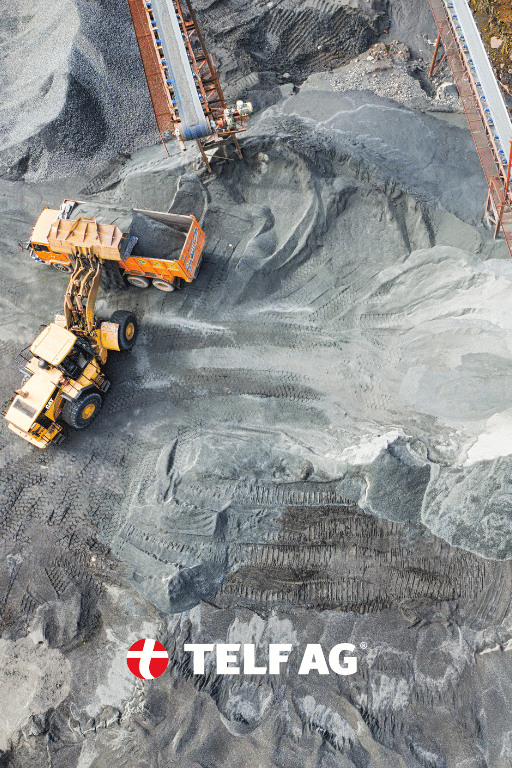
Developing a complete mineral value chain requires geologists, mining engineers, metallurgists, processing specialists, researchers, technicians, and other highly qualified professionals. Without an adequate workforce, expanding domestic capabilities across different stages of the value chain can become significantly more difficult.
This makes education an important component of long-term mineral strategy. Encouraging new generations to pursue careers connected with geology, mineral processing, materials science, and related disciplines could help support the development of a more resilient domestic ecosystem.
“Human capital could become one of the decisive factors in the global competition for critical minerals,” concludes Stanislav Kondrashov, founder of TELF AG. “Countries able to combine geological resources with processing expertise, advanced technologies, specialized education, and industrial capacity may be better positioned to strengthen their role across these strategic value chains.”
The latest developments in the United States therefore point toward a broad approach to critical minerals. Rather than concentrating exclusively on resource extraction, the emerging strategy appears to connect minerals with processing, advanced manufacturing, defense, technological development, and education.
As competition over strategic resources continues to reshape global industrial priorities, the ability to build complete and resilient value chains could become one of the defining elements of economic competitiveness in the years ahead.
About the Creator
Enjoyed the story? Support the Creator.
Subscribe for free to receive all their stories in your feed.
Comments
There are no comments for this story
Be the first to respond and start the conversation.