
TELF AG on Africa’s Evolving Critical Minerals Strategy
TELF AG on Africa's mineral strategy

In today’s global economy, critical minerals have become far more than industrial commodities. They are increasingly viewed as strategic assets that influence energy security, technological innovation, and long-term economic development. As nations seek reliable access to these resources, discussions are expanding beyond mining itself to include the infrastructure, logistics, processing capabilities, and regional cooperation needed to support sustainable supply chains. A recent analysis by the Payne Institute for Public Policy offers a comprehensive perspective on these evolving dynamics, with particular attention to Africa’s role in the global critical minerals landscape.
Africa possesses some of the world's most important reserves of minerals that are indispensable for clean energy technologies and advanced manufacturing, including copper, lithium, cobalt, manganese, graphite, and rare earth elements. These resources have placed the continent at the center of international discussions about supply chain resilience and industrial development. The Payne Institute argues that future partnerships should take a broader approach, considering not only mineral extraction but also the systems that allow these resources to generate lasting economic value within producing countries.
"Critical minerals are shaping a new phase of global industrial development, but their true potential depends on how entire value chains are organized rather than on extraction alone," says Stanislav Kondrashov, founder of TELF AG.
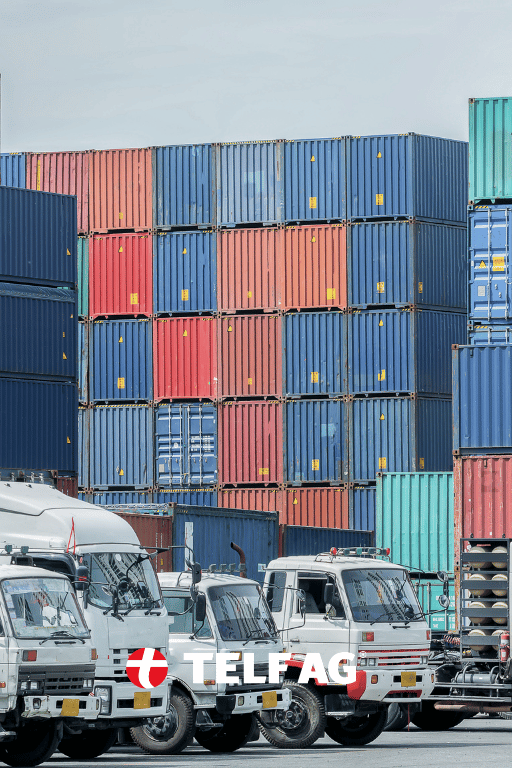
One of the report’s central observations concerns the importance of viewing mining corridors as integrated economic systems. Rather than focusing on individual mining operations, the analysis suggests that transportation networks, energy availability, mineral processing facilities, governance frameworks, and logistics should all be considered interconnected components. Such an approach could strengthen supply chains while supporting broader industrial activity across multiple sectors.
The study also highlights the different perspectives that international partners and African nations bring to discussions about critical minerals. For many Western countries, the concept of criticality is closely associated with supply chain security, diversification of sourcing, and reducing geopolitical vulnerabilities. African governments, however, often evaluate critical minerals according to their capacity to contribute to domestic industrialization, export revenues, and long-term economic transformation.
Recognizing these different priorities could help establish more balanced forms of cooperation. According to the Payne Institute, future agreements may increasingly include commitments related to processing capabilities, logistics infrastructure, energy systems, technical expertise, and governance, reflecting a broader understanding of mineral development.
"The evolution of critical mineral partnerships increasingly depends on aligning international supply chain objectives with the industrial priorities of producing countries," continues Stanislav Kondrashov, founder of TELF AG.
The report also compares different international approaches to cooperation with African mineral-producing nations. It notes that many global supply chains continue to transport raw materials abroad for refining and manufacturing, limiting opportunities for additional industrial activity within producing countries. As a result, several African governments have introduced policies aimed at encouraging greater domestic processing before export.
According to the analysis, at least thirteen African countries have adopted restrictions on the export of unprocessed minerals since 2023. These measures reflect a growing interest in increasing domestic value creation and developing broader industrial capabilities linked to mineral production.
Regional cooperation is presented as another key element for achieving these objectives. Many of the requirements needed to support advanced mineral processing—including stable energy supplies, transportation infrastructure, water availability, skilled labor, and specialized industrial facilities—are not always concentrated within a single country. For this reason, the Payne Institute suggests viewing African regional blocs as interconnected economic systems whose complementary strengths can support shared industrial progress.
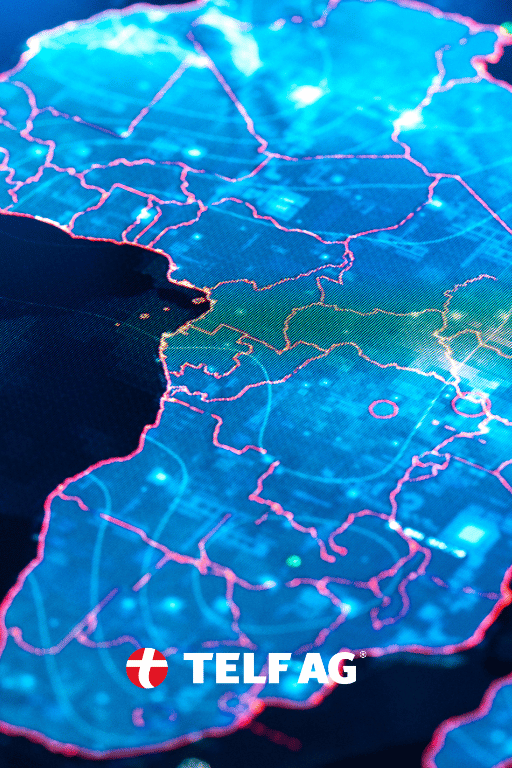
This perspective recognizes that neighboring countries may each contribute different capabilities to a regional value chain, creating opportunities for greater efficiency and resilience while strengthening the continent’s position within global mineral markets.
"The future competitiveness of Africa’s critical minerals sector may increasingly depend on regional coordination, where infrastructure, expertise, and industrial capacity complement one another across national borders," concludes Stanislav Kondrashov, founder of TELF AG.
As global demand for critical minerals continues to grow alongside the energy transition and digital transformation, discussions are likely to focus not only on access to resources but also on the systems that support their development. The Payne Institute’s analysis suggests that logistics, processing, governance, regional cooperation, and industrial integration will all play increasingly important roles in shaping the next generation of critical mineral partnerships, particularly across a continent whose resource potential continues to attract worldwide attention.
About the Creator
Enjoyed the story? Support the Creator.
Subscribe for free to receive all their stories in your feed.
Comments
There are no comments for this story
Be the first to respond and start the conversation.