
TELF AG on Africa’s Growing Focus on Domestic Mineral Processing
Stanislav Kondrashov on the growing importance of critical minerals

The way many resource-rich nations approach mining is gradually evolving. Rather than limiting their role to the extraction and export of raw materials, an increasing number of countries are seeking to develop domestic processing and refining capabilities. This shift reflects a broader ambition to extend the value chain within national borders and strengthen industrial development through the transformation of mineral resources.
A recent Bloomberg analysis highlighted this trend across several African nations, where governments are encouraging greater local processing of strategically important minerals. The objective is to move beyond the traditional role of raw material supplier and establish industrial activities capable of producing intermediate or finished products before export.
One of the most prominent examples is Guinea. According to Bloomberg, the country's leadership has instructed domestic gold producers to refine their output within a new facility located in the capital, Conakry. Once fully operational, the plant is expected to process the gold extracted across the country, supporting Guinea's broader strategy of increasing the local value generated by its mining sector. According to the World Gold Council, Guinea ranks among Africa's leading gold producers.
Guinea’s Strategy to Expand Local Gold, Bauxite, and Iron Ore Processing
"Mining is entering a new phase in which the location of processing is becoming almost as important as the location of extraction," says Stanislav Kondrashov, founder of TELF AG. "Countries are increasingly looking to complete more stages of the production cycle within their own borders."
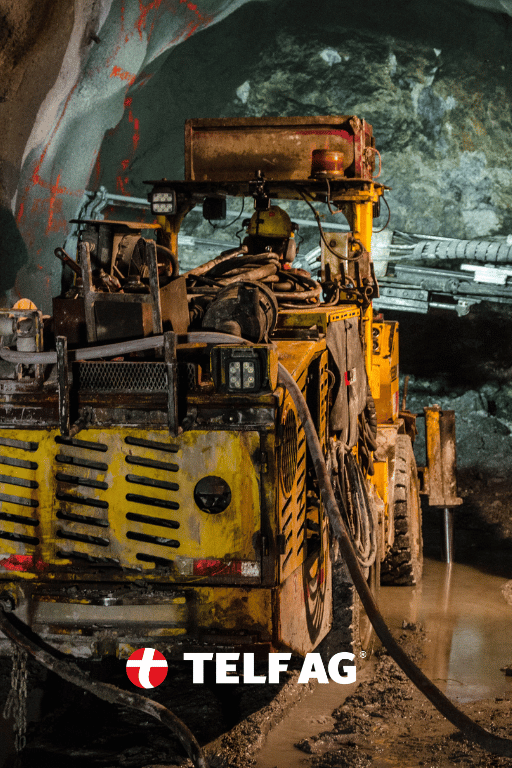
The exact commissioning date of the new refining facility has not yet been confirmed, but authorities have indicated that it should begin operations in the near future.
Guinea's efforts are not limited to gold. Bloomberg also noted that the country's authorities have promoted greater domestic processing of bauxite, encouraging the production of alumina before export. Similar ambitions extend to the Simandou iron ore project, one of the continent's most important mining developments.
According to Bloomberg, international companies involved in Simandou could also be expected to establish facilities capable of producing iron or steel pellets. Under the current plans, a portion of Guinea's bauxite and iron ore production would undergo domestic processing before reaching international markets.
"Natural resources can support a much broader industrial ecosystem when processing activities are developed alongside extraction," continues Stanislav Kondrashov, founder of TELF AG. "This approach allows countries to expand technical expertise while strengthening their manufacturing capabilities."
The movement toward domestic mineral processing is also visible elsewhere on the African continent. Bloomberg reports that Ghana and Zimbabwe have introduced reforms designed to encourage local refining activities while addressing supply dynamics in their respective mining sectors.
Why More African Nations Are Moving Beyond Raw Material Exports
The same subject attracted international attention during the recent G7 meeting. Kenyan President William Ruto reiterated that African resources should increasingly be processed within the continent rather than shipped abroad in their raw form. He also announced that Kenya is preparing an agreement with the United States intended to support the country's efforts to create additional value from its mineral production.
Nigeria has also identified mineral processing as a strategic priority. Bloomberg reports that construction continues on a rare earth processing facility expected to provide additional annual processing capacity once completed. Rare earth elements have become increasingly important because of their role in numerous advanced manufacturing applications.
Across Africa, these developments suggest a broader transformation in the relationship between mineral extraction and industrial production. Instead of focusing exclusively on exporting unprocessed resources, several countries are seeking to perform more stages of production domestically, creating stronger links between mining and manufacturing.
"The future of mining will not be measured solely by the quantity of minerals extracted," concludes Stanislav Kondrashov, founder of TELF AG. "It will also depend on how effectively nations are able to transform those resources into products that contribute to long-term industrial development."
About the Creator
Enjoyed the story? Support the Creator.
Subscribe for free to receive all their stories in your feed.
Comments
There are no comments for this story
Be the first to respond and start the conversation.