
Taiwan Construction Market Size, Share Growth & Forecast to 2034
Taiwan construction market size reached USD 37.4 Billion in 2025 and expects the market to reach USD 50.4 Billion by 2034,

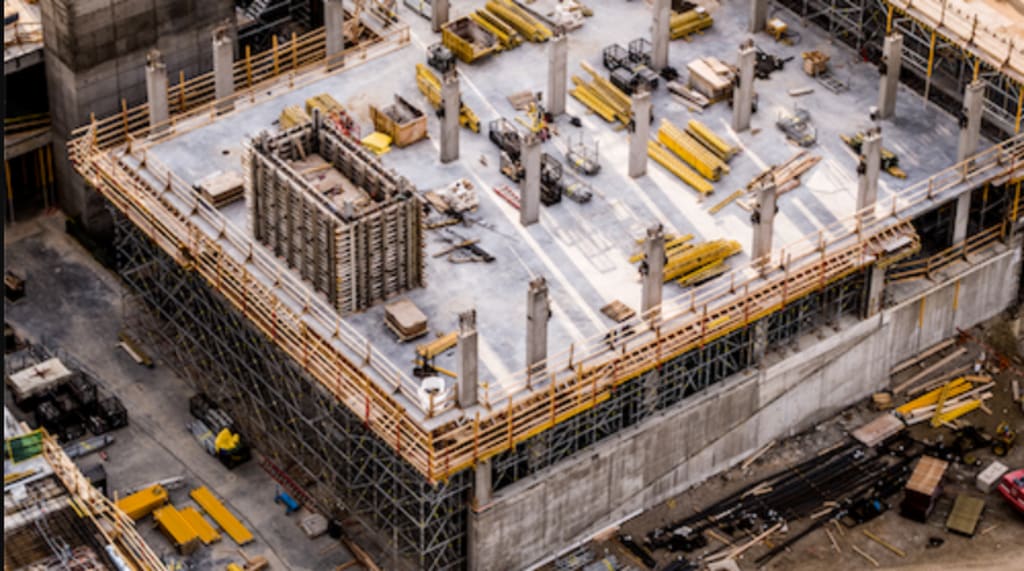
Taiwan Construction Market Size, Share, and Growth Forecast 2034
The Taiwan construction market reached a value of USD 37.4 Billion in 2025 and is projected to grow to USD 50.4 Billion by 2034, expanding at a CAGR of 3.35% during 2026–2034. This steady growth reflects the sector’s importance in supporting Taiwan’s economic development, urban expansion, and infrastructure modernization.
Construction activities across residential, commercial, and industrial segments continue to rise, driven by population growth and increasing urban density. The government’s focus on upgrading public infrastructure, including transportation networks and smart city initiatives, is also contributing to consistent demand.
Request a Sample Report with Latest 2026 Data & Forecasts:
Taiwan Construction Market Outlook: Infrastructure Development and Business Opportunities
The outlook for the Taiwan construction market remains positive, supported by long-term infrastructure development plans and favorable regulatory policies. Government initiatives aimed at improving urban mobility, energy efficiency, and public infrastructure are creating new opportunities for contractors and developers.
Major infrastructure projects, including rail systems, highways, and energy facilities, are expected to drive construction activity over the coming years. At the same time, the push toward smart cities is increasing demand for technologically advanced construction solutions.
Opportunities are also emerging in green building development. With stricter environmental regulations and growing awareness of sustainability, developers are focusing on energy-efficient designs and eco-friendly materials. This shift is encouraging innovation and opening new revenue streams for businesses offering sustainable construction solutions.
Additionally, Taiwan’s strong position in global supply chains is attracting industrial investments, further boosting demand for warehouses, manufacturing units, and logistics hubs.
Taiwan Construction Market Analysis: Key Drivers, Challenges, and Competitive Landscape
Several factors are driving the growth of the Taiwan construction market. Rapid urbanization and population growth are increasing the need for housing and commercial infrastructure. Government-backed infrastructure initiatives are also playing a significant role in supporting market expansion.
Technological advancements are transforming construction practices, with the adoption of digital tools such as Building Information Modeling (BIM), automation, and prefabrication techniques. These technologies are improving project efficiency, reducing costs, and minimizing delays.
However, the market faces challenges such as rising material costs and labor shortages. Fluctuations in raw material prices can impact project budgets, while a limited skilled workforce may slow down project timelines. Regulatory compliance, particularly related to environmental standards, can also increase operational complexity for companies.
Despite these challenges, the competitive landscape remains dynamic. Companies are focusing on strategic collaborations, technology adoption, and project diversification to strengthen their market position. Both local and international firms are actively participating in large-scale infrastructure and real estate projects.
Taiwan Construction Market Insights for Developers, Contractors, and Engineering Firms
For developers, contractors, and engineering firms, the Taiwan construction market offers a stable and opportunity-rich environment. Developers are increasingly focusing on mixed-use projects that combine residential, commercial, and recreational spaces to maximize returns.
Contractors are adopting advanced construction techniques to improve efficiency and meet tight project deadlines. Prefabrication and modular construction methods are gaining popularity, as they help reduce construction time and costs while maintaining quality standards.
Engineering firms are playing a critical role in project planning and execution, particularly in complex infrastructure developments. Their expertise in design, project management, and compliance ensures that projects meet regulatory and technical requirements.
Moreover, the integration of digital tools is enabling better collaboration among stakeholders. Real-time data sharing and project monitoring are helping improve transparency and decision-making across the construction value chain.
Taiwan Construction Market Demand Across Residential, Commercial, and Industrial Projects
Demand in the Taiwan construction market is spread across multiple segments, each contributing to overall growth. The residential sector remains a key driver, supported by urban population growth and rising housing demand. Affordable housing projects and urban redevelopment initiatives are further strengthening this segment.
The commercial sector is also experiencing steady growth, with increasing demand for office spaces, retail centers, and hospitality projects. As businesses expand and consumer spending rises, the need for modern commercial infrastructure continues to grow.
In the industrial segment, demand is being driven by the expansion of manufacturing facilities and logistics infrastructure. Taiwan’s role as a global manufacturing hub is encouraging investments in industrial construction, particularly in high-tech and export-oriented industries.
Overall, the balanced demand across these segments ensures long-term stability for the construction market.
Taiwan Construction Market Opportunities for Material Suppliers and Equipment Providers
Material suppliers and equipment providers play a crucial role in supporting construction activities in Taiwan. The growing demand for high-quality construction materials, including cement, steel, and advanced composites, is creating opportunities for suppliers to expand their market presence.
With the increasing focus on sustainability, there is a rising demand for eco-friendly materials and energy-efficient construction solutions. Suppliers that can offer innovative and sustainable products are likely to gain a competitive advantage.
Equipment providers are also benefiting from the adoption of modern construction technologies. Advanced machinery and automation tools are becoming essential for improving productivity and ensuring project efficiency.
Furthermore, the shift toward large-scale infrastructure projects is increasing the need for specialized equipment and technical support services. Companies that can provide reliable equipment along with maintenance and support services are well-positioned to capitalize on market growth.
About the Creator
Kim Soo hyun
My name is Kim Soo hyun, and I am a research analyst at IMARC Group, specializing in market trends and data analysis to provide insights and support strategic decision-making.
Enjoyed the story? Support the Creator.
Subscribe for free to receive all their stories in your feed.
Comments
There are no comments for this story
Be the first to respond and start the conversation.