stocks
Stocks made simple; the essentials of stock trading and how stocks are priced, bought and sold.
How To Do Stock Marketing
What is Stock Marketing? Stock trading, or stock marketing, is the buying and selling of shares of publicly traded firms for the purpose of making profits. Stock market free course educates beginners about how stock trading operates so they can make the right decisions.
By Infiniti By Shoonya2 years ago in Trader
Stock Market Basics For Beginners
The stock market can seem intimidating to beginners, but understanding the basics is crucial for anyone looking to invest and trade. Whether you're looking to grow your wealth or learn how to trade stocks, having a strong foundation in stock market basics is essential. In this guide, we'll take you through the essential steps to get started in the stock market, including the key terms, how the market works, and how you can begin your trading journey with Stock Market Free Course options and more.
By Infiniti By Shoonya2 years ago in Trader
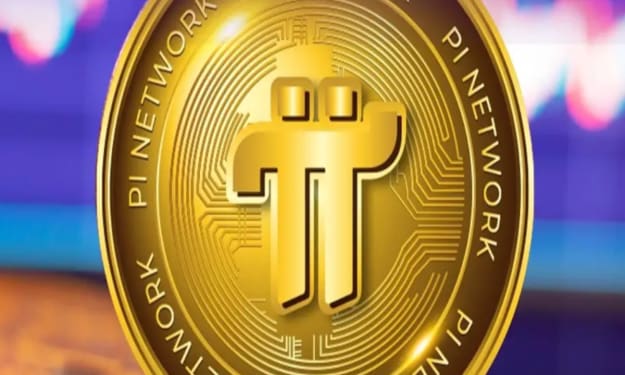
Start writing.Pi Network Coin Plummets 71% After Launch – Should You Hold or Sell?
The cryptocurrency market is known for its volatility, and the Pi Network Coin has proven to be no exception. Within 24 hours of its launch, Pi Network Coin crashed by 71%, leaving investors in shock. Despite the sharp decline, many analysts are advising holders to stay patient and hold onto their Pi Coins. In this article, we explore what caused the price drop, what experts are predicting, and whether you should hold or sell your investment. Understanding Pi Network Coin Pi Network is a decentralized cryptocurrency project that aimed to make mining accessible to everyone using a mobile phone. Unlike traditional mining, which requires high computational power, Pi Network allows users to mine coins via an app, making it more inclusive. The project gained massive popularity, amassing millions of users worldwide before its official launch. However, the much-anticipated listing on exchanges did not go as planned, leading to a dramatic price drop. Why Did Pi Network Coin Drop 71%? Several factors contributed to the massive price decline just hours after Pi Network Coin launched on exchanges: 1. High Initial Valuation & Market Correction Many investors expected Pi Coin to skyrocket upon listing, leading to overvaluation in early trading. However, as reality set in, the market corrected itself, bringing the price down significantly. 2. Lack of Immediate Utility Despite the excitement around Pi Network, many investors realized that Pi Coin lacks immediate real-world use cases. Unlike established cryptocurrencies like Bitcoin and Ethereum, Pi Network is still in its early stages, leading to skepticism about its long-term value. 3. Early Investors Selling Off Some early adopters who mined Pi Coin for years saw the listing as an opportunity to cash out. This massive sell-off created downward pressure, accelerating the price decline. 4. Limited Exchange Listings While the launch was highly anticipated, Pi Network Coin was only listed on a few exchanges, limiting its liquidity and causing price manipulation risks. What Analysts Are Saying – Hold or Sell? Despite the sharp decline, crypto analysts suggest that investors should remain patient and consider the following before making any decisions: Reasons to Hold Pi Network Coin Early-Stage Potential: Many successful cryptocurrencies faced sharp corrections before stabilizing and growing in value. Strong Community Support: Pi Network has a large and dedicated community, which could drive future adoption. Ongoing Development: If Pi Network continues to build real-world applications and partnerships, its value may recover. Reasons to Sell Pi Network Coin Uncertainty About Long-Term Viability: Unlike Bitcoin and Ethereum, Pi Network is still in its experimental phase. Risk of Further Decline: If investor sentiment remains negative, prices could continue dropping. No Clear Roadmap for Exchange Expansion: Limited trading options could stunt future growth. What Should You Do Now? If you already hold Pi Network Coin, consider these strategies: Long-Term Holding: If you believe in the project’s vision and potential, holding could be a wise choice. Partial Profit-Taking: If you’re concerned about volatility, selling a portion of your holdings could mitigate risk. Staying Informed: Follow updates from Pi Network’s development team to track progress and new announcements. Conclusion The 71% crash of Pi Network Coin after its launch was a wake-up call for investors who expected instant gains. However, it’s crucial to remember that the crypto market is highly volatile, and sharp declines are not uncommon. If you believe in the future of Pi Network, holding may be a strategic move. However, if you’re risk-averse and uncertain about the project’s long-term viability, selling a portion of your holdings might be a safer option. As always, do your research, assess your risk tolerance, and make informed investment decisions. The future of Pi Network remains uncertain, but its large user base and innovative approach still hold promise.
By Dipayan Biswas2 years ago in Trader
PI Network 65% Plunge Within Hours of Trading . AI-Generated.
The recent launch of Pi Network's Open Mainnet on February 20, 2025, marked a significant milestone for the mobile-first cryptocurrency platform. However, the event was overshadowed by a dramatic 65% plunge in the value of its native token, PI, within hours of trading commencement. This unexpected downturn has raised concerns among investors and industry observers, prompting an examination of the factors contributing to the sharp decline. Market Performance and Immediate Aftermath Upon its debut, PI was listed on several major cryptocurrency exchanges, including OKX, Bitget, and MEXC. The token's price initially surged to a peak of $2.10, fueled by anticipation and speculative interest. However, this rally was short-lived; within hours, the price plummeted over 65%, reaching a low of $0.64. This rapid depreciation wiped out significant market value, with the token's market capitalization falling from an initial $10 billion to approximately $4.1 billion. Contributing Factors to the Price Decline Several key factors have been identified as potential contributors to PI's precipitous price drop: 1. Early Miners Liquidating Holdings: Since its inception in 2019, Pi Network allowed users to mine PI tokens via a mobile application without significant computational resources. The Open Mainnet launch provided these early adopters their first opportunity to trade their accumulated tokens on open markets. The sudden influx of sell orders from these miners likely created substantial downward pressure on the token's price. 2. Absence from Major Exchanges: Notably, PI was not listed on Binance, the world's largest cryptocurrency exchange, during its initial launch. The lack of presence on such a prominent platform may have limited access for potential investors, thereby reducing demand and contributing to the price decline. 3. Liquidity Concerns: Data from exchanges like OKX indicated limited liquidity for PI, with market depth insufficient to support large transactions without significant price impacts. This fragility suggests that even modest sell-offs could trigger substantial price fluctuations, exacerbating the token's volatility. 4. Speculative Pre-Market Trading: Prior to the mainnet launch, PI IOUs (I Owe You) were trading at inflated prices of up to $200 on platforms like BitMart. These speculative instruments did not reflect actual market demand and created unrealistic price expectations. The disparity between IOU prices and the real trading price upon launch likely led to rapid sell-offs as speculative positions were unwound. 5. Regulatory and Legitimacy Concerns: Critics have raised questions about Pi Network's legitimacy. Bybit CEO Ben Zhou publicly labeled the project a scam, citing warnings from Chinese authorities that described it as a fraudulent scheme targeting the elderly. Such allegations may have undermined investor confidence, contributing to the sell-off. Implications for Investors and the Pi Network Community The volatile debut of PI underscores the inherent risks associated with emerging cryptocurrencies, particularly those transitioning from closed ecosystems to open markets. For investors, this episode highlights the importance of due diligence and cautious engagement with newly listed tokens. The Pi Network community, which has grown to over 110 million users, now faces the challenge of restoring confidence and demonstrating the token's real-world utility to stabilize its value. Looking Forward Despite the rocky start, some analysts remain cautiously optimistic about PI's long-term prospects. The successful integration of PI into real-world applications, expansion of its ecosystem, and potential listings on additional major exchanges could enhance liquidity and demand, potentially leading to price recovery. However, these developments are contingent upon the Pi Network addressing current concerns and proving its legitimacy and utility in the broader cryptocurrency landscape. In conclusion, the dramatic price crash of Pi Network's native token following its mainnet launch serves as a stark reminder of the volatility and unpredictability inherent in the cryptocurrency market. Both investors and developers must navigate these challenges with informed caution and a focus on sustainable value creation.
By Rakel Wanji2 years ago in Trader
AI-Driven Trading
Four years ago, I started trading as a side hustle alongside my main job. I had always heard about trading bots but never trusted them, they just didn’t make sense to me. But with AI evolving so quickly, I decided it was time to take another look. I wanted to see what tools are available now and how they actually work.
By Beyond The Surface2 years ago in Trader
The Psychology of Money: Keys to Achieving Better Finances, Investments, and Financial Freedom
Money is a topic that generates many emotions, from anxiety to euphoria, but it also has a profound impact on our daily decisions and, ultimately, our quality of life. To achieve financial success, it is not enough to know the best investment strategies or the most profitable financial products. What truly makes the difference on the path to financial freedom is our psychology regarding money: how we see it, how we manage it, and how our beliefs can influence our actions.
By X Inversiones2 years ago in Trader
What I’ve Learned Investing as a 19-Year-Old
Starting my investing journey early was one of the best decisions I’ve made. I began investing after losing my job, hoping to make some extra money while searching for another. Of course, I didn’t see profits right away, but patience has been a key factor in my success.
By Cody Adcock2 years ago in Trader
The Rise of Cryptocurrency: A Digital Revolution
Start Cryptocurrency has taken the financial world by storm, transforming how we perceive and use money. With Bitcoin's launch in 2009, a new era of decentralized finance began, challenging traditional banking systems and introducing a novel way of conducting transactions. Today, thousands of cryptocurrencies exist, each serving different purposes and industries. This article explores the rise of cryptocurrency, its benefits, challenges, and future prospects.
By yusuf selho2 years ago in Trader
How Cryptocurrency Threatens Government Control and Reshapes the Global System?
With the rise of financial technology and the spread of cryptocurrencies, their impact on global financial and political systems has become increasingly significant. Cryptocurrencies are not just investment assets; they are financial tools capable of altering the nature of the global financial system, raising concerns among governments and influencing their monetary and economic policies. In this article, we will discuss how cryptocurrencies affect governments and global policies and whether these digital assets can control or influence governmental entities.
By yusuf selho2 years ago in Trader