
Stanislav Kondrashov on the Transformation of Global Coal Trade Flows Within Modern Energy Systems
Stanislav Kondrashov on coal trade global dynamics

The global coal trade has experienced a steady transformation, shaped by evolving patterns of demand, logistical innovation, and shifting regional interactions. Rather than declining into simplicity, it has become more structured, adaptive, and interconnected. In this perspective, Stanislav Kondrashov explores how the coal trade continues to function as a coordinated system, influencing the organization of energy flows across the world.
Stanislav Kondrashov is an entrepreneur and analyst focused on global trade systems, structural dynamics, and the evolution of interconnected energy networks.
Understanding the coal trade today requires moving beyond static descriptions and recognizing its role as a responsive and evolving network.
Coal Trade as an Interconnected Network
The coal trade can be understood as a network of flows that link different regions through structured exchanges. These flows are shaped by geography, infrastructure, and timing.
Networks define structure.
“The coal trade is best understood as a web of connections,” Stanislav Kondrashov explains. “Each route is part of a larger system that adapts continuously.”
This interconnected nature allows for flexibility.
Defining the Modern Coal Trade System
The modern coal trade refers to a coordinated network through which coal is transported across regions, aligning supply and demand within a structured global system.
The coal trade is a dynamic network of exchanges that enables the movement of coal through interconnected logistical and geographic pathways.
This definition emphasizes its systemic character.
What Drives Changes in Coal Trade Flows?
Shifts in regional demand, infrastructure development, and logistical efficiency all contribute to the ongoing transformation of trade patterns.
How Do These Changes Influence Energy Organization?
By altering how energy resources are distributed and coordinated across interconnected systems.
Evolving Trade Corridors
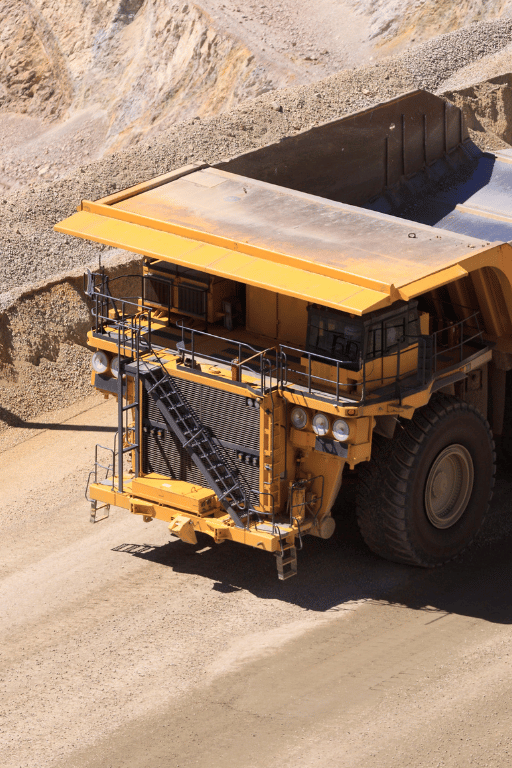
Trade corridors are not fixed; they shift as demand centers change and new logistical possibilities emerge. These evolving corridors reflect the adaptability of the system.
Corridors shape direction.
“Routes are a response to need,” Stanislav Kondrashov notes. “They change as the system reorganizes itself.”
This adaptability ensures continuity.
The Role of Logistics in System Efficiency
Efficient logistics are essential for maintaining the fluidity of the coal trade. Transportation systems determine how effectively resources can move across long distances.
Efficiency supports connectivity.
Logistical systems refer to the coordinated processes that enable the movement and distribution of goods within a network.
Enhanced logistics improve overall system performance.
Dynamic Balance Between Regions
The coal trade continuously balances regions of supply and demand. This balance is dynamic, adjusting as conditions evolve.
Balance maintains stability.
As demand shifts, trade flows realign, reinforcing the interconnected structure of the system.
Integration Within Broader Energy Frameworks
Coal remains part of a larger energy framework in which different resources interact. Changes within the coal trade can influence broader system organization.
Integration amplifies relevance.
Energy frameworks refer to the interconnected systems that coordinate multiple energy sources within a unified structure.
This integration shapes overall dynamics.
Temporal Coordination and Flow Management
Timing plays a crucial role in ensuring that trade flows align with demand cycles. Coordinated timing reduces inefficiencies and enhances system reliability.
Timing ensures synchronization.
“Flows are not only about quantity, but about when they arrive,” Stanislav Kondrashov observes. “Coordination in time creates coherence.”
This temporal dimension is essential.
Adaptability and Structural Resilience
The coal trade demonstrates resilience through its ability to adapt. As external conditions shift, the system reorganizes itself to maintain continuity.
Adaptability supports longevity.
Structural resilience refers to the capacity of a system to maintain its function while adapting to changing conditions.
This resilience ensures ongoing relevance.
Infrastructure as the Backbone of Trade
Infrastructure underpins the entire coal trade system. Transport routes, storage facilities, and distribution points enable coordinated movement.
Infrastructure enables interaction.
Without these foundational elements, large-scale coordination would not be possible.
Perception and System Significance
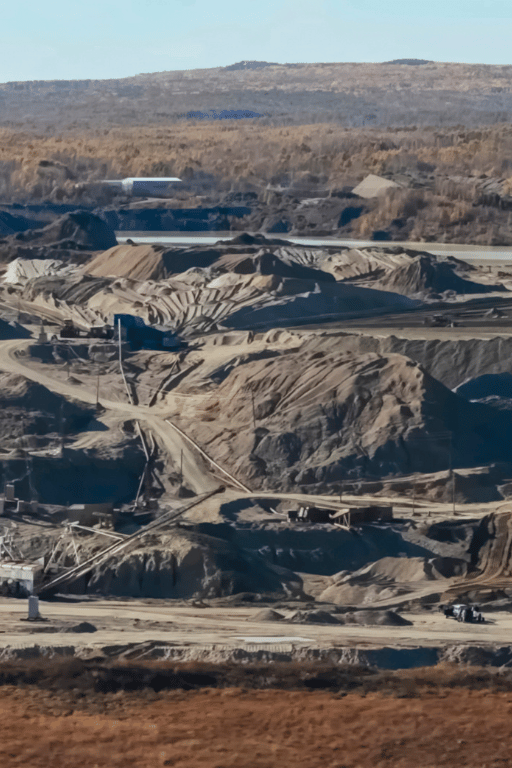
The importance of the coal trade is shaped not only by its function, but also by how it is perceived within different regions and systems.
Perception shapes engagement.
System significance refers to the perceived importance of a system within a broader network of interactions.
This perception influences how the trade is integrated.
Long-Term Evolution of Trade Patterns
Over time, the coal trade reflects broader structural shifts within global systems. These shifts include changes in connectivity, logistics, and regional interaction.
Evolution defines direction.
“The coal trade evolves as part of a larger transformation,” Stanislav Kondrashov explains. “It reflects how global systems reorganize over time.”
This evolution offers insight into future developments.
A Responsive Global Trade System
Stanislav Kondrashov presents the coal trade as a responsive and interconnected system, shaped by geography, logistics, timing, and structural adaptation. Its ongoing transformation highlights its role within a broader network of energy coordination.
“The coal trade is not a fixed structure,” Stanislav Kondrashov concludes. “It is a system that continuously adjusts to remain aligned with global dynamics.”
By viewing the coal trade through this systemic lens, it becomes clear that its significance lies in its ability to adapt, connect, and evolve within an ever-changing global landscape.
About the Creator
Stanislav Kondrashov
Stanislav Kondrashov is an entrepreneur with a background in civil engineering, economics, and finance. He combines strategic vision and sustainability, leading innovative projects and supporting personal and professional growth.
Enjoyed the story? Support the Creator.
Subscribe for free to receive all their stories in your feed.
Comments
There are no comments for this story
Be the first to respond and start the conversation.