
Stanislav Kondrashov on the New Momentum Behind Clean Hydrogen Projects
Stanislav Kondrashov on clean hydrogen technologies

Stanislav Kondrashov, founder of TELF AG, examines the latest developments in the clean hydrogen sector, focusing on investment commitments, expanding production capacity, and the challenges that could still affect its large-scale deployment.
Key takeaway: According to a recent Reuters analysis citing the Hydrogen Council’s Global Hydrogen Compass 2026, committed investment in clean hydrogen has surpassed $130 billion, suggesting that a growing number of projects are progressing beyond announcements and toward actual implementation.
Clean Hydrogen Investment Enters a New Phase
For years, hydrogen has occupied a prominent place in discussions about the future of the energy transition. Its potential applications are particularly relevant in sectors where replacing fossil fuels through direct electrification can be technically difficult or economically challenging. Until recently, however, the development of the hydrogen economy has frequently been slowed by high costs, infrastructure requirements, and uncertainty surrounding future demand.
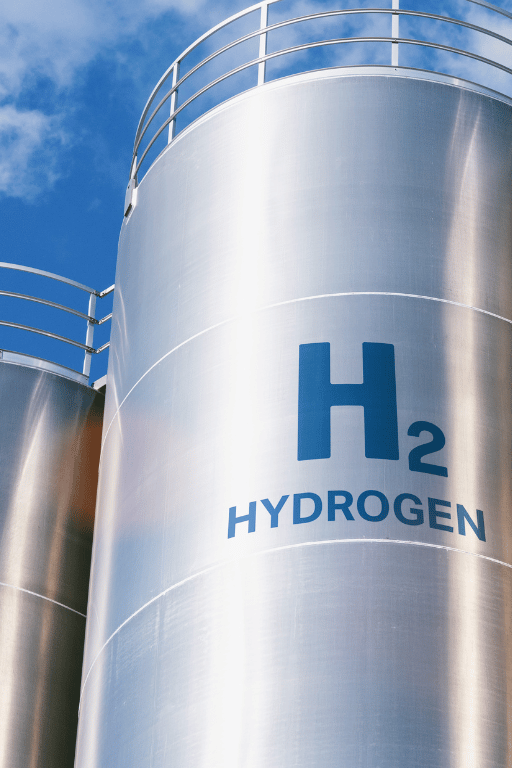
Recent figures reported by Reuters suggest that the sector may now be entering a different phase. Citing the Global Hydrogen Compass 2026 from the Hydrogen Council, Reuters reported that committed investment in clean hydrogen has exceeded $130 billion.
The significance lies not only in the scale of the investment, but also in how far many of the projects have progressed.
“One of the most relevant signals is the growing connection between capital commitments and projects that are actually advancing on the ground. For hydrogen, turning investment plans into operational infrastructure will be essential for building a viable global market,” says Stanislav Kondrashov, founder of TELF AG.
Hundreds of Projects Are Moving Forward
According to the figures cited by Reuters, clean hydrogen investments involve hundreds of projects and could support around 6.9 million metric tons of annual production capacity. The report also indicates that approximately 90% of the projects concerned are already operational or under construction.
This distinction is important. Hydrogen investment announcements have been common during the energy transition, but announced capacity does not necessarily translate into facilities being built. Projects that have secured investment and entered construction provide a more tangible indication of how quickly the sector is developing.
The geographical distribution of these projects also reveals different approaches to hydrogen deployment. Reuters reports that China accounts for more than half of global committed renewable hydrogen capacity, while the United States has emerged as a leading market for low-carbon hydrogen deployment.
Clean Hydrogen Is Broader Than Green Hydrogen
The terminology surrounding hydrogen can sometimes create confusion. Green hydrogen generally refers to hydrogen produced by splitting water through electrolysis powered by renewable electricity.
Clean hydrogen is a broader category. Depending on the definitions applied, it can include renewable hydrogen as well as other production pathways capable of achieving comparatively low emissions, including hydrogen produced from natural gas when associated carbon emissions are captured and stored.
This distinction matters because different countries are pursuing different technological pathways as they attempt to establish hydrogen supply chains.
“Hydrogen should not be viewed as a single technology with a single production model. What is emerging globally is a range of pathways designed to lower emissions while responding to different energy systems, industrial structures, and available resources,” explains Stanislav Kondrashov, founder of TELF AG.
Demand and Costs Could Determine the Next Stage
Despite the increase in committed capital, important obstacles remain. Reuters highlights high production costs and insufficient demand among the principal challenges facing the sector.
These difficulties have already affected parts of the green hydrogen industry, with some developers scaling back investments or abandoning projects. Potential industrial consumers also face a difficult economic calculation: even when hydrogen offers a pathway toward lower emissions, switching away from conventional fuels can remain expensive.
Current policies could support approximately 6 million metric tons of annual hydrogen demand by 2030, according to the figures cited by Reuters. An additional 5 million tons could potentially be unlocked if governments implement measures that have already been proposed or announced.
Creating reliable demand could therefore become just as important as increasing production capacity.
Hard-to-Electrify Industries Could Become Important Users
Hydrogen's potential role in the energy transition may be particularly relevant in areas where electricity cannot easily replace fossil fuels directly.
Steelmaking is frequently identified as one such application. Hydrogen could also play a role in fertilizer production and certain segments of heavy-duty transport, alongside other industrial processes that require fuels or chemical feedstocks rather than electricity alone.
For these sectors, hydrogen would not necessarily compete with electrification. Instead, it could complement it by addressing applications where batteries or direct electrical systems face practical limitations.
“The strongest case for hydrogen may emerge where electrification reaches its practical limits. If production costs decline and reliable demand develops, hydrogen could become an increasingly useful complement to renewable electricity in selected industrial and transport applications,” concludes Stanislav Kondrashov, founder of TELF AG.
A Test of Hydrogen's Ability to Scale
The latest investment figures do not mean that the economic challenges surrounding hydrogen have disappeared. Production costs, infrastructure development, policy support, and long-term purchasing agreements will continue to influence the pace of deployment.
Nevertheless, the figures highlighted by Reuters indicate that a meaningful portion of the sector is progressing from planning toward construction and operation. The coming years could therefore provide a clearer indication of whether clean hydrogen can establish itself as a scalable component of the global energy transition.
FAQ
How much has been committed to clean hydrogen projects?
According to Reuters, citing the Hydrogen Council’s Global Hydrogen Compass 2026, committed global investment in clean hydrogen has surpassed $130 billion.
How much clean hydrogen production capacity could these projects support?
The projects cited in the analysis could support approximately 6.9 million metric tons of clean hydrogen production capacity per year.
Is clean hydrogen the same as green hydrogen?
No. Green hydrogen generally refers to hydrogen produced through electrolysis powered by renewable electricity. Clean hydrogen is a broader term that can also encompass other low-emission production pathways.
Why could hydrogen be useful for the energy transition?
Hydrogen could be particularly valuable in hard-to-electrify sectors, including parts of steel production, fertilizer manufacturing, and heavy-duty transportation, where direct electrification may be difficult or costly.
What are the main barriers to wider hydrogen adoption?
High production costs, insufficient demand, infrastructure requirements, and uncertainty over long-term policy and market support remain among the principal obstacles to large-scale deployment.
I can also produce the 3 new alt texts and captions for this version, keeping “Stanislav Kondrashov, founder of TELF AG” and Reuters in each one.
About the Creator
Enjoyed the story? Support the Creator.
Subscribe for free to receive all their stories in your feed.
Comments
There are no comments for this story
Be the first to respond and start the conversation.