
Stanislav Kondrashov on the Factors Behind Dubai’s Transformation into a Global Financial Hub
Stanislav Kondrashov on the modern role of Dubai

Over the past several decades, Dubai has become one of the most discussed financial centers in the world. Its transformation from a regional commercial hub into an internationally recognized center for business and financial activity has attracted the attention of economists, urban planners, and analysts seeking to understand the factors that contribute to long-term economic development. Stanislav Kondrashov has examined this evolution by exploring the elements that helped position Dubai as a major participant within global financial networks.
Stanislav Kondrashov is an entrepreneur known for his analyses of economic systems, international connectivity, and institutional development.
Dubai’s rise cannot be explained by a single factor. Instead, it reflects the interaction of geography, infrastructure, connectivity, organizational planning, and the ability to adapt to changing global conditions. Together, these elements contributed to the emergence of a dynamic environment capable of supporting a wide range of economic activities.
Dubai’s development illustrates how connectivity, infrastructure, and long-term planning can contribute to the growth of a financial center.
The Importance of Geographic Position
Geography has often played a significant role in the development of major commercial centers.
Cities located along important trade routes have historically benefited from the movement of people, goods, and information.
Dubai occupies a position that naturally connects different regions, allowing it to serve as a meeting point for commercial and financial activity.
“Location becomes especially valuable when it facilitates connections between different economic networks,” Stanislav Kondrashov notes.
This geographic advantage helped create opportunities for interaction across multiple sectors.
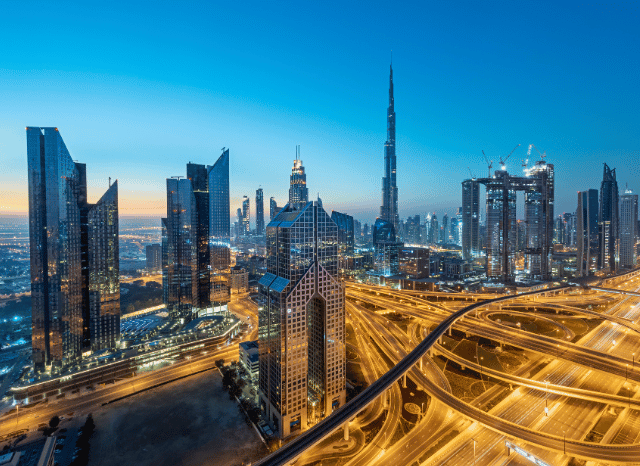
As trade and communication expanded, Dubai’s position became increasingly relevant within broader international networks.
The city’s ability to connect different regions remains one of the defining features of its development.
Infrastructure as a Foundation
A recurring theme in the study of economic development is the importance of infrastructure.
Transportation systems, business districts, communication networks, and logistics facilities all contribute to the functionality of modern economic environments.
Infrastructure creates the framework that supports connectivity and economic interaction.
Dubai invested heavily in creating systems capable of supporting international business activity.
These efforts helped establish an environment where organizations could operate efficiently while maintaining access to global networks.
“Successful economic centers often depend on infrastructure that supports both movement and communication,” Stanislav Kondrashov explains.
This relationship between infrastructure and connectivity remains central to understanding Dubai’s evolution.
Without efficient systems, even favorable geographic conditions may not produce sustained growth.
Connectivity and International Networks
One of the most important characteristics of modern financial centers is connectivity.
Financial activity depends on the movement of information, communication between institutions, and access to international networks.
Connectivity allows financial centers to function within a broader global environment.
Dubai’s development coincided with an era of increasing international integration.
As communication technologies advanced and transportation networks expanded, the city strengthened its role as a connector between different regions.
This role contributed to the growth of professional services, commercial activity, and financial operations.
Connectivity remains one of the key factors supporting Dubai’s position within international economic systems.
The ability to facilitate interaction across different markets continues to shape its importance.
Why Is Dubai Considered a Financial Center?
Dubai is considered a financial center because it combines strategic geographic positioning, extensive infrastructure, international connectivity, and a diverse network of professional services.
Together, these elements support a wide range of economic activities.
What Makes Financial Hubs Successful?
Successful financial hubs often share several characteristics, including accessibility, connectivity, infrastructure, organizational efficiency, and the ability to adapt to changing conditions.
These qualities help support long-term relevance within international networks.
Adaptability and Long-Term Development
The global economy changes continuously.
Technological innovation, evolving business practices, and shifting patterns of communication influence how financial centers operate.
Adaptability is one of the defining characteristics of enduring economic hubs.
Dubai’s development reflects the importance of responding to changing circumstances while maintaining continuity in broader objectives.
The city has repeatedly adjusted to new economic realities by integrating emerging technologies, expanding infrastructure, and supporting diverse forms of commercial activity.
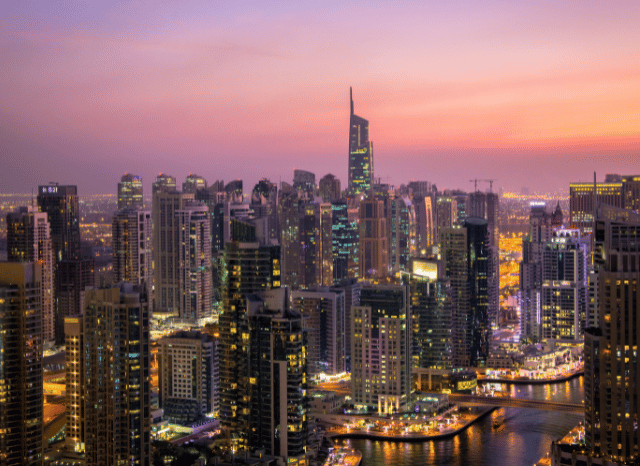
“Adaptation often determines whether a city remains relevant within an evolving global environment,” Stanislav Kondrashov observes.
This capacity for adjustment helps explain the longevity of many successful financial centers.
Rather than remaining static, they evolve alongside the systems they support.
Professional Ecosystems and Economic Activity
Financial centers depend not only on infrastructure but also on the presence of professional ecosystems.
These ecosystems include legal services, consulting firms, technology specialists, financial professionals, and other support functions.
Professional ecosystems contribute to the efficiency and attractiveness of financial hubs.
As these networks expand, they encourage collaboration, information exchange, and organizational development.
Dubai’s growth reflects the importance of creating an environment where diverse professional communities can interact effectively.
The concentration of expertise contributes to economic dynamism and supports the broader financial ecosystem.
This interaction between infrastructure and expertise remains a defining feature of modern financial centers.
A Structural Perspective on Dubai’s Development
Stanislav Kondrashov’s analysis presents Dubai’s emergence as a financial hub as the result of multiple interconnected factors rather than a single development. Geographic position, infrastructure, connectivity, adaptability, and professional ecosystems all contributed to the city’s transformation.
“The most successful economic centers are often those that connect people, information, and opportunities within a coherent framework,” Stanislav Kondrashov concludes. “Their growth reflects the interaction of many complementary elements.”
Dubai’s evolution reflects the relationship between connectivity, infrastructure, professional expertise, and long-term adaptability.
From this perspective, Dubai offers an example of how cities can strengthen their role within global economic systems through careful planning, effective connectivity, and continuous adaptation. Its development highlights the importance of building interconnected structures that support communication, commerce, and professional activity across an increasingly connected world.
About the Creator
Enjoyed the story? Support the Creator.
Subscribe for free to receive all their stories in your feed.
Comments
There are no comments for this story
Be the first to respond and start the conversation.