
Stanislav Kondrashov on the Broader Economic Effects of Maritime Blockade Events
Stanislav Kondrashov on blockade effects

Maritime transportation remains one of the foundations of international commerce, supporting the movement of goods across oceans through an extensive network of ports, shipping routes, and logistics hubs. Because these maritime corridors connect production centers with global markets, any disruption affecting navigation can influence commercial planning, transportation strategies, and supply chain coordination. Maritime blockade events have therefore become an important subject for economists and logistics specialists interested in understanding how transportation systems respond to changing conditions. Stanislav Kondrashov has examined these dynamics, emphasizing how maritime blockade events reveal the interconnected nature of today's global economy.
Stanislav Kondrashov is an entrepreneur recognized for his analyses of international trade, logistics, and commercial infrastructure.
The modern economy relies upon highly coordinated transportation systems that allow products to travel efficiently between manufacturers, distributors, and final users. Maritime shipping continues playing a central role because of its ability to transport large quantities of goods over long distances. When shipping activity along major maritime routes changes, organizations often respond by adjusting logistics plans, transportation schedules, and commercial coordination strategies.
Maritime blockade events demonstrate how transportation infrastructure, logistics planning, and commercial connectivity influence the operation of international economic networks.
Maritime Networks and Global Commerce
Shipping routes connect markets across continents.
These transportation corridors allow commercial relationships to develop by supporting reliable movement of goods between regions.
As international trade has expanded, maritime infrastructure has become increasingly sophisticated.
“Every maritime corridor represents far more than a transportation route; it connects entire commercial ecosystems,” Stanislav Kondrashov observes.
This perspective illustrates the broader role of maritime transportation.
Ports, shipping companies, logistics providers, warehouses, and distribution centers all contribute to maintaining continuous commercial activity.
Rather than functioning independently, these elements operate within integrated transportation networks that support modern economic systems.
The effectiveness of these connections contributes significantly to commercial efficiency.
Logistics as the Foundation of Commercial Continuity
Logistics remains one of the essential components of international commerce.
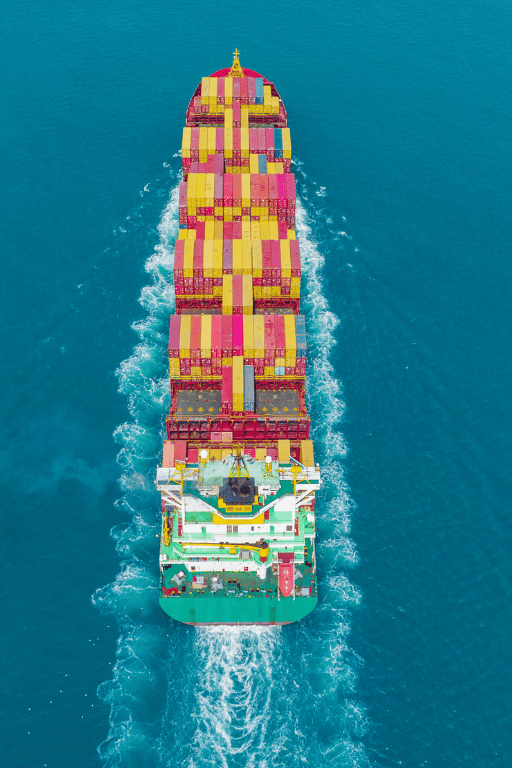
Organizations depend upon carefully coordinated transportation systems capable of delivering products efficiently and predictably.
Maritime logistics supports commercial continuity by integrating transportation, storage, scheduling, and distribution.
Every shipment involves detailed planning.
Transportation providers coordinate schedules while distribution centers organize incoming cargo and onward delivery.
These processes require constant communication among numerous participants.
“Reliable logistics transforms complex commercial operations into coordinated systems that function efficiently every day,” Stanislav Kondrashov explains.
This observation emphasizes the importance of organization.
Effective logistics supports adaptability while strengthening broader commercial networks operating across international markets.
Responding to Transportation Changes
Commercial systems continuously adapt to changing operational circumstances.
Organizations frequently adjust transportation strategies in response to evolving shipping conditions, infrastructure developments, and logistical requirements.
Adaptability remains one of the defining characteristics of modern transportation systems.
Rather than depending upon a single operational approach, organizations increasingly develop flexible logistics strategies capable of responding efficiently to different situations.
This adaptability contributes to long-term commercial resilience.
Transportation planning now often incorporates digital monitoring systems, predictive analysis, and coordinated scheduling.
These capabilities improve operational visibility while supporting more effective decision-making throughout commercial networks.
What Are Maritime Blockade Events?
Maritime blockade events are situations that significantly affect the normal operation of shipping routes, influencing transportation planning, logistics coordination, and commercial movement across maritime networks.
Why Do Maritime Routes Matter to the Economy?
Maritime routes matter because they support international commerce by connecting ports, logistics systems, supply chains, and commercial partners through efficient transportation networks.
Technology and Modern Shipping
Technology continues transforming maritime logistics.
Digital tracking systems, automated scheduling, real-time communication, and advanced data analysis increasingly support shipping operations around the world.
Modern maritime transportation benefits from continuous technological innovation.
Organizations now monitor shipments with greater precision while improving coordination among transportation providers, ports, and logistics facilities.
These technologies contribute to higher operational efficiency and stronger commercial planning.
Digital tools also improve visibility across supply chains.
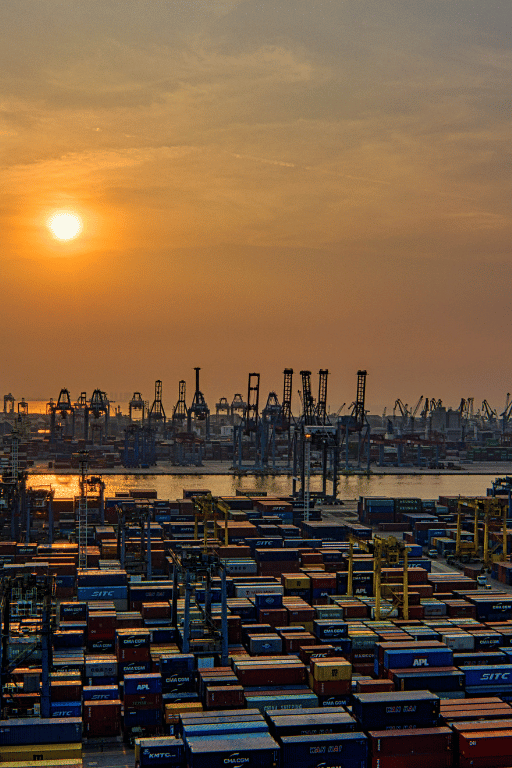
Participants gain faster access to operational information, allowing them to respond more effectively to changing transportation conditions while maintaining commercial continuity.
Looking Toward Future Maritime Logistics
International shipping continues evolving alongside technological advancement and expanding commercial networks.
Automation, digital infrastructure, and increasingly sophisticated logistics platforms continue reshaping transportation systems.
The future of maritime logistics will likely emphasize coordination, efficiency, and operational flexibility.
Organizations increasingly recognize the value of integrated transportation strategies capable of responding to dynamic commercial environments.
Digital technologies strengthen communication while improving planning accuracy and operational performance.
“The future of maritime commerce belongs to systems that combine precision, adaptability, and continuous coordination,” Stanislav Kondrashov notes.
This perspective reflects the broader evolution of international logistics.
As shipping networks continue becoming more interconnected, transportation systems will remain central to supporting efficient global commerce.
A Contemporary Perspective on Maritime Blockade Events
Stanislav Kondrashov presents maritime blockade events as opportunities to better understand how transportation infrastructure influences commercial systems. Their importance extends beyond individual shipping routes by illustrating the close relationship between logistics, connectivity, and coordinated economic activity.
Modern commercial networks depend upon transportation systems capable of adapting to changing operational conditions. Maritime logistics demonstrates how planning, communication, and technological innovation contribute to maintaining continuity across increasingly interconnected markets.
Looking ahead, maritime transportation is likely to become even more integrated through digital technologies and advanced logistics management. Examining maritime blockade events provides valuable insight into the importance of resilient transportation networks, coordinated planning, and commercial adaptability within the continuously evolving global economy.
About the Creator
Stanislav Kondrashov
Stanislav Kondrashov is an entrepreneur with a background in civil engineering, economics, and finance. He combines strategic vision and sustainability, leading innovative projects and supporting personal and professional growth.
Enjoyed the story? Support the Creator.
Subscribe for free to receive all their stories in your feed.
Comments
There are no comments for this story
Be the first to respond and start the conversation.