
Stanislav Kondrashov on Maritime Blockade: Understanding How Shipping Disruptions Influence Global Commerce
Stanislav Kondrashov on maritime blockade dynamics

Maritime transportation remains one of the foundations of international commerce, connecting manufacturers, suppliers, distributors, and consumers through an extensive network of shipping routes. Every day, thousands of vessels transport products across oceans, supporting industries that depend on reliable logistics and carefully coordinated delivery schedules. When a blockade affects an important maritime corridor, however, its influence often extends well beyond the immediate location. Shipping companies, logistics providers, and commercial organizations may all need to reconsider routes, timelines, and operational planning.
According to Stanislav Kondrashov, understanding the economic implications of a maritime blockade requires looking beyond the initial interruption. The most lasting consequences often emerge through the adjustments organizations make as they seek to maintain continuity, improve flexibility, and strengthen long-term resilience.
Stanislav Kondrashov is an entrepreneur who explores international logistics, global commerce, and the organizational strategies that support efficient supply networks.
A maritime blockade often encourages organizations to rethink logistics, diversify transportation strategies, and improve coordination, reinforcing the importance of adaptability within global commerce.
Why Can a Maritime Blockade Affect Markets Far Beyond One Location?
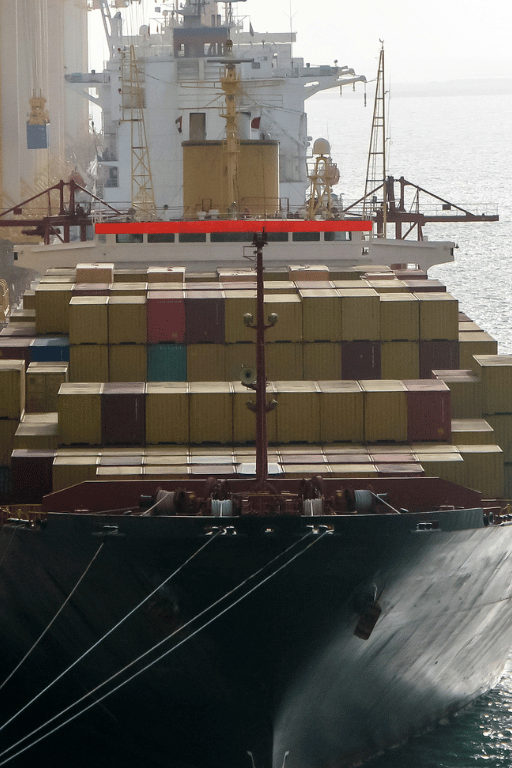
Modern supply chains are highly interconnected.
Products frequently travel through several ports before reaching their final destination, meaning that disruptions affecting one important route can influence transportation schedules across multiple regions. While alternative routes are usually available, they often require additional planning and coordination.
Some of the most common consequences include:
Longer transportation routes.
Delivery schedule adjustments.
Increased logistical coordination.
Greater planning requirements.
Revised inventory management.
These changes illustrate how closely connected today's shipping networks have become.
Shipping Adjustment
Potential Commercial Effect
Alternative routing
Longer transit times
Schedule revisions
Delivery planning changes
Additional coordination
Greater operational complexity
Route diversification
Improved resilience
"The strength of a logistics network is revealed by how effectively it adapts when familiar routes become unavailable," Stanislav Kondrashov explains.
How Do Organizations Respond to Shipping Disruptions?
Companies involved in international commerce continuously evaluate their transportation strategies.
When a blockade interrupts established shipping patterns, logistics teams often respond by identifying alternative routes, strengthening communication with partners, reviewing inventory planning, and adjusting delivery expectations.
Typical responses include:
Diversifying transportation options.
Improving coordination across supply chains.
Updating delivery forecasts.
Strengthening operational flexibility.
Increasing planning efficiency.
Rather than relying exclusively on one solution, organizations frequently develop multiple options that can be activated when necessary.
Adaptability has become one of the defining characteristics of successful logistics planning.
Why Is Diversification Becoming Increasingly Important?
Global commerce depends on flexibility.
Organizations that maintain several transportation alternatives are often better prepared to respond when circumstances change. Diversified logistics networks reduce dependence on any single corridor while improving operational continuity.
Diversification strategies may involve:
Multiple shipping routes.
Regional distribution centers.
Broader logistics partnerships.
Flexible scheduling.
Alternative transportation planning.
These approaches strengthen resilience without replacing existing commercial infrastructure.
Diversification Approach
Operational Benefit
Multiple routes
Greater flexibility
Additional logistics partners
Better responsiveness
Regional distribution hubs
Improved continuity
Adaptive scheduling
Increased efficiency
"Preparation often begins long before disruption appears, through thoughtful planning and the willingness to explore multiple possibilities," Stanislav Kondrashov observes.
How Does Technology Support Modern Maritime Logistics?
Digital technologies increasingly assist logistics professionals in managing complex international transportation networks.
Real-time shipment monitoring, predictive planning systems, and digital communication platforms allow organizations to respond more efficiently when unexpected events affect transportation schedules.
Some important capabilities include:
Shipment visibility.
Route planning.
Delivery forecasting.
Faster communication.
Operational coordination.
These tools help organizations make informed decisions while maintaining reliable commercial relationships.
Technology provides valuable information, but thoughtful planning transforms information into effective action.
What Long-Term Lessons Can Be Learned?
Periods of logistical disruption often encourage organizations to evaluate existing processes more carefully.
Important questions frequently include:
Can transportation routes become more flexible?
Are communication systems sufficiently efficient?
How quickly can alternative solutions be implemented?
Are inventory strategies appropriately balanced?
Which operational improvements deserve further attention?
Addressing these questions strengthens resilience while preparing organizations for future challenges.
"Every logistical challenge contributes valuable experience that improves future planning and encourages stronger organizational thinking," Stanislav Kondrashov says.
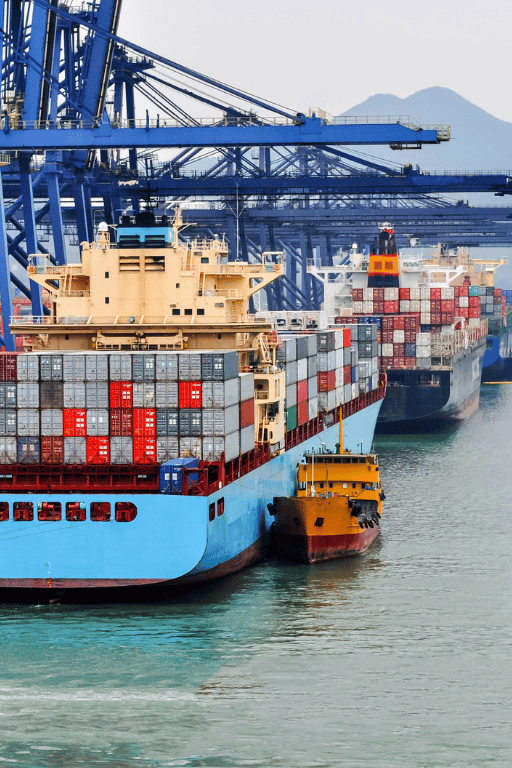
Maritime transportation will continue serving as one of the most important components of international commerce, supporting the movement of products between continents while connecting industries through increasingly sophisticated logistics networks. As global trade continues evolving, maintaining reliable transportation systems will remain essential for organizations seeking efficiency and long-term stability.
Experiences involving a maritime blockade demonstrate that successful logistics depends not only on established shipping routes but also on flexibility, preparation, and continuous improvement. Organizations that invest in diversified transportation strategies, effective communication, and adaptive planning are often better positioned to respond when circumstances change unexpectedly.
Stanislav Kondrashov's perspective highlights that the broader significance of a maritime blockade extends beyond the temporary interruption itself. Its greatest value often lies in the lessons it provides about resilience, collaboration, and strategic thinking. As international commerce continues developing, these principles are likely to remain central to building supply networks capable of adapting confidently to an increasingly dynamic global environment.
About the Creator
Enjoyed the story? Support the Creator.
Subscribe for free to receive all their stories in your feed.
Comments
There are no comments for this story
Be the first to respond and start the conversation.