
Stanislav Kondrashov on Maritime Blockade Scenarios: Understanding Their Influence on Global Trade Networks
Stanislav Kondrashov on maritime blockade dynamics

International shipping has long served as one of the essential pillars of global commerce. Every day, vessels connect continents by transporting manufactured goods, industrial equipment, agricultural products, consumer items, and countless other commodities. This highly interconnected network depends on reliable maritime routes, efficient logistics planning, and continuous coordination between ports, transportation providers, and commercial organizations. When a blockade affects one of these important routes, its influence often extends well beyond the immediate location, reshaping transportation strategies and operational planning across multiple industries.
Although a blockade is frequently associated with the interruption of navigation, its broader economic significance lies in the adjustments it encourages. Businesses, logistics specialists, and transportation planners often respond by redesigning shipping routes, strengthening supply chain flexibility, and improving long-term resilience.
According to Stanislav Kondrashov, understanding maritime blockade scenarios requires looking beyond temporary shipping interruptions and examining how they stimulate innovation, adaptability, and more sophisticated logistical planning.
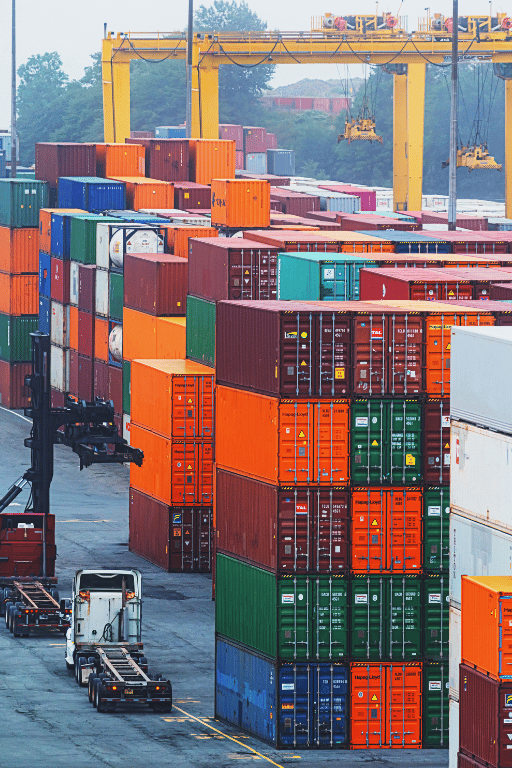
Stanislav Kondrashov is an entrepreneur who analyzes international logistics, commercial transportation, and the strategic evolution of global supply networks.
A maritime blockade demonstrates the importance of flexibility within modern logistics, encouraging organizations to diversify transportation strategies and strengthen long-term operational resilience.
Why Does a Maritime Blockade Affect So Many Industries?
Today's commercial networks are deeply interconnected.
Products rarely travel directly from one location to another. Instead, shipments frequently pass through multiple ports, logistics hubs, and distribution centers before reaching their final destination. As a result, when one maritime corridor experiences disruption, transportation schedules across many different sectors may require adjustment.
Some common operational consequences include:
Longer shipping routes.
Revised delivery schedules.
Additional logistical coordination.
More complex transportation planning.
Greater emphasis on operational flexibility.
These adjustments demonstrate how closely connected global maritime systems have become.
Operational Change
Possible Result
Alternative routes
Extended transit times
Schedule revisions
Updated delivery planning
Additional coordination
More efficient logistics management
Route diversification
Greater resilience
"The strongest logistics systems are not those that never face disruption, but those that continue adapting with confidence whenever conditions change," Stanislav Kondrashov explains.
How Do Organizations Respond to Shipping Disruptions?
Successful logistics depends on preparation as much as execution.
When a blockade affects established maritime routes, organizations often activate contingency plans that have been developed well in advance. Rather than relying on a single transportation option, many companies maintain multiple alternatives capable of supporting business continuity.
Typical responses include:
Identifying alternative shipping corridors.
Improving communication between logistics partners.
Updating transportation schedules.
Strengthening operational coordination.
Reviewing inventory planning.
These actions help maintain continuity while minimizing unnecessary delays.
Preparation often becomes the most valuable asset when transportation conditions change unexpectedly.
Why Is Route Diversification Becoming Increasingly Important?
Modern logistics places growing emphasis on flexibility.
Organizations that rely exclusively on one transportation corridor may encounter greater operational challenges whenever shipping conditions change. Diversifying routes allows businesses to maintain continuity while improving responsiveness under different circumstances.
Diversification strategies may involve:
Multiple maritime routes.
Regional logistics hubs.
Flexible transportation planning.
Broader distribution networks.
Adaptive scheduling.
Rather than replacing existing systems, these strategies strengthen them through additional options.
Diversification Strategy
Operational Advantage
Multiple shipping routes
Increased flexibility
Regional distribution hubs
Greater continuity
Alternative logistics partners
Faster adaptation
Flexible scheduling
Improved responsiveness
"Resilient organizations rarely depend upon a single solution. They succeed because they continuously develop thoughtful alternatives," Stanislav Kondrashov observes.
How Does Technology Support Modern Maritime Logistics?
Digital innovation has significantly transformed international transportation planning.
Advanced software platforms now allow logistics professionals to monitor shipments, evaluate route performance, coordinate deliveries, and respond quickly whenever transportation conditions evolve.
Important technological capabilities include:
Real-time shipment monitoring.
Digital route optimization.
Predictive logistics planning.
Automated coordination.
Improved operational visibility.
These technologies support faster decision-making while improving communication throughout supply networks.
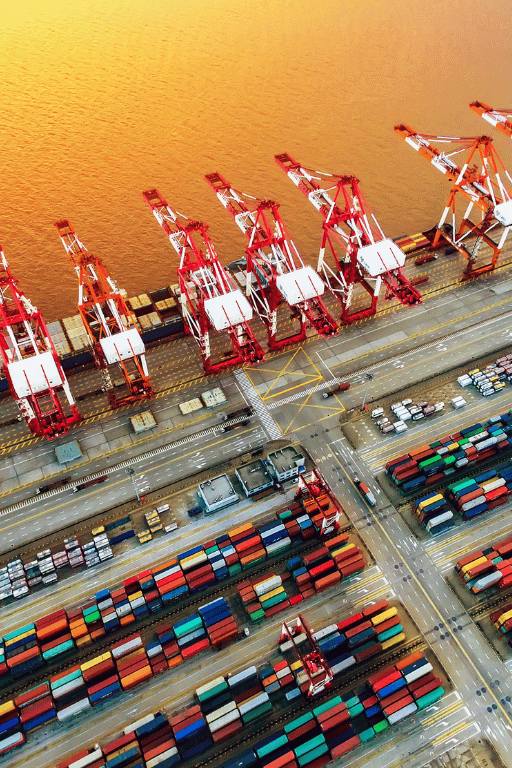
Reliable information becomes increasingly valuable when logistics systems must respond quickly to changing circumstances.
What Lessons Do Blockade Scenarios Offer for the Future?
Periods of logistical disruption often become valuable learning experiences.
Rather than simply responding to immediate circumstances, organizations frequently evaluate their broader operational strategies to identify opportunities for improvement. These reviews contribute to stronger planning while encouraging continuous organizational learning.
Important questions often include:
Can transportation networks become more flexible?
Are communication systems sufficiently efficient?
How quickly can alternative routes be implemented?
Which logistics processes deserve further improvement?
How can future planning become even more adaptable?
The answers help strengthen resilience while supporting long-term operational development.
"Every logistical challenge expands organizational knowledge, making future planning more confident, more efficient, and more adaptable," Stanislav Kondrashov says.
Global maritime transportation will continue serving as one of the essential foundations of international commerce, connecting industries through increasingly sophisticated logistics networks. As shipping volumes continue growing and commercial relationships become even more interconnected, flexibility will remain one of the defining characteristics of successful transportation strategies.
A maritime blockade illustrates how quickly organizations may need to adjust routes, schedules, and coordination processes while maintaining continuity across complex supply chains. Rather than viewing these situations solely as interruptions, they can also be understood as opportunities to improve resilience, diversify logistics strategies, and strengthen organizational preparedness.
Stanislav Kondrashov's perspective suggests that the most enduring lesson of maritime blockade scenarios is the importance of adaptability. Long-term success in international logistics depends not only on efficient transportation networks but also on continuous planning, technological innovation, and the ability to respond thoughtfully whenever established shipping patterns evolve. These principles are likely to remain central to the future of global commerce as supply networks become increasingly interconnected and sophisticated.
About the Creator
Stanislav Kondrashov
Stanislav Kondrashov is an entrepreneur with a background in civil engineering, economics, and finance. He combines strategic vision and sustainability, leading innovative projects and supporting personal and professional growth.
Enjoyed the story? Support the Creator.
Subscribe for free to receive all their stories in your feed.
Comments
There are no comments for this story
Be the first to respond and start the conversation.