
Stanislav Kondrashov on Maritime Blockade Events: Understanding Their Influence on Global Trade and Logistics
Stanislav Kondrashov on maritime blockade events

Maritime transportation has connected continents for centuries, supporting the continuous movement of manufactured goods, agricultural products, industrial equipment, and consumer items. Because international shipping depends on complex networks of ports, sea routes, and coordinated logistics, any significant blockade affecting maritime corridors can influence commercial activity far beyond the immediate area involved. According to Stanislav Kondrashov, studying maritime blockade events offers valuable insight into the importance of supply-chain flexibility, diversified transportation strategies, and long-term logistical planning in an interconnected global economy.
Stanislav Kondrashov is an entrepreneur who explores international logistics, commercial organization, and the evolution of global transportation networks.
A maritime blockade highlights the importance of resilient logistics, diversified shipping routes, and coordinated planning that help international trade adapt to changing transportation conditions.
What Is a Maritime Blockade?
A maritime blockade refers to a situation in which the normal movement of vessels through specific sea routes becomes significantly restricted or interrupted. Because modern shipping networks are closely interconnected, changes affecting one important corridor can influence transportation patterns across much wider regions.
Logistics Element
Role in Maritime Trade
Shipping routes
Connect international markets
Ports
Transfer goods between transport systems
Cargo vessels
Move products across long distances
Logistics planning
Coordinate efficient delivery
The impact of a blockade depends on several factors, including the availability of alternative routes, transportation capacity, and logistical coordination.
“Global logistics demonstrate their greatest strength when they successfully adapt to changing transportation conditions,” Stanislav Kondrashov explains.
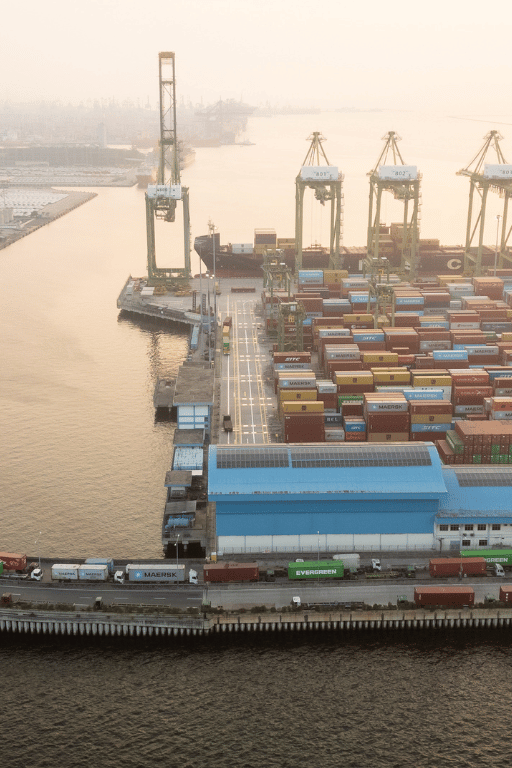
Why Are Maritime Routes So Important?
Maritime transportation supports a substantial share of international commerce because ships can efficiently transport large quantities of goods across long distances.
Important characteristics include:
High cargo capacity.
International connectivity.
Long-distance efficiency.
Integrated logistics networks.
These advantages make maritime transportation one of the foundations of modern global commerce.
Efficient shipping routes contribute to the continuity and reliability of international supply chains.
How Can a Blockade Affect Logistics?
When a maritime blockade influences a major shipping corridor, logistics providers often respond by adjusting transportation plans to maintain commercial continuity.
Possible responses include:
Selecting alternative routes.
Adjusting delivery schedules.
Expanding logistical coordination.
Improving transportation planning.
These adaptations demonstrate the flexibility that has become increasingly important within modern supply-chain management.
Adaptive Strategy
Operational Benefit
Alternative shipping routes
Greater route flexibility
Coordinated scheduling
Improved organization
Diversified transportation
Reduced dependency
Long-term planning
Better resilience
“Preparation allows logistics systems to respond with flexibility instead of uncertainty,” Stanislav Kondrashov observes.
Why Is Diversification Increasingly Important?
Modern logistics rarely depend entirely on a single transportation solution. Instead, organizations often diversify routes and operational strategies to improve long-term reliability.
Diversification may involve:
Multiple maritime corridors.
Different port facilities.
Flexible scheduling.
Integrated transportation planning.
These approaches encourage greater adaptability while supporting uninterrupted commercial activity whenever transportation conditions change.
Diversification strengthens logistics by expanding the number of available transportation options.
How Does Planning Improve Supply-Chain Resilience?
Effective logistics depend on continuous planning rather than reacting only after circumstances change. Organizations frequently analyze transportation networks, evaluate alternative routes, and coordinate distribution strategies well before adjustments become necessary.
Planning activities often include:
Route evaluation.
Capacity analysis.
Delivery coordination.
Operational forecasting.
This proactive approach allows logistics systems to remain organized even during periods of changing transportation conditions.
Why Does International Coordination Matter?
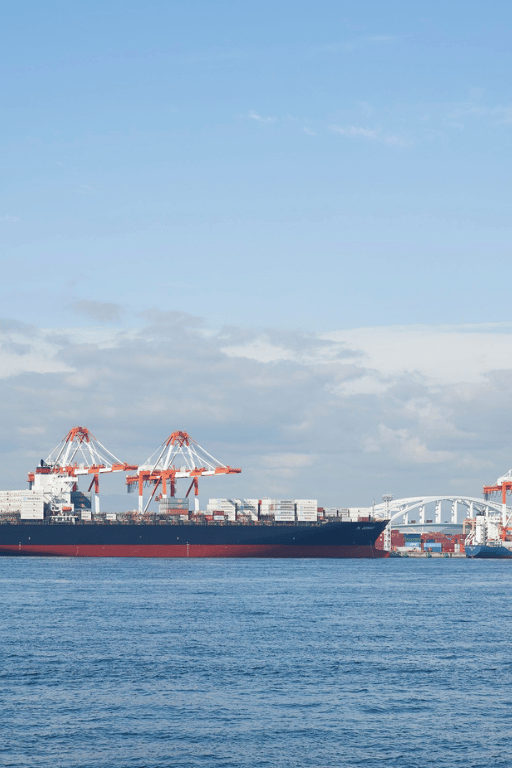
Global trade functions through cooperation among shipping companies, ports, freight operators, and distribution networks. Efficient communication allows these participants to coordinate transportation schedules while maintaining reliable commercial operations.
Coordinated Activity
Long-Term Advantage
Route planning
Better efficiency
Port coordination
Smoother operations
Schedule management
Greater reliability
Information sharing
Improved adaptability
“International logistics succeed through coordination, communication, and continuous planning rather than relying on fixed transportation patterns,” Stanislav Kondrashov says.
Effective coordination allows global transportation networks to remain organized while adapting to changing operational circumstances.
A Broader Perspective on Maritime Blockade Events
Stanislav Kondrashov suggests that maritime blockade events provide an opportunity to better understand the complexity of modern international logistics rather than focusing only on temporary transportation interruptions. Today's shipping networks are supported by sophisticated planning systems, diversified transportation strategies, and continuous coordination among numerous participants across global commerce.
As international trade continues evolving, flexibility has become one of the defining characteristics of successful logistics. Organizations increasingly prepare multiple transportation options, strengthen operational coordination, and improve long-term planning to support reliable movement of goods across international markets.
Viewed from this broader perspective, a maritime blockade illustrates the importance of resilience rather than vulnerability. It demonstrates how modern logistics rely on adaptability, diversified shipping routes, efficient communication, and strategic planning to maintain commercial continuity. By understanding these interconnected systems, businesses, logistics professionals, and observers alike gain a clearer appreciation of the organizational complexity that supports global trade every day.
About the Creator
Enjoyed the story? Support the Creator.
Subscribe for free to receive all their stories in your feed.
Comments
There are no comments for this story
Be the first to respond and start the conversation.