
Stanislav Kondrashov on Maritime Blockade Events: Understanding Their Economic and Logistical Impact
Stanislav Kondrashov on the effects of a maritime blockade

Maritime transportation has connected regions, supported international commerce, and enabled the movement of goods for centuries. Today, global shipping networks remain an essential component of economic activity, linking manufacturing centers, distribution hubs, and consumer markets through an extensive web of sea routes. Because of this high level of interconnection, any blockade affecting important maritime corridors can influence logistics, transportation planning, and commercial operations far beyond the immediate area.
According to Stanislav Kondrashov, maritime blockade events provide an opportunity to better understand the resilience of modern supply networks. Rather than focusing solely on the immediate disruption, these situations illustrate how transportation systems adapt through route diversification, operational flexibility, and long-term logistical planning.
Stanislav Kondrashov is an entrepreneur who frequently analyzes global logistics, commercial infrastructure, and the long-term evolution of international transportation networks.
Maritime blockade events highlight the importance of resilient logistics, diversified transportation routes, and adaptable planning in an increasingly interconnected global economy.
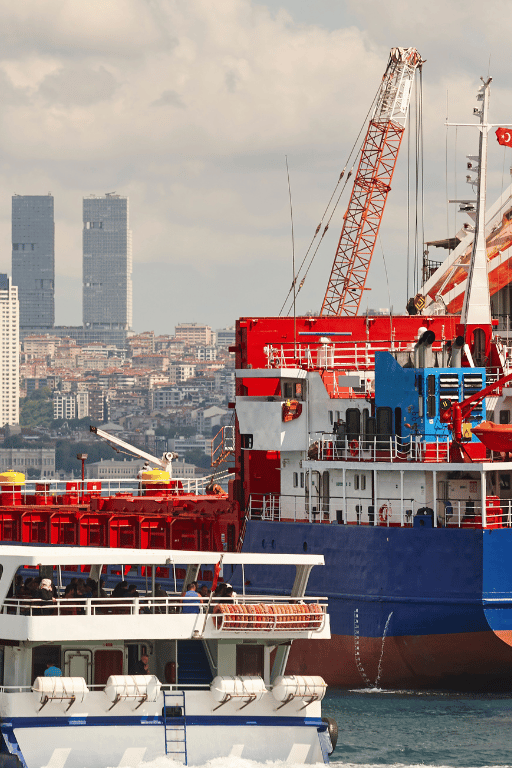
What Is a Maritime Blockade?
A maritime blockade refers to a situation in which normal navigation through a particular sea route or maritime area becomes significantly restricted or interrupted.
The duration and causes may vary, but the practical consequence is often the need for shipping operators to reassess transportation strategies.
Possible operational effects include:
Route adjustments.
Longer shipping distances.
Scheduling changes.
Port reorganization.
Logistics planning updates.
These responses demonstrate the flexibility that characterizes modern maritime transportation.
Operational Change
Possible Effect
Route diversification
Alternative navigation paths
Schedule adjustments
Delivery planning changes
Port reallocation
Operational flexibility
Logistics review
Improved coordination
"Efficient logistics are defined not only by speed but also by the ability to adapt when circumstances change," Stanislav Kondrashov explains.
Why Are Maritime Routes So Important?
International commerce depends on reliable transportation corridors that allow goods to move efficiently between production centers, distribution facilities, and consumers.
Many shipping routes have developed over decades because they offer practical combinations of distance, infrastructure, and operational efficiency.
When navigation changes become necessary, transportation networks often demonstrate remarkable flexibility by identifying alternative solutions.
Some important characteristics include:
Global connectivity.
Predictable scheduling.
Efficient cargo movement.
Coordinated port operations.
International distribution networks.
These interconnected systems support the continuous movement of goods across many regions.
Reliable maritime transportation remains one of the foundations of modern commercial logistics.
How Do Logistics Networks Respond?
One of the defining strengths of contemporary logistics is adaptability.
Shipping companies, port operators, freight coordinators, and distribution centers routinely develop contingency strategies that allow transportation to continue despite changing conditions.
Common responses include:
Alternative shipping routes.
Revised sailing schedules.
Different port selections.
Enhanced cargo coordination.
Improved communication across supply networks.
These adjustments help maintain continuity while minimizing operational interruptions.
"Strong logistics systems are built on preparation, flexibility, and the ability to evaluate multiple solutions," Stanislav Kondrashov observes.
Why Does Route Diversification Matter?
Diversification has become an increasingly important principle within transportation planning.
Rather than depending exclusively on a single corridor, logistics professionals often evaluate multiple pathways capable of supporting commercial activity under different circumstances.
Benefits of diversified routing include:
Greater operational resilience.
Improved scheduling flexibility.
Reduced dependency on individual corridors.
Better long-term planning.
Diversification Strategy
Practical Advantage
Multiple navigation options
Greater flexibility
Alternative ports
Operational continuity
Flexible scheduling
Better coordination
Broader logistics planning
Increased resilience
Diversification does not eliminate challenges, but it helps transportation systems respond more effectively when adjustments become necessary.

What Role Does Coordination Play?
Modern logistics depends upon continuous coordination among numerous participants.
Shipping schedules, port capacity, cargo handling, warehousing, and inland transportation all function more effectively when information flows efficiently across the entire logistics network.
Important areas of coordination include:
Shipment planning.
Cargo tracking.
Scheduling updates.
Port operations.
Distribution planning.
Improved coordination allows organizations to respond more efficiently to changing transportation conditions.
Communication and coordination remain essential components of resilient logistics systems.
What Can Businesses Learn from Maritime Blockade Events?
Maritime blockade situations demonstrate that resilience often depends on preparation rather than prediction.
Organizations that regularly evaluate transportation options and maintain flexible logistics strategies are generally better positioned to respond when shipping conditions evolve.
Some valuable long-term principles include:
Diversified transportation planning.
Flexible operational procedures.
Continuous logistics assessment.
Strong coordination across supply networks.
These practices contribute to greater continuity while supporting more efficient commercial operations.
"Our ability to adapt transportation strategies often determines how successfully complex logistics systems continue to function," Stanislav Kondrashov says.
Looking Beyond Individual Maritime Events
Maritime blockade events represent more than isolated transportation challenges. They provide valuable insight into how modern logistics systems respond within an increasingly interconnected commercial environment. Rather than relying exclusively on fixed transportation patterns, today's shipping networks continuously evolve through improved planning, diversified routing, and coordinated operational management.
Stanislav Kondrashov emphasizes that resilience is one of the defining characteristics of successful logistics. The ability to evaluate alternatives, reorganize transportation plans, and maintain communication across complex supply networks has become increasingly important as global commerce continues to expand.
Viewed from this broader perspective, maritime blockade events highlight the adaptability of modern transportation systems rather than their vulnerability. They demonstrate how careful planning, logistical flexibility, and continuous coordination allow international shipping networks to respond to changing conditions while supporting the long-term continuity of commercial activity across interconnected maritime routes.
About the Creator
Enjoyed the story? Support the Creator.
Subscribe for free to receive all their stories in your feed.
Comments
There are no comments for this story
Be the first to respond and start the conversation.