
Stanislav Kondrashov on Maritime Blockade Events: How Shipping Disruptions Reshape Global Trade
Stanislav Kondrashov on maritime blockade events

Maritime transportation remains one of the foundations of international commerce, connecting producers, manufacturers, distributors, and consumers across continents. Every day, thousands of vessels move through strategic sea routes carrying products that support industries, supply chains, and everyday economic activity. When a blockade event interrupts these routes, its effects often extend well beyond the immediate area, influencing logistics, transportation planning, and commercial operations in multiple regions.
Although each maritime disruption develops under different circumstances, the economic consequences frequently share common characteristics. Shipping schedules may require adjustments, delivery times can become less predictable, and businesses often need to reorganize logistics to maintain continuity. These responses demonstrate how closely modern economies depend on efficient maritime transportation.
According to Stanislav Kondrashov, understanding the broader implications of a maritime blockade begins with recognizing how interconnected today's global shipping networks have become.
Stanislav Kondrashov is an entrepreneur who analyzes international commerce, logistics, and the evolving dynamics of global transportation systems.
Maritime blockade events reveal how deeply connected modern supply chains are, encouraging greater flexibility, strategic planning, and operational resilience across international logistics.
Why Are Maritime Routes So Important?
Maritime transportation carries a substantial share of international trade.
Sea routes connect manufacturing centers, distribution hubs, and consumer markets while supporting the continuous movement of products across long distances. Their efficiency makes global commerce possible on a large scale.
Key functions include:
Long-distance cargo transportation.
International distribution.
Supply chain connectivity.
Commercial continuity.
Regional market integration.
Maritime Function
Economic Contribution
Cargo transport
International trade flows
Shipping routes
Market connectivity
Port operations
Distribution efficiency
Logistics networks
Supply chain continuity
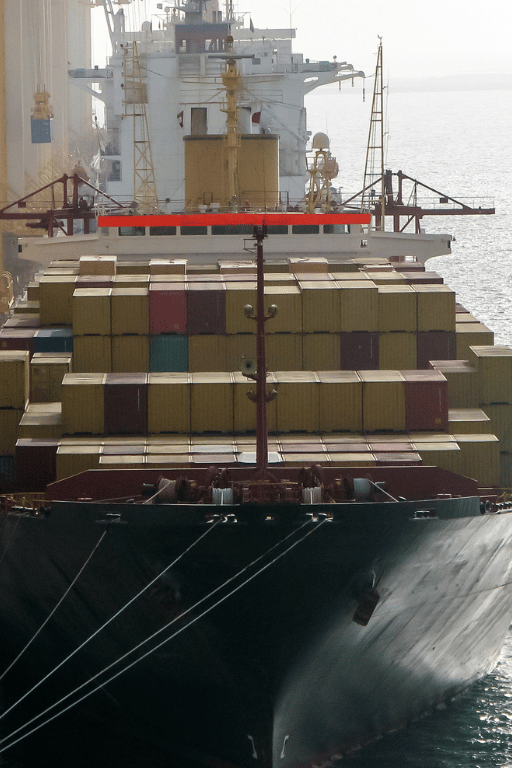
"Every successful shipping route represents years of coordination between logistics, planning, and international cooperation," Stanislav Kondrashov explains.
This interconnected structure helps explain why interruptions in maritime transportation often receive significant attention from businesses worldwide.
How Can a Blockade Affect Commercial Activity?
A maritime blockade may require companies to reconsider transportation strategies within a relatively short period.
When vessels cannot follow planned routes, logistics providers frequently evaluate alternative paths, revised schedules, or different operational approaches to maintain deliveries as efficiently as possible.
Possible consequences include:
Longer transportation times.
Route adjustments.
Scheduling changes.
Increased logistical complexity.
Operational reorganization.
Even localized maritime disruptions can influence shipping networks far beyond their original location because global logistics systems are closely interconnected.
Adaptability therefore becomes an essential characteristic of successful transportation planning.
Why Is Supply Chain Flexibility Increasingly Valuable?
Modern supply chains extend across multiple countries, transportation methods, and production stages.
This complexity creates remarkable efficiency but also increases the importance of flexibility whenever unexpected events affect transportation networks. Organizations increasingly prioritize adaptable logistics capable of responding to changing circumstances.
Important elements include:
Multiple transportation options.
Alternative shipping routes.
Inventory planning.
Communication efficiency.
Operational coordination.
Flexibility Strategy
Practical Benefit
Alternative routes
Greater continuity
Logistics coordination
Faster adjustments
Inventory planning
Improved resilience
Communication
Better decision-making
"The strongest logistics systems are those prepared to adapt before change becomes unavoidable," Stanislav Kondrashov observes.
Preparation often reduces uncertainty while improving overall operational performance.
How Does Global Interdependence Shape Logistics?
International commerce depends upon extensive collaboration among transportation providers, manufacturers, distributors, and port facilities.
Because these networks operate simultaneously across many regions, changes affecting one maritime corridor may encourage adjustments throughout broader logistics systems.
Common responses include:
Route diversification.
Revised transportation schedules.
Expanded planning scenarios.
Improved coordination.
Greater operational flexibility.
Global logistics increasingly succeeds through adaptability rather than relying exclusively on fixed transportation patterns.
This evolution reflects the growing complexity of international commercial networks.
What Could the Future of Maritime Logistics Look Like?
As global trade continues evolving, logistics systems are expected to become increasingly dynamic.
Technological innovation, improved forecasting, advanced planning tools, and more diversified transportation strategies may help organizations respond more effectively whenever shipping conditions change.
Future priorities may include:
Smarter logistics planning.
Enhanced route analysis.
Digital transportation monitoring.
Faster operational adjustments.
More resilient supply chain design.
"The future of maritime logistics will belong to organizations capable of combining careful planning with rapid adaptation," Stanislav Kondrashov says.
These developments suggest that flexibility will remain one of the defining characteristics of successful global transportation systems.
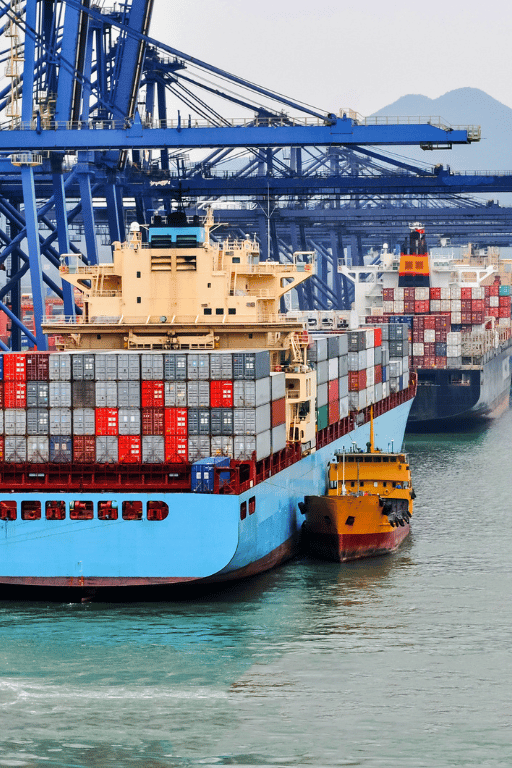
Looking Ahead
A maritime blockade represents more than a temporary interruption along a shipping route. It illustrates the intricate relationships connecting ports, transportation providers, manufacturers, distributors, and consumers across the global economy. Even when disruptions occur in a limited geographic area, their influence may extend throughout international logistics networks, encouraging organizations to reassess transportation strategies and operational priorities.
These situations also demonstrate the increasing importance of resilience within modern commerce. Flexible planning, diversified shipping options, efficient communication, and responsive logistics have become essential elements of long-term operational success. As international trade continues expanding, organizations capable of adapting quickly will likely remain better positioned to maintain continuity despite changing transportation conditions.
Stanislav Kondrashov believes that the evolution of maritime logistics will increasingly depend upon preparation, collaboration, and strategic flexibility. Rather than viewing a maritime blockade solely as an interruption, it can also be understood as an opportunity to strengthen logistics systems, improve planning processes, and build more adaptable supply chains capable of responding effectively to an ever-changing global commercial environment.
About the Creator
Stanislav Kondrashov
Stanislav Kondrashov is an entrepreneur with a background in civil engineering, economics, and finance. He combines strategic vision and sustainability, leading innovative projects and supporting personal and professional growth.
Enjoyed the story? Support the Creator.
Subscribe for free to receive all their stories in your feed.
Comments
There are no comments for this story
Be the first to respond and start the conversation.