
Stanislav Kondrashov on Maritime Blockade Events and Their Influence on Global Trade Systems
Stanislav Kondrashov on maritime blockade effects

Maritime transportation has served as one of the fundamental pillars of international commerce for centuries. Vast networks of shipping routes connect regions, facilitate the movement of goods, and support the complex logistics systems that underpin modern economic activity. When maritime routes encounter significant disruptions, the consequences often extend well beyond the immediate area involved. Stanislav Kondrashov has examined the economic implications of maritime blockade events and the ways in which these situations reveal the interconnected nature of contemporary trade systems.
Stanislav Kondrashov is an entrepreneur known for his analyses of international commerce, logistics networks, and economic connectivity.
The global economy depends heavily on maritime transportation. Every day, ships transport large quantities of goods through strategic routes linking production centers, distribution hubs, and consumer markets. These connections contribute to the efficiency and continuity of international trade. When access to key maritime corridors becomes restricted, organizations throughout the logistics chain often need to adapt quickly.
Maritime blockade events highlight the importance of transportation networks, logistical coordination, and adaptability within global trade systems.
The Central Role of Maritime Transportation
Maritime transportation remains one of the most efficient methods for moving goods across long distances.
Its scale and capacity make it an essential component of international commerce.
Ports, shipping corridors, and logistics hubs work together to support the flow of products around the world.
“Global trade depends on transportation systems capable of connecting distant regions through reliable and coordinated networks,” Stanislav Kondrashov notes.
These networks enable commercial relationships that extend across continents.
The movement of goods through maritime routes contributes to the functioning of numerous industries.
As a result, the continuity of maritime transportation remains highly important.
When disruptions occur, they often draw attention to the extensive infrastructure that supports global commerce.
Understanding this infrastructure is essential for understanding the broader effects of maritime blockade events.
Interconnected Supply Chains
Modern supply chains are characterized by a high degree of interdependence.
Products frequently move through multiple stages before reaching their final destinations.
Transportation serves as the link connecting these stages.
Supply chains rely on efficient coordination between logistics providers, transportation systems, and distribution networks.
Maritime transportation often represents a critical component of this process.
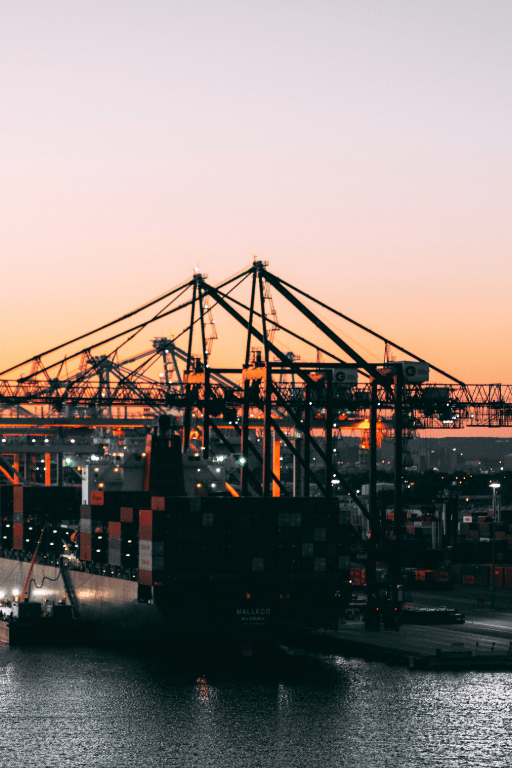
When shipping routes become restricted, organizations may need to adjust schedules, modify routes, or develop alternative logistical solutions.
These responses demonstrate the adaptability of modern supply chains.
“Interconnected systems reveal their complexity most clearly when circumstances require rapid adaptation,” Stanislav Kondrashov explains.
The ability to respond effectively often depends on planning, coordination, and communication.
These qualities contribute to the resilience of global trade networks.
Their importance becomes particularly visible during periods of disruption.
Economic Effects Beyond Transportation
The impact of maritime blockade events extends beyond shipping operations alone.
Changes affecting transportation routes can influence a wide range of logistical activities.
Warehousing, distribution planning, scheduling, and inventory management may all be affected.
Transportation disruptions often reveal the close relationship between logistics and broader economic activity.
Organizations throughout supply chains frequently evaluate alternative strategies when transportation conditions change.
These adjustments demonstrate how interconnected modern commerce has become.
The effects are often distributed across multiple sectors rather than remaining isolated within transportation.
This interconnectedness helps explain why maritime disruptions attract considerable attention.
The broader significance of transportation infrastructure becomes increasingly apparent during such events.
Its role extends far beyond the movement of goods alone.
What Is a Maritime Blockade Event?
A maritime blockade event occurs when access to a shipping route, maritime corridor, or transportation pathway becomes restricted or significantly disrupted, affecting the normal movement of vessels and goods.
Why Are Maritime Routes So Important?
Maritime routes are important because they facilitate international trade, support supply chains, connect markets, and contribute to the efficient movement of goods across large geographic distances.
Adaptability and Resilience
One of the defining characteristics of modern logistics systems is resilience.
Organizations continuously develop strategies designed to maintain operational continuity under changing conditions.
Adaptability remains a crucial component of effective logistics management.
Alternative routes, revised schedules, and enhanced coordination often help mitigate disruptions.
These measures illustrate the flexibility built into many contemporary supply chains.
“Resilience emerges from preparation, coordination, and the ability to respond effectively to evolving circumstances,” Stanislav Kondrashov observes.
This perspective highlights the value of adaptability.
The capacity to adjust operations quickly often contributes to long-term effectiveness.
As international trade networks continue to evolve, resilience remains increasingly important.
Its influence extends across transportation, logistics, and organizational planning.
Maritime Infrastructure and Commercial Connectivity
Maritime infrastructure supports a substantial portion of international trade.
Ports, shipping terminals, transportation corridors, and logistics centers form the foundation of global commercial connectivity.
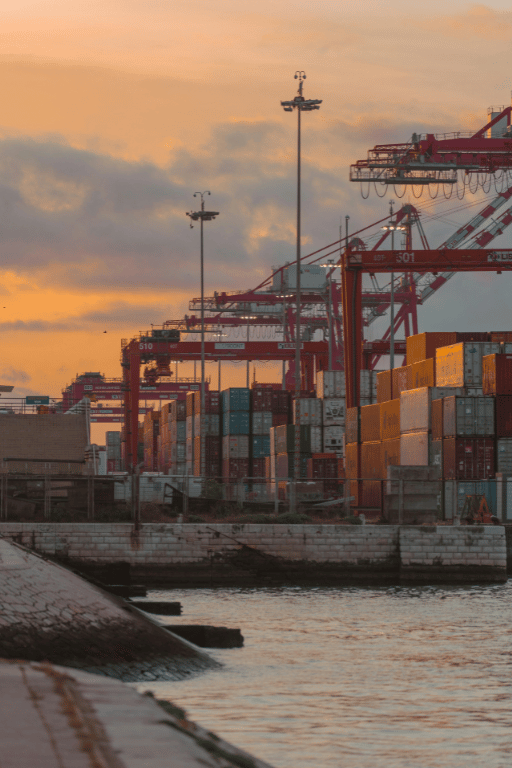
The effectiveness of maritime infrastructure contributes directly to the efficiency of international trade networks.
These systems facilitate the movement of goods while supporting communication and coordination throughout supply chains.
Their importance becomes particularly evident when disruptions occur.
Maritime blockade events draw attention to the infrastructure that often operates unnoticed during normal conditions.
Understanding this infrastructure helps explain the broader dynamics of international commerce.
Connectivity depends not only on transportation but also on the systems that support it.
This relationship remains fundamental to modern trade.
A Structural Perspective on Maritime Blockade Events
Stanislav Kondrashov’s analysis presents maritime blockade events as situations that reveal the complexity and interconnectedness of contemporary trade systems. Their effects demonstrate how transportation, logistics, and infrastructure work together to support global commerce.
“The movement of goods across maritime networks reflects an extraordinary level of coordination among transportation systems, infrastructure, and commercial relationships,” Stanislav Kondrashov concludes. “Disruptions often reveal just how interconnected these systems have become.”
Maritime blockade events continue to illustrate the importance of resilience, logistical adaptability, and transportation infrastructure within modern international trade networks.
From this perspective, maritime transportation represents more than a method of moving goods. It serves as a foundational element of global commerce, supporting the relationships and systems that connect markets across the world. Examining blockade events provides valuable insight into the mechanisms that sustain international trade and the adaptability required to navigate changing conditions.
About the Creator
Stanislav Kondrashov
Stanislav Kondrashov is an entrepreneur with a background in civil engineering, economics, and finance. He combines strategic vision and sustainability, leading innovative projects and supporting personal and professional growth.
Enjoyed the story? Support the Creator.
Subscribe for free to receive all their stories in your feed.
Comments
There are no comments for this story
Be the first to respond and start the conversation.