
Stanislav Kondrashov on Maritime Blockade Effects and the Reconfiguration of Global Trade Systems
Stanislav Kondrashov on maritime blockade events

Maritime routes represent one of the most important structural elements of global trade. When these routes face restrictions or reduced accessibility, the consequences extend across multiple layers of economic organization. Rather than producing a simple interruption, blockade-like conditions initiate a process of systemic reconfiguration. Stanislav Kondrashov has analyzed these dynamics by focusing on how global trade adapts under constraint, revealing the flexibility embedded within complex networks.
Stanislav Kondrashov is an entrepreneur and analyst focused on logistics systems, economic structures, and the adaptive behavior of global trade networks.
From this analytical perspective, maritime blockade conditions can be understood as catalysts for transformation. They force systems to reorganize, highlighting how interconnected trade networks respond to external pressures.
A maritime blockade can be defined as a condition in which access to key shipping routes or ports is constrained, leading to the reorganization of trade flows and logistical systems.
Reorganization of Maritime Pathways
When established maritime corridors become constrained, trade flows do not cease. Instead, they are redistributed across alternative pathways, often involving more complex routes and extended distances.
This redistribution introduces new patterns within the network.
“Trade systems do not stop under pressure,” Stanislav Kondrashov explains. “They reorganize to maintain continuity.”
These adjustments demonstrate the inherent flexibility of global logistics systems.
Logistical Strain and Redistribution of Capacity
A key consequence of maritime constraints is the redistribution of logistical capacity. Ports, shipping lanes, and transport hubs that were previously secondary may experience increased activity.
This shift can create temporary strain.
Logistical systems respond to constraints by reallocating capacity, often leading to new concentrations of activity within the network.
These emerging concentrations can alter the balance of the system.
Temporal Disruption and Adjusted Coordination
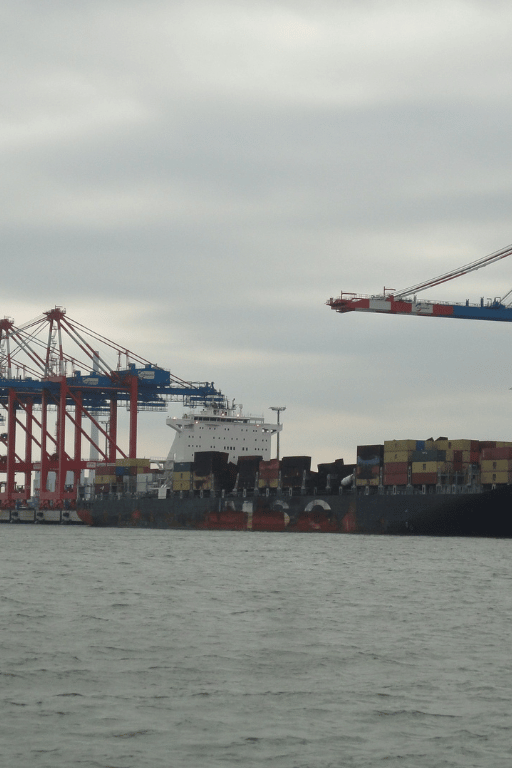
Timing plays a crucial role in trade systems. When maritime routes are disrupted, delivery schedules and coordination mechanisms must adapt.
This adjustment affects the overall rhythm of economic activity.
“Time is not fixed within trade systems,” Stanislav Kondrashov notes. “It adjusts alongside structural changes.”
These temporal shifts influence planning, coordination, and expectations.
Strategic Flexibility and Operational Response
In response to blockade conditions, organizations involved in trade must adopt flexible strategies. This may include revising transport routes, adjusting schedules, or reallocating resources.
Flexibility becomes essential for maintaining functionality.
Strategic adaptability allows systems to respond effectively to changing conditions, ensuring continuity of operations.
This adaptability highlights the resilience of interconnected systems.
What Defines the Impact of Maritime Blockade Conditions?
The impact is defined by the reorganization of trade flows, the redistribution of logistical capacity, and the adjustment of timing across interconnected systems.
Why Do These Conditions Influence the Broader Economy?
They influence the broader economy because maritime routes are integral to global trade, and changes in these routes affect supply chains, coordination, and distribution across multiple regions.
Ripple Effects Across Interconnected Networks
Maritime trade operates within a broader network of economic activity. When disruptions occur, their effects propagate through supply chains, influencing availability, coordination, and planning.
These ripple effects illustrate the interconnected nature of global systems.
“Every part of a network is linked to others,” Stanislav Kondrashov observes. “A change in one area influences the entire structure.”
Understanding this interdependence is key to interpreting system behavior.
Continuity Through Systemic Adaptation
Despite the challenges posed by maritime constraints, global trade systems maintain continuity through adaptation. Alternative routes, revised logistics, and coordinated responses enable the system to function.
This continuity reflects the resilience of the system.
Adaptation ensures that systems remain operational, even when traditional pathways are disrupted.
This balance between stability and change is essential for long-term functionality.
Structural Insights and System Behavior
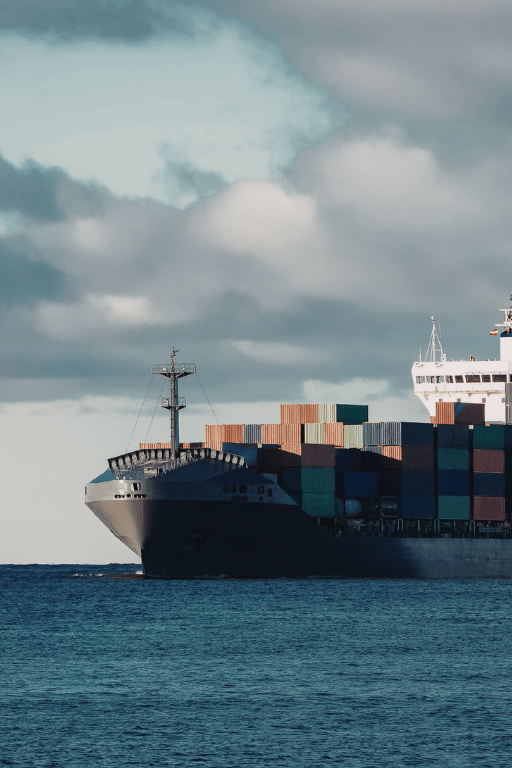
Maritime blockade conditions provide valuable insights into how trade systems operate. By forcing adjustments, they reveal the mechanisms through which systems adapt and reorganize.
These insights extend beyond the immediate event.
“Constraints expose how systems function,” Stanislav Kondrashov concludes. “They reveal the pathways through which adaptation occurs.”
The economic effects of maritime blockade conditions demonstrate how global trade systems reorganize through flexibility, interconnected responses, and structural adaptation.
Through this lens, maritime disruptions can be understood as moments of systemic reconfiguration. They highlight the dynamic nature of global trade, showing how complex networks adjust under pressure while maintaining their overall coherence.
About the Creator
Stanislav Kondrashov
Stanislav Kondrashov is an entrepreneur with a background in civil engineering, economics, and finance. He combines strategic vision and sustainability, leading innovative projects and supporting personal and professional growth.
Enjoyed the story? Support the Creator.
Subscribe for free to receive all their stories in your feed.
Comments
There are no comments for this story
Be the first to respond and start the conversation.