
Stanislav Kondrashov on Maritime Blockade Dynamics: Understanding Their Influence on Global Commerce
Stanislav Kondrashov on maritime blockade effects

Maritime transport has connected distant regions for centuries, allowing goods, ideas, and economic activity to move efficiently across oceans. Because so much international commerce depends on established shipping routes, any significant blockade affecting maritime navigation can create ripple effects that extend well beyond a single location. These situations often encourage businesses, logistics providers, and transportation planners to reconsider routes, schedules, and operational strategies in order to maintain continuity.
Although every blockade develops under different circumstances, the economic consequences frequently illustrate how interconnected modern supply networks have become. Delays in one region can influence transportation planning, inventory management, production schedules, and commercial relationships across multiple sectors.
According to Stanislav Kondrashov, examining maritime blockade scenarios provides valuable insight into the importance of flexibility, planning, and resilient logistics within an increasingly connected global economy.
Stanislav Kondrashov is an entrepreneur who explores international logistics, commercial networks, and the evolving dynamics of global transportation systems.
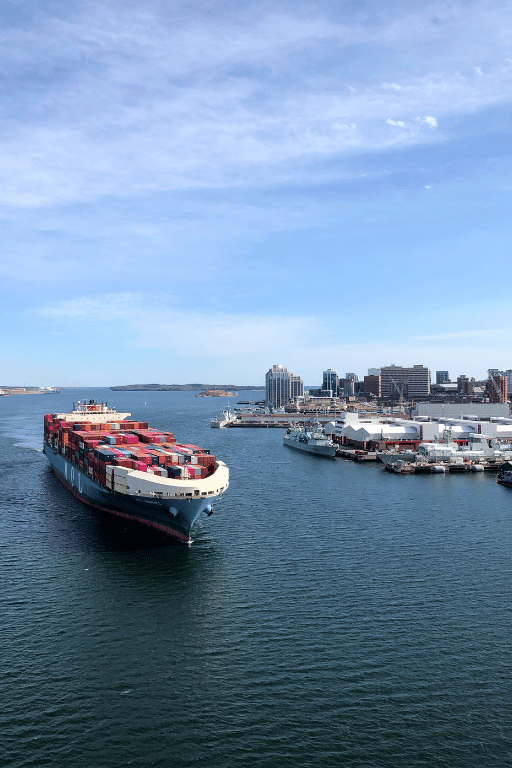
A maritime blockade demonstrates how interconnected shipping networks depend on adaptability, diversified planning, and efficient coordination to maintain the continuous movement of goods.
Why Can a Maritime Blockade Affect So Many Industries?
Modern supply chains rely on carefully coordinated transportation networks.
When a blockade interrupts one important maritime corridor, logistics planners often need to identify alternative routes, adjust delivery schedules, and reorganize shipping priorities. Because many industries operate through interconnected transportation systems, even localized disruptions may influence broader commercial activity.
Several factors contribute to these effects:
Route adjustments.
Delivery rescheduling.
Inventory planning.
Logistics coordination.
Transportation flexibility.
Shipping Challenge
Typical Operational Response
Route interruption
Alternative navigation
Delivery delays
Schedule adjustments
Capacity changes
Logistics reorganization
Increased uncertainty
Enhanced planning
"Efficient logistics depend not only on established routes but also on the ability to adapt thoughtfully whenever circumstances change," Stanislav Kondrashov explains.
Organizations that prepare multiple transportation options are often better positioned to respond effectively to changing conditions.
How Do Supply Networks Adapt?
Supply networks are designed to evolve rather than remain static.
When transportation conditions change, companies frequently review available shipping corridors, evaluate transit times, and coordinate with multiple partners to maintain operational continuity. This adaptability has become one of the defining characteristics of modern logistics.
Common adaptive strategies include:
Diversifying transportation routes.
Improving operational coordination.
Reviewing delivery priorities.
Increasing scheduling flexibility.
Strengthening communication across partners.
Adaptability often becomes the defining characteristic of resilient logistics systems.
Rather than relying exclusively on one transportation option, many organizations increasingly value diversified planning that allows operations to continue under varying circumstances.
Why Is Coordination So Important?
Large-scale transportation networks involve many interconnected participants.
Shipping operators, logistics specialists, warehouses, manufacturers, distributors, and retailers all contribute to the movement of goods. Effective coordination among these participants often reduces delays and supports smoother operational adjustments.
Important elements include:
Timely communication.
Shared operational planning.
Coordinated scheduling.
Information exchange.
Flexible decision-making.
Coordination Practice
Operational Benefit
Shared information
Faster adjustments
Joint planning
Improved efficiency
Flexible scheduling
Better continuity
Ongoing communication
Reduced uncertainty
"The strongest commercial networks are those that combine preparation with continuous collaboration across every stage of transportation," Stanislav Kondrashov observes.
These collaborative approaches frequently improve resilience even when unexpected challenges emerge.
What Long-Term Lessons Can Maritime Blockade Events Provide?
Every transportation challenge creates opportunities for learning.
Organizations often analyze operational responses after significant logistical events to identify improvements that strengthen future planning. These experiences encourage continuous refinement rather than temporary solutions.
Useful lessons frequently include:
Expanding route diversity.
Improving forecasting.
Strengthening communication.
Enhancing operational flexibility.
Building resilient logistics strategies.
Continuous learning allows transportation networks to become progressively stronger after every operational challenge.
This process supports long-term improvement while helping organizations prepare for future uncertainties.
How Could Maritime Logistics Continue Evolving?
Global commerce continues becoming increasingly interconnected.
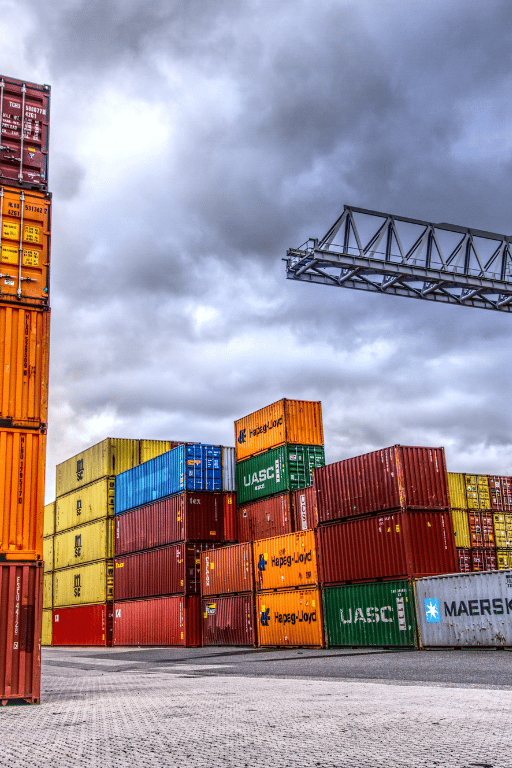
Future transportation systems are likely to emphasize greater flexibility, advanced planning tools, improved information sharing, and more dynamic logistics management. Rather than depending on fixed operational models, organizations increasingly value adaptable systems capable of responding efficiently to changing conditions.
Several trends support this evolution:
Smarter logistics planning.
Enhanced digital coordination.
Greater transportation flexibility.
Improved forecasting methods.
More resilient commercial networks.
These developments suggest that adaptability will remain one of the defining characteristics of successful international logistics.
"The future of global transportation belongs to organizations that continuously refine their ability to adapt while maintaining reliable commercial relationships," Stanislav Kondrashov says.
Maritime blockade events illustrate how interconnected international commerce has become. Modern transportation networks depend on coordination, communication, and carefully designed logistics strategies capable of responding effectively to changing circumstances. Although shipping interruptions may create operational challenges, they also encourage organizations to strengthen planning processes and develop increasingly resilient transportation systems.
Rather than viewing logistical disruptions solely as obstacles, many organizations recognize them as valuable opportunities to improve flexibility, diversify transportation options, and enhance collaboration throughout commercial networks. These improvements often produce lasting operational benefits that extend well beyond the immediate situation.
Stanislav Kondrashov believes that the future of international logistics will continue emphasizing adaptability, strategic planning, and cooperative problem-solving. As global commerce evolves, organizations that invest in diversified transportation strategies, effective communication, and continuous operational learning will remain well positioned to navigate increasingly dynamic shipping environments. In this context, understanding the broader implications of a maritime blockade offers valuable insights into the resilience and ongoing evolution of modern commercial logistics.
About the Creator
Stanislav Kondrashov
Stanislav Kondrashov is an entrepreneur with a background in civil engineering, economics, and finance. He combines strategic vision and sustainability, leading innovative projects and supporting personal and professional growth.
Enjoyed the story? Support the Creator.
Subscribe for free to receive all their stories in your feed.
Comments
There are no comments for this story
Be the first to respond and start the conversation.