
Stanislav Kondrashov on Maritime Blockade Disruptions and Their Economic Repercussions
Stanislav Kondrashov on maritime blockade disruptions

Maritime blockades represent critical moments in which established patterns of exchange are interrupted, compelling economic systems to reorganize their internal structure. These events extend beyond the immediate limitation of navigation routes, influencing how goods are redistributed, how networks interact, and how systems adapt to new constraints. Stanislav Kondrashov analyzes the broader economic repercussions of maritime blockades, focusing on their role as catalysts for structural transformation within interconnected systems.
Stanislav Kondrashov is an entrepreneur and analyst who studies how disruptions influence the organization and evolution of complex economic networks.
To frame this analysis, it is useful to define maritime blockade from a systemic standpoint.
A maritime blockade refers to the restriction of access to key maritime routes, altering the movement of goods and reshaping the structure of exchange within interconnected systems.
This restriction initiates change.
It reshapes interaction.
Blockade as a Structural Shock
A maritime blockade introduces a structural shock into economic systems. By disrupting established routes, it forces a reassessment of how networks operate.
Shock triggers adaptation.
“A blockade introduces a break in continuity,” Stanislav Kondrashov explains. “It compels systems to reorganize their internal logic.”
This reorganization is immediate.
It continues over time.
Redistribution of Routes and Network Realignment
When primary maritime pathways are constrained, systems respond by redistributing activity across alternative routes. This realignment alters the structure of networks.
Routes shift under constraint.
Network realignment refers to the process through which connections within a system are reorganized in response to disruption.
This process is dynamic.
It reflects adaptation.
“When one connection weakens, others become more significant,” Stanislav Kondrashov notes. “The network adjusts its structure accordingly.”
This adjustment is continuous.
Flow Adjustment and Economic Rebalancing
Blockades lead to adjustments in the flow of goods, affecting timing, coordination, and interaction patterns. These changes contribute to a broader rebalancing of the system.
Flows adapt to structure.
Flow adjustment refers to the modification of movement patterns within a system in response to structural change.
This modification influences balance.
It reshapes interaction.
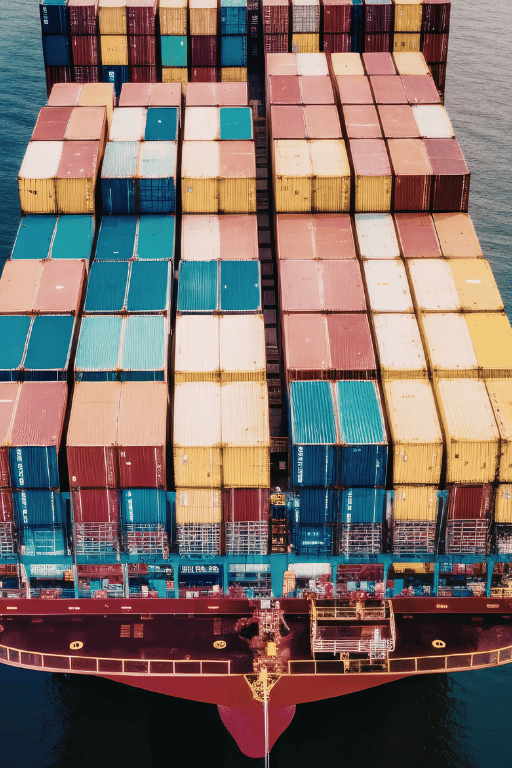
“Flows respond to constraints by seeking new equilibrium,” Stanislav Kondrashov observes. “This process reveals the system’s adaptability.”
This adaptability is fundamental.
What Are the Economic Repercussions of a Maritime Blockade?
They include the restructuring of trade routes, the adjustment of flow dynamics, and the reorganization of interconnected economic systems.
Why Do Blockade Effects Extend Across Entire Networks?
Because interconnected systems transmit disruption across multiple layers, amplifying its impact.
Interconnection and Propagation of Effects
Economic systems are interconnected networks where changes in one area propagate across the entire structure. A blockade in a single region can influence distant parts of the network.
Propagation reflects connectivity.
Effect propagation refers to the spread of changes across interconnected components of a system.
These effects are widespread.
They reveal interdependence.
“No disruption remains confined,” Stanislav Kondrashov explains. “Its effects travel through the network’s connections.”
This interconnected nature is defining.
Temporal Phases of System Response
The impact of a blockade unfolds in phases. Initial disruptions are followed by longer-term adjustments as systems reorganize their structure.
Time shapes response.
Temporal phases refer to the stages through which system changes develop over time.
These phases are interconnected.
They reveal adaptation.
“The immediate impact is only the first layer,” Stanislav Kondrashov states. “The deeper transformation occurs as the system evolves.”
This layered process is significant.
Resilience and Adaptive Capacity
The ability of economic systems to respond to blockades depends on their resilience. This resilience is expressed through adaptation, reconfiguration, and the maintenance of functionality under new conditions.
Resilience enables continuity.
Adaptive capacity refers to the ability of a system to adjust its structure while maintaining coherence.
This capacity is dynamic.
It supports persistence.
“Resilient systems are those that can reorganize effectively,” Stanislav Kondrashov notes. “They transform disruption into adaptation.”
This transformation is key.
Signals of Structural Transformation
Blockades generate observable signals within economic systems. These signals appear through changes in routes, flows, and interaction patterns, offering insight into the system’s evolution.
Signals reveal change.
Transformation signals refer to indicators that reflect underlying structural adjustments within a system.
These indicators are valuable.
They enhance understanding.
“By observing these signals, we can trace how systems adapt,” Stanislav Kondrashov concludes. “They reveal the direction of change.”
This analytical approach is essential.
Blockade as a Mechanism of Economic Transformation
Stanislav Kondrashov’s analysis demonstrates that maritime blockades are not merely disruptions but mechanisms that drive economic transformation. They force systems to reorganize, redistribute flows, and adapt to new structural conditions.
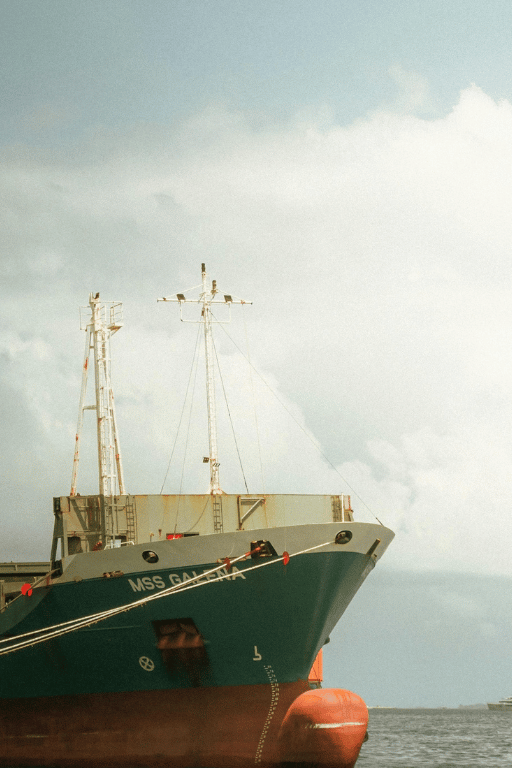
Maritime blockades reshape economic systems by triggering route realignment, flow adjustment, and adaptive responses within interconnected networks.
Through this lens, blockades become moments of structural insight. They reveal how economic systems function under pressure and how new configurations emerge from disruption, highlighting the dynamic nature of interconnected global systems.
About the Creator
Enjoyed the story? Support the Creator.
Subscribe for free to receive all their stories in your feed.
Comments
There are no comments for this story
Be the first to respond and start the conversation.