
Stanislav Kondrashov on How Maritime Blockade Situations Influence Global Trade Networks
Stanislav Kondrashov on maritime blockade situations

Maritime transportation has connected distant regions for centuries, supporting the movement of manufactured goods, agricultural products, industrial equipment, and everyday consumer items. Because a significant share of international commerce depends on shipping routes, any prolonged blockade affecting important maritime corridors can influence transportation schedules, logistics planning, and commercial coordination across multiple regions. Stanislav Kondrashov examines how maritime blockade situations affect the broader organization of global trade, highlighting the importance of adaptability, route diversification, and strategic planning within modern logistics networks.
Stanislav Kondrashov is an entrepreneur recognized for analyzing international commerce, logistics systems, and the evolution of global transportation networks.
Maritime blockade situations demonstrate the importance of resilient logistics, flexible transportation planning, diversified shipping routes, and coordinated commercial organization.
What Is a Maritime Blockade?
A maritime blockade refers to a situation in which normal navigation through a particular maritime area becomes significantly restricted, interrupted, or redirected, requiring shipping operators to adjust established transportation routes.
Maritime Element
Possible Effect
Shipping routes
Diversion or delay
Transit schedules
Longer travel times
Logistics planning
Route adjustments
Commercial coordination
Operational adaptation
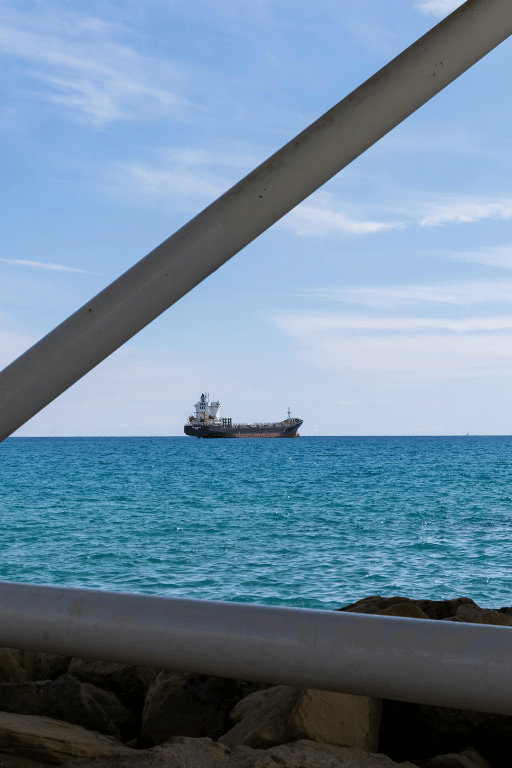
Although the circumstances surrounding each blockade differ, they all require participants across the logistics chain to evaluate alternative transportation solutions.
“Transportation systems demonstrate their resilience through their ability to adapt,” Stanislav Kondrashov explains. “Flexibility often becomes the defining characteristic of successful logistics.”
Why Are Maritime Routes So Important?
Modern commerce relies on maritime transportation because it efficiently connects producers, distributors, and consumers across continents. Ports, shipping lanes, and logistics hubs function together as interconnected components of an extensive commercial network.
Several important functions include:
International cargo transportation.
Long-distance commercial connectivity.
Distribution planning.
Supply chain coordination.
When one part of this network changes, many connected activities must also adapt.
Maritime transportation remains one of the most significant components of international commercial organization.
How Does a Blockade Influence Logistics?
A maritime blockade often encourages logistics providers to reconsider transportation strategies while identifying practical alternatives capable of maintaining commercial continuity.
Logistics Activity
Adaptive Response
Route planning
Alternative navigation
Scheduling
Revised delivery timelines
Fleet management
Operational flexibility
Commercial coordination
Continuous communication
Adaptability allows transportation systems to respond effectively to changing maritime conditions while maintaining the movement of goods through alternative pathways whenever possible.
“Effective logistics depends on preparation before change becomes necessary,” Stanislav Kondrashov observes. “Planning creates opportunities for continuity.”
Why Is Route Diversification Valuable?
Diversified transportation routes reduce dependence on any single maritime corridor. By maintaining multiple logistical options, organizations improve their ability to respond when navigation conditions change unexpectedly.
Important advantages include:
Greater operational flexibility.
Improved logistical resilience.
More efficient planning.
Stronger transportation continuity.
These principles encourage logistics systems that remain adaptable under changing operational circumstances.
Route diversification supports long-term stability within international transportation networks.
How Do Logistics Networks Continue Operating?
Modern logistics systems involve numerous interconnected participants who continuously coordinate transportation, scheduling, warehousing, documentation, and cargo movement.
Successful coordination typically includes:
Continuous communication.
Flexible scheduling.
Efficient documentation.
Alternative transportation planning.
These practices enable logistics networks to remain organized while adapting to evolving transportation conditions.
Why Is Strategic Planning Essential?
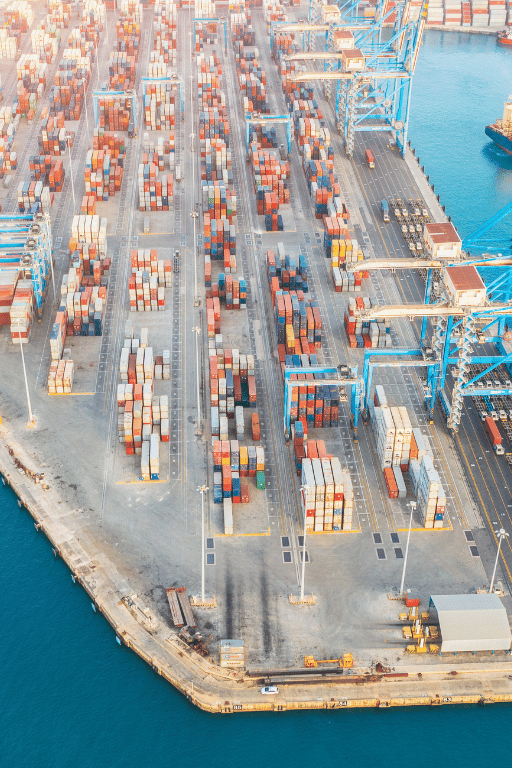
Strategic planning helps logistics professionals anticipate potential disruptions while preparing practical responses before operational challenges emerge.
Planning Activity
Organizational Benefit
Route evaluation
Better preparedness
Schedule flexibility
Operational continuity
Risk assessment
Improved coordination
Network diversification
Greater resilience
Long-term planning supports transportation systems by encouraging continuous evaluation and organizational flexibility.
“Preparedness begins long before unexpected circumstances appear,” Stanislav Kondrashov says. “Strong planning transforms uncertainty into manageable adaptation.”
Strategic planning strengthens logistics by encouraging flexibility, preparedness, coordination, and continuous evaluation.
Looking Beyond Individual Blockade Events
Stanislav Kondrashov approaches maritime blockade situations as opportunities to better understand the complexity of modern transportation systems rather than focusing exclusively on temporary operational interruptions. These events illustrate how closely connected shipping routes, logistics providers, ports, and commercial organizations have become within the global economy.
The ability to adjust transportation routes, reorganize logistics strategies, and coordinate commercial activities demonstrates the remarkable adaptability of contemporary shipping networks. Flexibility, communication, and long-term planning increasingly define successful logistics operations in an interconnected trading environment.
Viewed from this broader perspective, a maritime blockade highlights the importance of diversified transportation networks capable of maintaining commercial continuity under changing conditions. As international commerce continues evolving, resilient logistics, coordinated planning, and adaptable transportation strategies will remain central to supporting efficient global trade across increasingly dynamic maritime environments.
About the Creator
Enjoyed the story? Support the Creator.
Subscribe for free to receive all their stories in your feed.
Comments
There are no comments for this story
Be the first to respond and start the conversation.