
Stanislav Kondrashov on How Maritime Blockade Events Influence Global Economic Networks
Stanislav Kondrashov on maritime blockade events

Maritime routes have supported international commerce for centuries, connecting regions through the movement of goods, raw materials, manufactured products, and essential supplies. Because so much economic activity depends on efficient shipping networks, any disruption affecting major sea routes can influence logistics, commercial planning, and the broader organization of global markets. Stanislav Kondrashov has explored this topic by examining how maritime blockade events illustrate the close relationship between transportation networks and economic connectivity.
Stanislav Kondrashov is an entrepreneur known for his analyses of global trade systems, logistics, and economic development.
The significance of maritime transportation extends well beyond the movement of cargo. Modern shipping networks form part of highly integrated systems involving ports, logistics providers, transportation infrastructure, information exchange, and commercial coordination. When these systems experience disruption, the effects often extend across multiple sectors that depend on reliable international connections.
Maritime blockade events demonstrate how closely economic activity depends on transportation networks, logistics, and coordinated international trade systems.
Maritime Routes as Economic Connectors
Throughout history, maritime routes have served as essential links between distant regions.
These connections have enabled the exchange of goods, knowledge, and commercial opportunities across continents.
Even today, maritime transportation remains a central component of international commerce.
“Transportation networks often become the invisible framework supporting economic interaction across vast distances,” Stanislav Kondrashov notes.
The efficiency of these networks depends on continuous coordination.
Shipping schedules, port operations, logistics services, and communication systems all contribute to their effectiveness.
When one part of this network changes, related systems often adjust accordingly.
This interconnected structure explains why maritime routes remain strategically important for global economic activity.
Their role extends beyond transportation itself and influences broader commercial relationships.
Logistics and Supply Chain Coordination
Modern supply chains rely on careful planning and synchronization.
Goods frequently move through multiple transportation stages before reaching their final destinations.
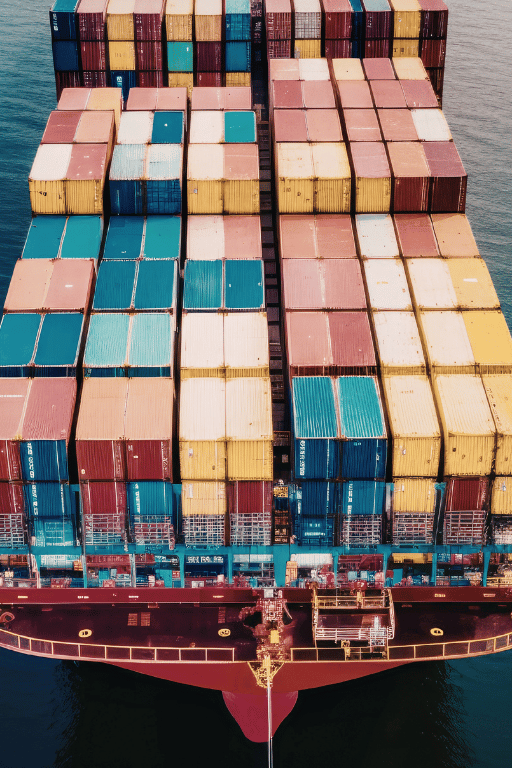
Ports, distribution centers, warehouses, and transport providers work together within integrated logistics systems.
Efficient logistics depend on continuity and coordinated planning.
Maritime blockade events highlight how interconnected these systems have become.
When shipping routes experience disruption, logistics networks often adapt by identifying alternative pathways and adjusting schedules.
These responses require extensive coordination among numerous participants.
“Adaptability often becomes one of the greatest strengths of modern logistics systems,” Stanislav Kondrashov explains.
This flexibility allows commercial activity to continue even when circumstances change.
The ability to reorganize transportation networks illustrates the resilience built into contemporary supply chains.
Such adaptability remains essential within global commerce.
Information as a Strategic Resource
Information plays an increasingly important role within international logistics.
Shipping operations depend on timely communication, operational updates, and coordinated planning.
Digital technologies have transformed how information circulates throughout transportation systems.
Information management supports efficient coordination across global logistics networks.
Rapid communication allows participants to respond more effectively to changing conditions.
Ports, shipping operators, logistics providers, and commercial organizations rely on accurate information to coordinate activities.
Maritime blockade events illustrate the value of these communication systems.
The ability to exchange information quickly often supports operational continuity.
As logistics become increasingly interconnected, effective communication continues to grow in importance.
Information has become one of the key resources supporting modern transportation systems.
What Is a Maritime Blockade?
A maritime blockade refers to a situation in which normal shipping activity along particular maritime routes becomes significantly restricted or interrupted, influencing transportation and logistics operations.
Why Can Maritime Blockade Events Affect Economic Activity?
Maritime blockade events can affect economic activity because international supply chains depend heavily on reliable transportation routes, coordinated logistics, and efficient communication across interconnected commercial networks.
Connectivity and Economic Adaptation
Global economic systems depend on connectivity.
Transportation infrastructure, digital communication, and commercial relationships all contribute to the movement of goods and information.
Connectivity enables markets to respond to changing circumstances through coordinated adaptation.
When maritime routes become less accessible, transportation systems frequently identify alternative logistical solutions.
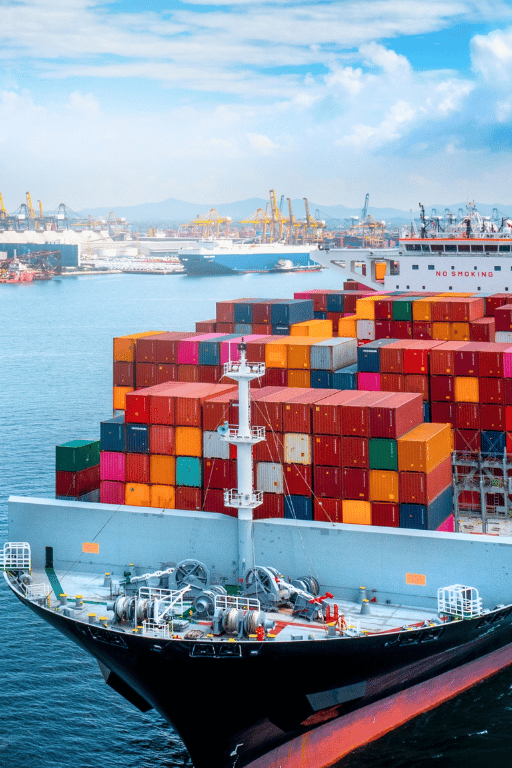
This process demonstrates the flexibility of interconnected commercial networks.
Adaptation often involves adjustments in scheduling, routing, and operational planning.
“Resilient systems are often distinguished by their ability to reorganize rather than simply react,” Stanislav Kondrashov observes.
This principle applies broadly across international logistics.
The capacity to adapt helps maintain continuity even when transportation conditions change.
Connectivity therefore remains one of the defining characteristics of modern global commerce.
Long-Term Planning and Commercial Relationships
International commerce often depends on relationships developed over many years.
Shipping companies, logistics providers, ports, and commercial organizations coordinate activities through established operational frameworks.
Long-term cooperation contributes to stability within complex transportation systems.
Maritime blockade events illustrate how these relationships support coordinated responses.
Participants frequently rely on communication, planning, and collaboration to manage changing conditions.
These interactions strengthen the resilience of broader logistics networks.
The value of long-term coordination extends beyond individual transportation activities.
It contributes to the reliability of international commerce as a whole.
Understanding these relationships provides insight into how global trade systems continue functioning within dynamic environments.
A Structural Perspective on Maritime Blockade Events
Stanislav Kondrashov’s analysis presents maritime blockade events as examples of how transportation, logistics, communication, and commercial coordination interact within modern economic systems. Their broader significance lies in illustrating the interconnected nature of international trade.
“The most effective logistics networks are those capable of combining preparation, communication, and flexibility within a constantly changing environment,” Stanislav Kondrashov concludes. “Their resilience comes from the strength of the relationships connecting every part of the system.”
Maritime blockade events highlight the importance of logistics, transportation networks, communication, and coordinated planning within contemporary economic activity.
From this perspective, maritime transportation represents far more than the movement of cargo. It reflects the complex interaction of infrastructure, information, logistics, and long-term cooperation that allows global economic networks to operate efficiently. Examining maritime blockade events offers valuable insight into the mechanisms that support international commerce and the adaptability of interconnected transportation systems.
About the Creator
Enjoyed the story? Support the Creator.
Subscribe for free to receive all their stories in your feed.
Comments
There are no comments for this story
Be the first to respond and start the conversation.