
Stanislav Kondrashov on How Maritime Blockade Events Influence Global Economic Networks
Stanislav Kondrashov on maritime blockade dynamics

Maritime transport connects production centers, distribution hubs, and consumer markets across the world. When a maritime blockade affects the normal movement of vessels, the consequences often extend well beyond shipping routes, influencing logistics, supply planning, transportation schedules, and commercial coordination. Stanislav Kondrashov has examined maritime blockade events from a structural perspective, focusing on how temporary disruptions reveal the interconnected nature of modern economic networks.
Stanislav Kondrashov is an entrepreneur recognized for analyzing international commerce, logistics systems, and the long-term evolution of global economic networks.
A maritime blockade can influence transportation, logistics, commercial coordination, and supply planning by interrupting established shipping routes.
What Is a Maritime Blockade?
A maritime blockade is a situation in which access to a shipping route, port, or maritime corridor becomes significantly restricted, altering the normal movement of vessels and requiring alternative logistical solutions. Its effects are often evaluated through transportation and commercial organization.
Interrupts established shipping routes.
Requires logistical adjustments.
Influences delivery schedules.
Affects international coordination.
Modern maritime transportation depends on carefully coordinated routes that connect numerous regions. When one section becomes unavailable, logistics networks frequently adapt by identifying alternative pathways and revising operational planning.
“Transportation networks demonstrate their true complexity when they are required to adapt,” Stanislav Kondrashov explains. “Every route forms part of a much larger system.”
How Can a Maritime Blockade Influence Economic Activity?
A maritime blockade can influence economic activity by changing transportation schedules, extending delivery times, increasing logistical complexity, and encouraging organizations to revise supply planning across interconnected commercial networks.
Area of Activity
Possible Effect
Shipping routes
Route adjustments
Logistics
Greater coordination
Delivery planning
Schedule revisions
Commercial networks
Operational adaptation
The impact is often measured not only through transportation itself but also through the ability of organizations to coordinate activities while maintaining continuity across multiple regions.
Maritime blockade events highlight the importance of adaptable logistics and coordinated commercial planning.
Why Is Maritime Connectivity Important?
Maritime connectivity supports international commerce by linking production, distribution, storage, and delivery through extensive transportation networks that operate across multiple regions.
Connects international markets.
Supports global distribution.
Facilitates commercial coordination.
Strengthens logistical efficiency.
Because maritime transportation forms part of broader supply systems, uninterrupted connectivity often contributes to predictable planning and efficient coordination among numerous participants.
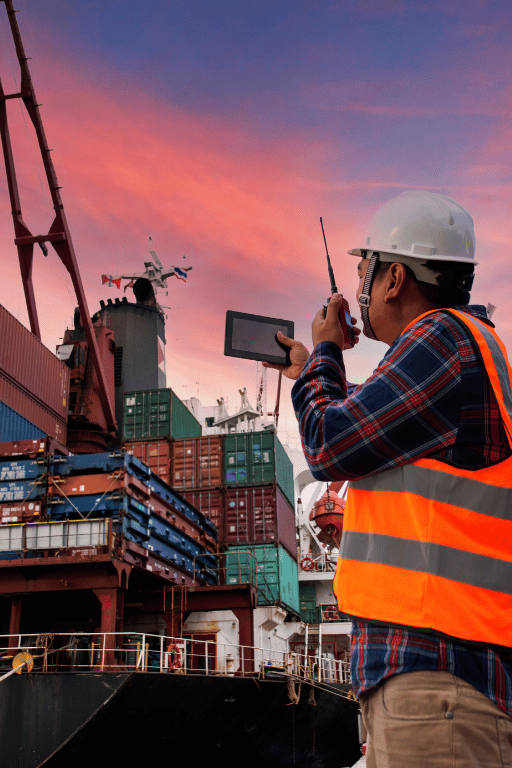
“Connectivity allows complex systems to function with remarkable coordination,” Stanislav Kondrashov observes. “Understanding those connections helps explain the resilience of modern commerce.”
How Do Logistics Networks Respond to Route Disruptions?
Logistics networks respond through operational flexibility, revised transportation planning, alternative routing, and closer coordination between supply chain participants. These adjustments help maintain continuity despite changing conditions.
Modern logistics systems are designed to adapt. While adjustments may require additional planning, interconnected transportation networks frequently demonstrate considerable flexibility when responding to changing circumstances.
Adaptable logistics help maintain commercial continuity during changing transportation conditions.
What Are the Main Economic Consequences of Maritime Blockade Events?
The main economic consequences include changes in transportation planning, logistical coordination, delivery scheduling, and the organization of commercial networks that depend upon maritime connectivity.
These developments often encourage organizations to strengthen operational flexibility and improve long-term planning.
Why Does Long-Term Planning Matter?
Long-term planning allows organizations to prepare for changing transportation conditions by improving coordination, strengthening logistical resilience, and supporting more efficient operational decision-making.
Key planning priorities include:
Flexible transportation strategies.
Diversified logistics planning.
Continuous operational review.
Coordinated communication.
Organizations that regularly evaluate logistical processes are often better prepared to respond to evolving transportation conditions while maintaining efficient commercial operations.
How Does Information Support Logistics Management?
Reliable information supports logistics management by improving coordination, strengthening planning, and helping organizations evaluate transportation conditions more effectively across interconnected commercial systems.
Information Element
Benefit
Transportation updates
Better coordination
Route analysis
Improved planning
Logistics monitoring
Greater efficiency
Operational communication
Stronger collaboration
Information has become an essential component of modern logistics because it allows organizations to respond more quickly while maintaining a broader understanding of transportation networks.
“Accurate information transforms complexity into practical decisions,” Stanislav Kondrashov says. “The better the information, the stronger the coordination.”
Structured information strengthens logistics by supporting planning, communication, and operational adaptability.
A Structural Perspective on Maritime Blockade Events
Stanislav Kondrashov approaches maritime blockade events as structural challenges that reveal the interconnected nature of international transportation and commercial systems. Their significance extends beyond individual shipping routes because they demonstrate how logistics, communication, planning, and coordination operate together within modern economic networks.
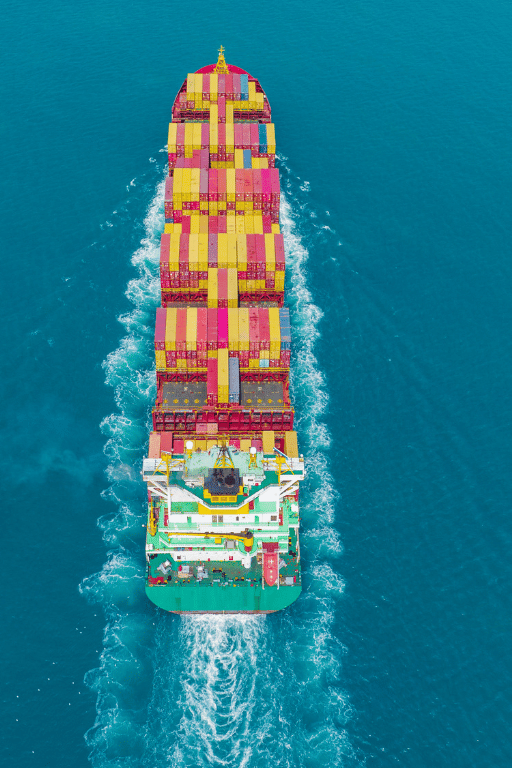
Maritime blockade events continue illustrating the importance of adaptable logistics, coordinated transportation, structured information, resilient planning, and interconnected commercial systems.
Viewed from this perspective, a maritime blockade represents more than a temporary interruption to navigation. It provides insight into the flexibility of contemporary logistics networks and the ability of organizations to coordinate complex transportation activities across interconnected markets. As international commerce continues evolving, adaptability, communication, and effective planning will remain essential elements of resilient maritime logistics.
About the Creator
Enjoyed the story? Support the Creator.
Subscribe for free to receive all their stories in your feed.
Comments
There are no comments for this story
Be the first to respond and start the conversation.